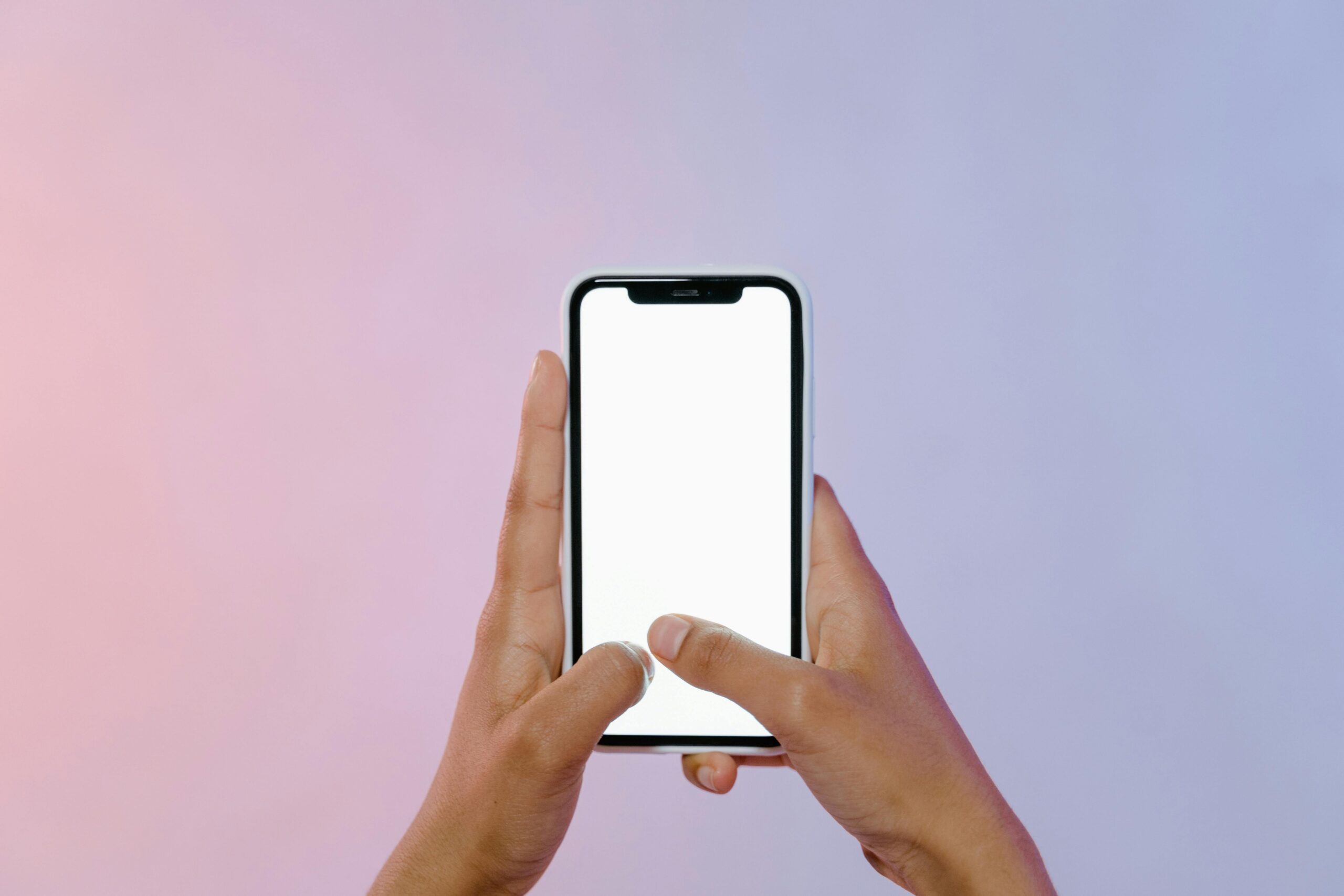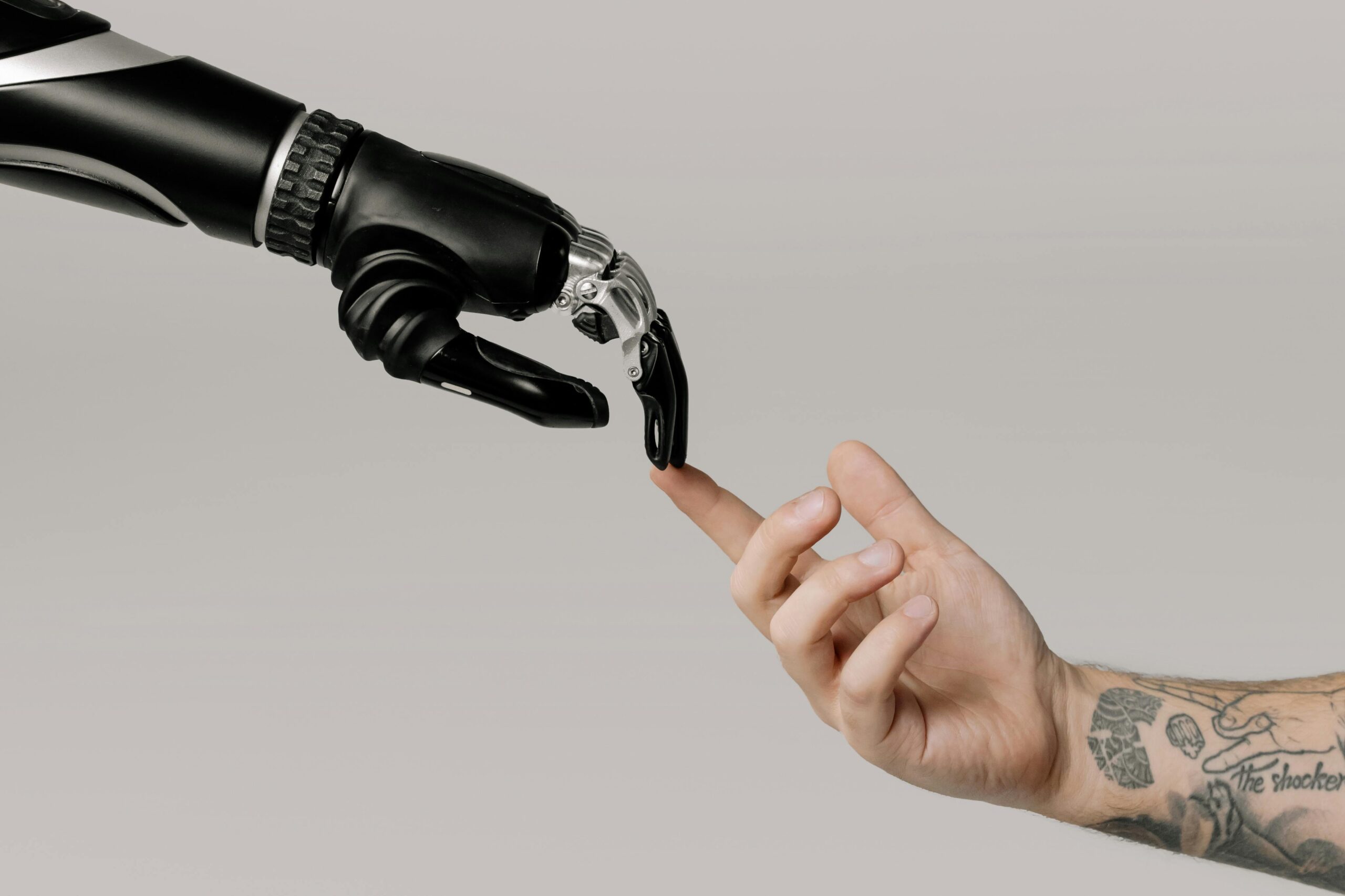
Neural input devices are transforming how humans interact with machines, ushering in an era where thoughts can directly control digital environments without surgery or implants.

🧠 The Dawn of Non-Invasive Brain-Computer Interfaces
The relationship between human minds and machines has evolved dramatically over the past decade. What once seemed like science fiction—controlling computers with our thoughts—is rapidly becoming reality. Non-invasive neural input devices represent a technological breakthrough that doesn’t require surgical intervention, making brain-computer interfaces (BCIs) accessible to mainstream users rather than limiting them to medical applications or research laboratories.
These revolutionary devices use advanced sensors to detect and interpret neural signals from outside the skull. Unlike invasive BCIs that require electrodes to be implanted directly into brain tissue, non-invasive alternatives rely on technologies like electroencephalography (EEG), functional near-infrared spectroscopy (fNIRS), and magnetoencephalography (MEG) to capture brain activity safely and painlessly.
The implications are staggering. From enabling paralyzed individuals to communicate and control wheelchairs to allowing gamers to navigate virtual worlds with their minds, these devices are breaking barriers that have existed since the dawn of computing. The technology promises to redefine accessibility, productivity, entertainment, and even how we understand consciousness itself.
⚡ How Non-Invasive Neural Technology Actually Works
Understanding the mechanics behind non-invasive neural input devices helps demystify this seemingly magical technology. At its core, the human brain operates through electrical and chemical signals between billions of neurons. When we think, move, or experience emotions, these neural networks create measurable patterns of electrical activity.
Non-invasive BCIs capture these patterns through various methods:
- Electroencephalography (EEG): The most common approach, using electrodes placed on the scalp to detect electrical signals produced by neural activity
- Functional Near-Infrared Spectroscopy (fNIRS): Measures blood oxygenation changes in the brain using light wavelengths
- Magnetoencephalography (MEG): Detects magnetic fields generated by neural currents, offering excellent temporal resolution
- Functional Magnetic Resonance Imaging (fMRI): Tracks blood flow changes to identify active brain regions, though less practical for consumer devices
Once captured, sophisticated machine learning algorithms process these raw signals, filtering out noise and identifying meaningful patterns. The system learns to associate specific neural signatures with intended actions or commands. For instance, imagining moving your right hand creates a distinct pattern that the device can recognize and translate into a cursor movement or command execution.
The Signal Processing Challenge
The biggest technical hurdle remains signal quality. The human skull significantly attenuates neural signals, and external electrical noise from the environment can interfere with readings. Modern devices employ advanced signal processing techniques, including independent component analysis (ICA) and adaptive filtering, to isolate genuine brain signals from background noise.
Additionally, machine learning models must account for individual variations in brain anatomy and neural patterns. What works for one person may not work identically for another, requiring calibration periods where the system learns each user’s unique neural signatures.
🎮 Current Applications Transforming Industries
Non-invasive neural input devices are already making waves across multiple sectors, with applications ranging from medical rehabilitation to entertainment and productivity enhancement.
Medical and Therapeutic Applications
Healthcare has been the primary beneficiary of BCI technology. Patients with conditions like amyotrophic lateral sclerosis (ALS), spinal cord injuries, or locked-in syndrome can use neural input devices to communicate when traditional methods fail. These systems allow users to select letters on virtual keyboards, operate robotic limbs, or control wheelchairs using only their thoughts.
Neurofeedback therapy represents another promising application. Patients with ADHD, anxiety, or PTSD can learn to regulate their brain activity patterns by receiving real-time feedback from neural monitoring devices. This approach has shown remarkable results in clinical trials, offering drug-free alternatives for managing various neurological and psychological conditions.
Gaming and Virtual Reality
The gaming industry is embracing neural input technology to create more immersive experiences. Several companies have released consumer-grade headsets that allow players to perform in-game actions through thought patterns. Imagine casting spells in a fantasy game by visualizing specific mental images or controlling a character’s movement without touching a controller.
Virtual reality environments particularly benefit from this technology. By combining VR headsets with neural input devices, developers can create experiences where users navigate and interact with digital worlds more naturally and intuitively than ever before. The reduced reliance on hand controllers means greater immersion and accessibility for users with physical limitations.
Productivity and Professional Tools
Forward-thinking companies are exploring how neural input devices can enhance workplace productivity. Early implementations include hands-free computer control for professionals who need to multitask or work in sterile environments like operating rooms and laboratories.
Focus-tracking applications use neural monitoring to assess cognitive load and attention levels, helping optimize work schedules and identify when breaks are needed. Some software can detect when a user’s concentration is waning and automatically adjust task difficulty or suggest rest periods.
🚀 Leading Technologies and Companies Shaping the Future
Several innovative companies are pioneering the non-invasive neural input space, each taking unique approaches to solve the challenges of brain-computer communication.
Emotiv
Emotiv has developed several consumer-grade EEG headsets that balance affordability with functionality. Their devices track performance metrics like attention, engagement, and stress levels while also enabling basic thought-based commands. Researchers, developers, and enthusiasts have embraced their platform for its accessibility and comprehensive software development kit.
NextMind
Acquired by Snap Inc., NextMind created a compact device that sits at the back of the head and interprets visual cortex signals. Their approach focuses on detecting user intent when looking at visual interfaces, enabling gaze-and-think control schemes. This technology shows particular promise for augmented reality applications.
Neurable
Neurable has integrated BCI technology into everyday headphones, demonstrating how neural input can be seamlessly incorporated into existing consumer electronics. Their focus on measuring focus and cognitive states appeals to professionals seeking productivity optimization tools.
OpenBCI
As an open-source platform, OpenBCI has democratized access to BCI development. Their affordable hardware and transparent approach have fostered a vibrant community of researchers, hobbyists, and developers exploring novel applications for neural input technology.
🔬 The Science Behind Improved Signal Detection
Recent breakthroughs in materials science and sensor technology have dramatically improved the capabilities of non-invasive neural devices. Traditional EEG electrodes required conductive gel to establish good electrical contact with the scalp—a messy and time-consuming process. Modern dry electrodes eliminate this requirement while maintaining signal quality.
Advances in microelectronics have enabled the creation of high-density electrode arrays that capture more detailed spatial information about brain activity. Where older systems might use 14-32 channels, cutting-edge devices now incorporate hundreds of sensors, providing resolution approaching that of medical-grade EEG systems.
Artificial Intelligence Enhancement
Machine learning algorithms have become the secret weapon in improving BCI performance. Deep learning models can identify subtle patterns in neural data that traditional analysis methods miss. These AI systems continuously adapt to individual users, becoming more accurate over time as they accumulate training data.
Transfer learning techniques allow new users to benefit from models trained on thousands of previous users, reducing calibration time. Generative models can even synthesize realistic neural patterns for training purposes, helping systems become robust against signal variations and artifacts.
⚖️ Addressing Privacy and Ethical Considerations
As neural input devices become more capable and widespread, important questions about privacy and ethics demand attention. Brain data represents the most intimate information imaginable—literal thoughts and mental states. Who owns this data? How should it be protected? What safeguards prevent misuse?
Data Security Challenges
Neural data requires the highest level of protection. Unlike passwords or credit card numbers that can be changed if compromised, your neural signatures are permanent biometric identifiers. Hackers gaining access to brain data could potentially infer sensitive information about cognitive states, emotional responses, or even reconstruct aspects of what a person was thinking or experiencing.
Companies developing these technologies must implement robust encryption, secure storage, and transparent data governance policies. Users need clear control over who can access their neural data and for what purposes it can be used.
Cognitive Liberty and Mental Privacy
Philosophers and legal scholars are grappling with concepts of cognitive liberty—the right to mental self-determination—and mental privacy—the right to keep one’s thoughts confidential. As BCIs become more sophisticated, protecting these rights becomes increasingly important.
Regulations need to evolve to address scenarios where employers might want to monitor employees’ attention levels, advertisers could measure emotional responses to ads, or law enforcement might seek access to neural data. Establishing clear legal frameworks now will help prevent abuse as the technology matures.
🌟 Overcoming Current Limitations
Despite impressive progress, non-invasive neural input devices still face significant limitations compared to invasive alternatives. Understanding these constraints helps set realistic expectations while highlighting areas for future improvement.
Resolution and Precision
The skull and scalp fundamentally limit signal quality in non-invasive approaches. Neural signals must pass through multiple layers of tissue, each attenuating and distorting the original activity. This results in lower spatial resolution compared to electrodes placed directly on or in the brain.
Current non-invasive systems excel at detecting broad patterns of activity but struggle with fine-grained control. Tasks requiring precision—like typing individual letters through thought alone—remain challenging and slow compared to traditional input methods.
Speed and Bandwidth
Information transfer rates remain modest. While invasive BCIs can achieve typing speeds approaching normal speech, non-invasive alternatives typically operate much slower. Research continues on improving signal processing and decoding algorithms to increase bandwidth without sacrificing accuracy.
User Training Requirements
Most systems require significant calibration and training periods. Users must learn to generate consistent, recognizable thought patterns, and machines must learn to interpret individual neural signatures. Reducing this learning curve represents a major usability challenge that companies are actively addressing.
🔮 What the Next Decade Holds
The trajectory of non-invasive neural input technology points toward increasingly seamless human-computer integration. Several trends will likely define the next generation of devices.
Miniaturization and Integration
Expect neural input capabilities to be integrated into everyday items—headphones, hats, glasses, and eventually perhaps undetectable sensors. As components shrink and become more efficient, the barrier between dedicated BCI devices and regular consumer electronics will blur.
Hybrid Approaches
Future systems will likely combine multiple sensing modalities—EEG, eye tracking, muscle activity sensors, and traditional input devices—to create more robust and versatile interfaces. This multimodal approach compensates for the weaknesses of any single technology while leveraging their respective strengths.
Improved Algorithms and Personalization
AI models will become increasingly sophisticated at interpreting neural signals with minimal training. Federated learning approaches may allow devices to benefit from collective improvements without compromising individual privacy. Personalization engines will adapt interfaces to individual cognitive patterns and preferences automatically.
Expanded Applications
Beyond current applications, emerging use cases include enhanced learning through neurofeedback-optimized education, mental health monitoring and intervention, cognitive enhancement for aging populations, and new forms of artistic expression using brain activity as a creative medium.
💡 Preparing for a Thought-Controlled Future
As these technologies transition from laboratories to living rooms, society must prepare for the implications. Education systems should incorporate basic neurotechnology literacy, helping people understand how these devices work and their potential impacts. Policymakers need to develop appropriate regulatory frameworks that balance innovation with protection of individual rights.
Developers and companies bear responsibility for designing systems that prioritize user agency, privacy, and security from the ground up rather than as afterthoughts. Transparent communication about capabilities, limitations, and data practices will be essential for building public trust.
For individuals, staying informed about developments in neural technology enables better decisions about when and how to adopt these tools. As with any powerful technology, understanding both benefits and risks allows for thoughtful, intentional integration into our lives.

🌐 The Broader Impact on Human-Technology Relationships
Non-invasive neural input devices represent more than just a new way to control computers—they fundamentally challenge our understanding of the boundary between human and machine. When thoughts directly translate to digital actions, the interface becomes nearly invisible, creating unprecedented intimacy between biological and artificial intelligence.
This evolution may eventually lead to cognitive augmentation where external computational resources feel like extensions of our own minds. Imagine accessing information with the speed of thought, performing complex calculations instinctively, or communicating ideas directly between minds mediated by technology.
Such possibilities raise profound questions about human identity and enhancement. Will those with advanced neural interfaces possess cognitive advantages over those without? How might this technology affect social equality and access to opportunities? These questions don’t have simple answers, but grappling with them now helps guide development in more equitable directions.
The revolution in non-invasive neural input technology is not coming—it’s already here. From medical breakthroughs restoring communication to paralyzed patients to gaming headsets enabling thought-controlled entertainment, these devices are beginning to reshape our relationship with digital technology. As the field matures, improvements in signal detection, processing algorithms, and user experience will make neural input increasingly practical and accessible.
The challenges remain significant: improving resolution and speed, reducing training requirements, ensuring privacy and security, and addressing ethical concerns. Yet the rapid pace of progress suggests that many of these obstacles will be overcome sooner than we might expect. The convergence of neuroscience, artificial intelligence, and microelectronics creates fertile ground for continued innovation.
For those watching this space, the message is clear: neural input devices are transitioning from specialized research tools to consumer technologies that will increasingly influence how we work, play, learn, and communicate. Understanding this transformation and participating thoughtfully in shaping its direction represents one of the most important technological conversations of our time. The future where thoughts seamlessly control our digital environments isn’t decades away—it’s unfolding right now, one neural signal at a time. 🚀