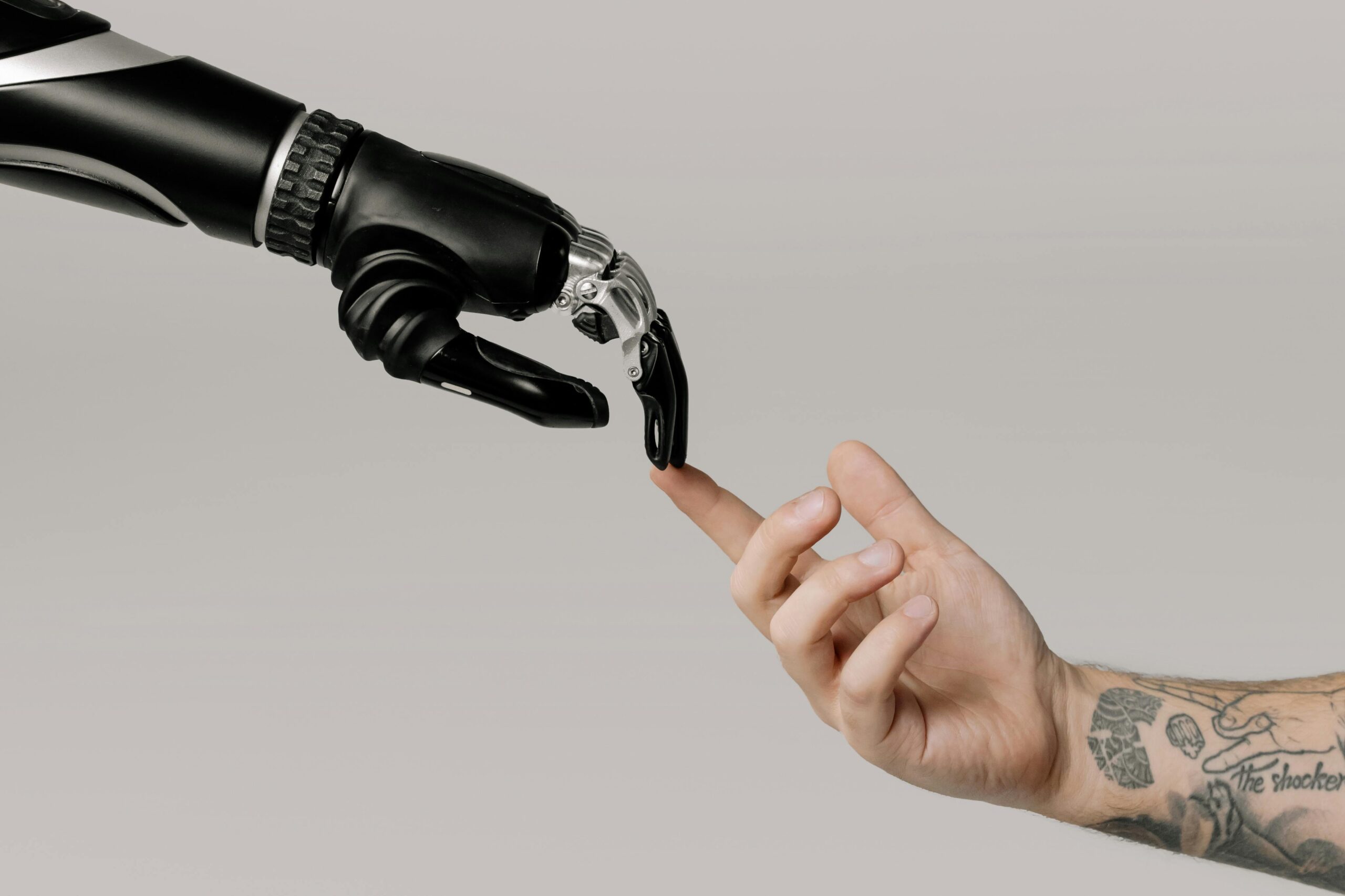
The fusion of human cognition with artificial systems is no longer science fiction—it’s rapidly becoming our reality, transforming how we interact with technology and redefining human potential.

🧠 The Dawn of a New Cognitive Era
Hybrid brain-machine connectivity represents one of the most revolutionary technological frontiers of our time. This groundbreaking field merges neuroscience, artificial intelligence, and bioengineering to create seamless interfaces between human consciousness and digital systems. As we stand on the precipice of this transformation, understanding its implications becomes crucial for navigating our technological future.
The concept of connecting human brains to machines has evolved dramatically over the past decade. What once required bulky equipment and invasive procedures now edges closer to practical, everyday applications. Researchers worldwide are developing increasingly sophisticated methods to decode neural signals, translate thoughts into digital commands, and even enhance cognitive capabilities beyond natural human limits.
Understanding Brain-Machine Interface Technology
Brain-Machine Interfaces (BMIs), also known as Brain-Computer Interfaces (BCIs), establish direct communication pathways between the brain and external devices. These systems work by detecting electrical signals produced by neurons, interpreting these patterns through advanced algorithms, and translating them into actionable commands for computers, prosthetics, or other technological systems.
The technology operates on multiple levels of complexity. Non-invasive systems use external sensors like electroencephalography (EEG) caps to monitor brain activity from outside the skull. Invasive approaches involve surgically implanted electrodes that can detect individual neuron firing with remarkable precision. Hybrid systems combine both approaches, balancing accessibility with performance to optimize results for specific applications.
The Neural Code: Deciphering Brain Signals
Our brains communicate through electrical impulses that travel across networks of billions of neurons. Each thought, movement, and sensation corresponds to specific patterns of neural activity. Modern BMI technology uses machine learning algorithms to recognize these patterns and associate them with intended actions or communications.
The challenge lies in the complexity and variability of neural signals. Individual brains develop unique patterns, and these patterns can change over time. Advanced hybrid systems address this through adaptive learning mechanisms that continuously refine their understanding of user-specific neural signatures, improving accuracy and responsiveness with prolonged use.
Revolutionary Applications Transforming Lives Today
The practical applications of hybrid brain-machine connectivity already extend far beyond laboratory settings, touching lives in profound and meaningful ways across multiple domains.
Medical Breakthroughs and Therapeutic Applications 🏥
In healthcare, BMI technology offers hope to millions living with neurological conditions and physical disabilities. Paralyzed patients are regaining the ability to control robotic limbs through thought alone. People with locked-in syndrome can now communicate with loved ones by spelling words through brain activity. Stroke survivors are relearning motor functions faster through neurofeedback training that helps rewire damaged neural pathways.
Epilepsy patients benefit from predictive systems that detect seizure precursors in brain activity, allowing preventive interventions before episodes occur. Depression and anxiety disorders are being treated through closed-loop systems that monitor emotional states and deliver precisely timed therapeutic stimulation. The precision and personalization offered by these technologies represent quantum leaps beyond traditional treatment approaches.
Enhancing Human Cognitive Performance
Beyond therapeutic applications, hybrid brain-machine systems are pioneering cognitive enhancement for healthy individuals. Memory augmentation systems are being developed to help store and retrieve information more efficiently. Attention-training protocols use real-time neural feedback to improve focus and concentration. Learning acceleration programs adapt educational content delivery based on measured comprehension patterns in brain activity.
Professional applications are emerging across industries. Pilots and surgeons use neurofeedback systems to maintain optimal alertness during critical operations. Athletes employ brain-training protocols to enhance reaction times and decision-making under pressure. Creative professionals explore neurotechnology tools that translate abstract thoughts into digital sketches or musical compositions.
The Technology Stack Powering Hybrid Connectivity
Modern hybrid brain-machine systems rely on sophisticated technological infrastructure that integrates multiple cutting-edge fields:
- Advanced Sensor Technology: High-resolution neural recording devices capable of detecting minute electrical signals with minimal noise interference
- Artificial Intelligence: Deep learning networks that decode complex neural patterns and predict user intentions with increasing accuracy
- Signal Processing: Real-time algorithms that filter, analyze, and translate raw brain data into meaningful information
- Wireless Communication: Low-latency transmission protocols enabling seamless data transfer between biological and artificial components
- Biocompatible Materials: Implantable components designed for long-term integration without triggering immune responses or degradation
- Cloud Computing: Distributed processing power for handling massive datasets generated by continuous neural monitoring
The Role of Machine Learning in Neural Decoding
Artificial intelligence serves as the critical translator between biological and digital systems. Machine learning models train on extensive neural datasets to recognize patterns associated with specific intentions, emotions, or cognitive states. These systems improve continuously through reinforcement learning, becoming more accurate and responsive as they accumulate experience with individual users.
Advanced neural networks can now predict intended movements before physical execution begins, enabling prosthetic control that feels natural and intuitive. Sentiment analysis algorithms detect emotional states from brain activity patterns, opening possibilities for mood-responsive environments and empathetic artificial intelligence systems.
Pioneering Companies and Research Institutions Leading the Way
The hybrid brain-machine connectivity landscape features numerous innovative organizations pushing technological boundaries. Neuralink, founded by Elon Musk, aims to develop high-bandwidth brain implants that could eventually enable direct neural communication with artificial intelligence systems. Their coin-sized devices contain thousands of electrode threads thinner than human hair, designed for minimally invasive surgical implantation.
Synchron has developed the Stentrode, a brain implant that can be inserted through blood vessels without open brain surgery, significantly reducing risks and recovery time. Kernel focuses on non-invasive neural recording technology that could make brain-computer interfaces accessible to mass markets. Academic institutions like Stanford, MIT, and Duke University continue producing groundbreaking research that advances both theoretical understanding and practical applications.
Overcoming Technical Challenges and Limitations ⚡
Despite remarkable progress, significant technical hurdles remain before hybrid brain-machine connectivity achieves mainstream adoption. Signal resolution presents a persistent challenge—non-invasive methods sacrifice precision for safety and convenience, while invasive approaches offer better performance at greater risk and cost.
Addressing Biocompatibility and Longevity
Implanted devices must function reliably for years or decades without degradation or causing tissue damage. The body’s immune system naturally responds to foreign objects, potentially encapsulating electrodes in scar tissue that degrades signal quality over time. Researchers are developing new materials and coatings that minimize these reactions while maintaining electrical conductivity.
Power supply represents another critical consideration. Implanted systems require sustainable energy sources that don’t necessitate frequent surgical replacements. Wireless charging, energy harvesting from body heat or movement, and ultra-efficient electronics are being explored as potential solutions.
Bandwidth and Processing Speed
The human brain operates at astonishing speed and complexity, processing vast amounts of information simultaneously across distributed networks. Current BMI systems capture only tiny fractions of this activity. Scaling up to record from millions or billions of neurons simultaneously while processing this data in real-time demands exponential improvements in hardware and software capabilities.
Ethical Considerations and Societal Implications 🤔
The power to read and potentially influence brain activity raises profound ethical questions that society must address proactively. Privacy concerns top the list—neural data represents the most intimate information possible, revealing thoughts, emotions, and intentions. Who owns this data? How should it be protected? What happens if it’s hacked or misused?
Consent becomes complicated when dealing with brain interfaces. Can individuals with severe cognitive impairments truly consent to neural implants? What rights should people have to modify their own neural functioning? Should there be limits on cognitive enhancement to prevent widening social inequalities between enhanced and non-enhanced individuals?
Identity and Autonomy in the Connected Age
Deeper philosophical questions emerge about personal identity when human minds interface directly with artificial systems. If external devices augment memory or alter emotional responses, do we remain ourselves? Where does individual agency end and algorithmic influence begin in hybrid human-machine systems?
The potential for coercion or manipulation through brain-machine interfaces demands serious consideration. Safeguards must be established to prevent unauthorized access or control. Transparent governance frameworks, robust security protocols, and international ethical standards will be essential as this technology matures.
The Economic Landscape and Market Potential 💰
The brain-machine interface market is experiencing explosive growth, with projections estimating valuations exceeding $5 billion by 2030. Investment pours in from venture capital, government research agencies, and major technology corporations recognizing the transformative potential of neural technologies.
Healthcare applications currently dominate the market, but consumer applications are emerging rapidly. Gaming companies explore thought-controlled interfaces for immersive experiences. Productivity tools integrate neural feedback for optimized work environments. Educational technology incorporates brain-responsive adaptive learning systems.
Integration with Emerging Technologies
Hybrid brain-machine connectivity doesn’t exist in isolation—its true potential emerges through synergy with other cutting-edge technologies. Virtual and augmented reality combined with neural interfaces could create fully immersive experiences indistinguishable from physical reality. Internet of Things devices could respond directly to thoughts, creating environments that adapt seamlessly to human intentions.
Artificial Intelligence and Neural Symbiosis
The convergence of human intelligence and artificial intelligence represents perhaps the most transformative possibility. Rather than humans simply using AI as a tool, hybrid connectivity could enable genuine symbiotic relationships where biological and artificial cognition merge seamlessly. This could amplify human creativity, problem-solving, and knowledge access to unprecedented levels.
Quantum computing may eventually provide the processing power necessary to decode and interact with the full complexity of human consciousness. Biotechnology advances in genetic engineering and neural tissue cultivation could enable biological enhancements that complement technological interfaces.
The Path Forward: Near-Term Developments and Future Horizons 🚀
The next five to ten years will likely see brain-machine interfaces transition from experimental treatments to approved therapies for specific conditions. Non-invasive consumer devices with basic functionality may become available for wellness, meditation, and cognitive training applications. Professional tools for specialized fields will expand, particularly in healthcare, military, and high-performance domains.
Medium-term developments may include more sophisticated prosthetics with sensory feedback, allowing users to feel through artificial limbs. Communication systems could enable thought-to-text or even direct brain-to-brain information transfer. Memory prosthetics might help individuals with dementia maintain cognitive function or allow healthy people to enhance recall abilities.
Long-Term Visions and Speculative Possibilities
Looking further ahead, some researchers envision possibilities that sound fantastical but follow logically from current trajectories. Collective consciousness networks might enable groups to share thoughts and experiences directly. Uploaded consciousness could allow mental states to be backed up, transferred, or potentially extended beyond biological limitations. Enhanced intelligence might accelerate human innovation and problem-solving exponentially.
These distant possibilities raise fundamental questions about human nature, consciousness, and what it means to be alive. Navigating this future wisely will require ongoing dialogue between technologists, ethicists, policymakers, and society at large.
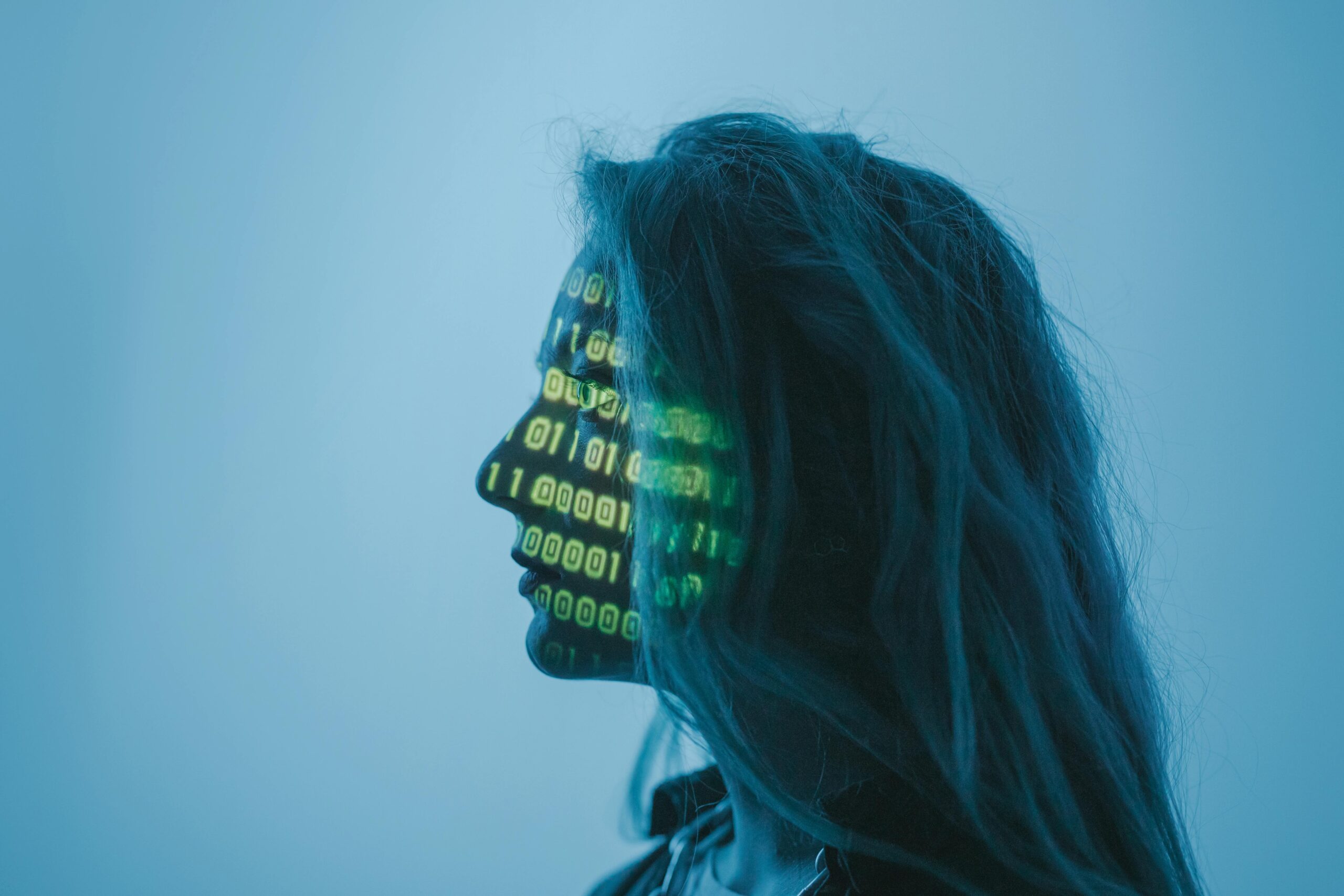
Preparing for a Hybrid Future
As hybrid brain-machine connectivity advances from laboratory curiosity to practical reality, individuals, organizations, and societies must prepare for profound changes. Education systems should incorporate neurotechnology literacy, helping people understand both capabilities and limitations. Regulatory frameworks need development to balance innovation with safety and rights protection. International cooperation will be essential to establish standards and prevent dystopian scenarios.
The future of hybrid brain-machine connectivity holds extraordinary promise for expanding human potential, treating devastating conditions, and fundamentally enhancing how we interact with information and technology. This powerful technology demands thoughtful development, ethical application, and inclusive access to ensure benefits extend broadly rather than concentrating among privileged groups.
The revolution in mind-machine integration has begun, and its trajectory will shape humanity’s evolution in coming decades. By approaching this transformation with wisdom, foresight, and commitment to human dignity, we can unleash unprecedented possibilities while safeguarding the essential qualities that make us human. The power to connect minds and machines represents not an endpoint but a beginning—the first steps into a future where the boundaries between biological and technological intelligence blur, creating new forms of existence and experience we’re only beginning to imagine.