Augmented reality is revolutionizing how scientists observe, analyze, and interact with data, creating unprecedented opportunities for discovery across disciplines worldwide. 🔬

The Convergence of Virtual and Physical Scientific Realms
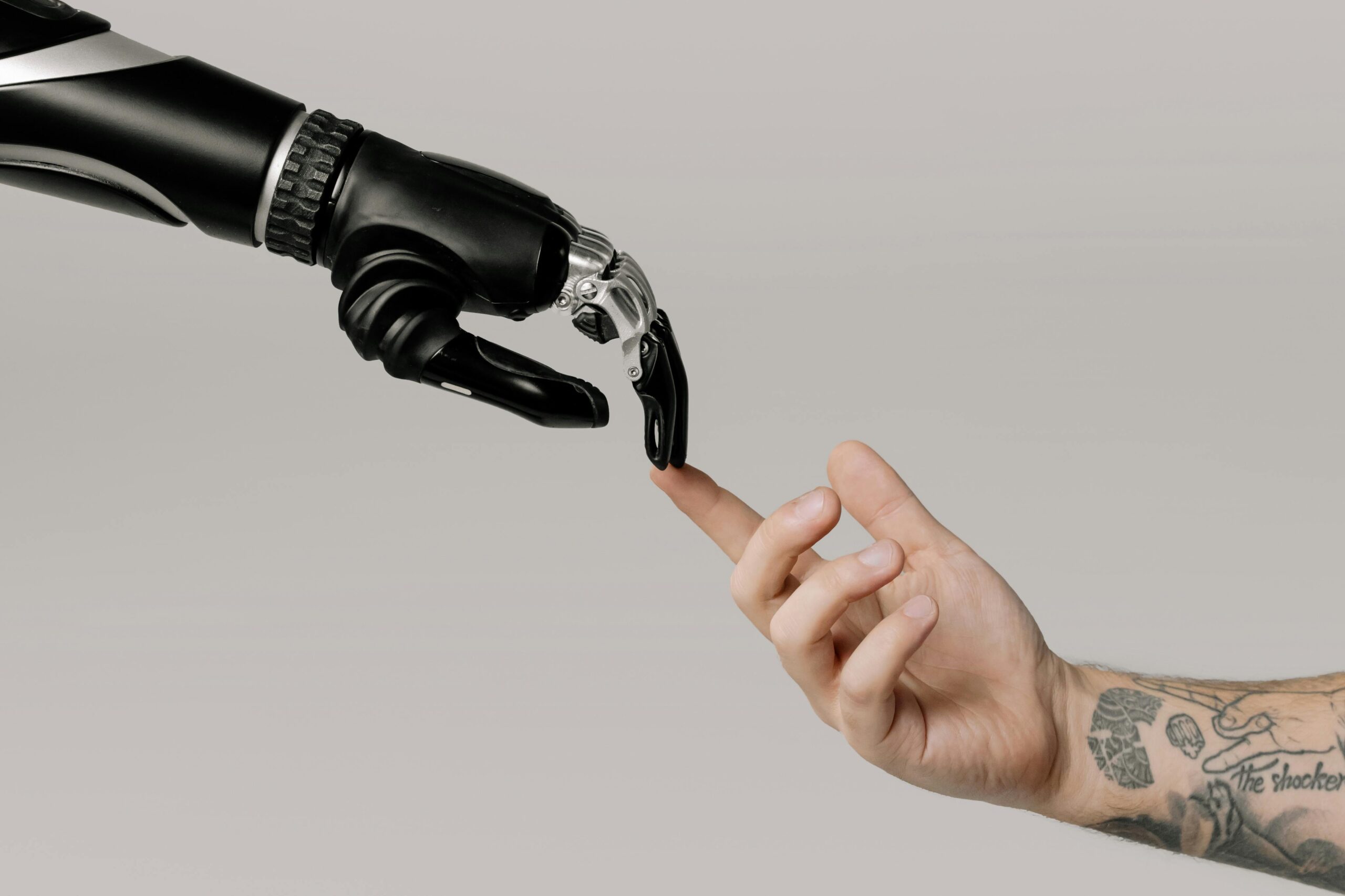
The integration of augmented reality (AR) into scientific exploration represents one of the most transformative technological advances of our era. Unlike virtual reality, which creates entirely synthetic environments, AR overlays digital information onto our physical world, enriching our perception and understanding of reality itself. This technology is fundamentally changing how researchers conduct experiments, visualize complex data, and collaborate across geographical boundaries.
Scientific institutions worldwide are recognizing AR’s potential to accelerate discovery and enhance comprehension of phenomena that were previously difficult or impossible to visualize. From molecular biology to astrophysics, AR is breaking down barriers between abstract data and tangible understanding, making the invisible visible and the incomprehensible accessible.
Visualizing the Invisible: Molecular and Cellular Exploration 🧬
In the microscopic realm, augmented reality is providing scientists with revolutionary tools to understand biological systems at molecular and cellular levels. Traditional microscopy, while powerful, limits researchers to two-dimensional representations of three-dimensional structures. AR changes this paradigm entirely.
Researchers can now project holographic representations of proteins, DNA sequences, and cellular structures into physical space, allowing them to walk around these molecules, examine them from multiple angles, and manipulate them with natural gestures. This spatial understanding is proving invaluable in drug discovery, where the precise shape and structure of molecules determine their therapeutic potential.
Medical researchers are using AR to visualize disease progression at the cellular level, overlaying real-time imaging data with predictive models. This capability has accelerated understanding of cancer metastasis, viral infections, and neurodegenerative diseases. The ability to see theoretical models alongside actual biological data creates a powerful feedback loop that enhances hypothesis generation and testing.
Structural Biology Transformed
Crystallographers and structural biologists are particularly benefiting from AR technology. Determining the three-dimensional structure of proteins has traditionally involved interpreting complex electron density maps—a skill that requires years of training and significant cognitive effort. AR systems now allow researchers to overlay these maps directly onto working models, making structural determination more intuitive and accessible.
Graduate students and early-career scientists can now grasp complex structural concepts in hours rather than months, democratizing expertise and accelerating the training pipeline. This educational advantage extends beyond professional research into university classrooms, where AR is making biochemistry and molecular biology more engaging and comprehensible.
Field Research Enhanced: Ecology and Environmental Science 🌍
For scientists working in natural environments, AR is proving to be an indispensable tool that bridges the gap between field observations and laboratory analysis. Ecologists studying biodiversity can now use AR-enabled devices to instantly identify species, access ecological data, and overlay environmental variables onto their field of view.
Conservation biologists tracking endangered species benefit from AR systems that display historical migration patterns, habitat quality indices, and population dynamics in real-time as they survey territories. This immediate access to contextual information enables more informed decision-making during critical fieldwork operations.
Marine biologists exploring coral reefs can use waterproof AR systems to identify species, measure reef health indicators, and document changes over time with unprecedented precision. The technology overlays previous survey data onto current observations, making temporal changes immediately apparent and facilitating rapid assessment of ecosystem health.
Climate Science Visualization
Climate scientists are leveraging AR to make abstract climate models tangible and understandable. Projecting sea-level rise predictions onto actual coastal landscapes helps communicate risks to policymakers and communities. Visualizing atmospheric circulation patterns, ocean currents, and temperature anomalies in three-dimensional space enhances researchers’ ability to identify patterns and anomalies.
The ability to manipulate time scales—accelerating or decelerating climate processes—provides intuitive understanding of feedback loops and cascade effects that are difficult to grasp through traditional data visualization methods. This capability is proving particularly valuable in interdisciplinary collaborations where climate scientists work alongside social scientists, urban planners, and public health experts.
Astronomy and Space Exploration Beyond Traditional Limits 🚀
The cosmos presents unique visualization challenges due to the vast scales involved and the impossibility of direct physical interaction. AR is providing astronomers with powerful new ways to explore the universe and share their discoveries with broader audiences.
Researchers can now project three-dimensional maps of galaxies, star clusters, and planetary systems into physical spaces, walking through stellar neighborhoods and examining cosmic structures from perspectives impossible through traditional telescopes. This spatial understanding is revealing patterns and relationships that remain hidden in two-dimensional sky surveys.
Planetary scientists studying Mars, Europa, and other celestial bodies are using AR to overlay topographical data, geological features, and potential landing sites onto physical models. Mission planning teams can collaboratively explore these environments, identifying scientific targets and evaluating risks before committing resources to actual missions.
Gravitational Wave Astronomy
One of the most exciting applications involves visualizing gravitational wave data—ripples in spacetime caused by cosmic events like colliding black holes. These phenomena are impossible to observe directly but can be represented beautifully through AR, allowing researchers to explore the geometry of spacetime distortions and understand the physics of extreme gravitational events.
Educational outreach programs are using these AR visualizations to bring cutting-edge astrophysics to students and public audiences, transforming abstract mathematical concepts into experiential learning opportunities that inspire the next generation of scientists.
Archaeological Discovery and Historical Reconstruction 🏛️
Archaeologists are finding AR invaluable for both excavation work and site interpretation. During excavations, AR systems can overlay previous survey data, ground-penetrating radar results, and historical maps onto the dig site, helping researchers understand spatial relationships and prioritize excavation strategies.
Once artifacts are discovered, AR enables virtual reconstruction of fragmented objects, allowing archaeologists to visualize complete vessels, structures, or artworks without physically manipulating delicate materials. This non-invasive approach preserves artifacts while facilitating scholarly analysis.
At archaeological sites open to visitors, AR creates immersive experiences that reconstruct ancient structures, display artifacts in their original contexts, and visualize daily life in historical periods. This technology transforms ruins into living educational environments, making history tangible and engaging.
Collaborative Science: Breaking Geographical Barriers 🌐
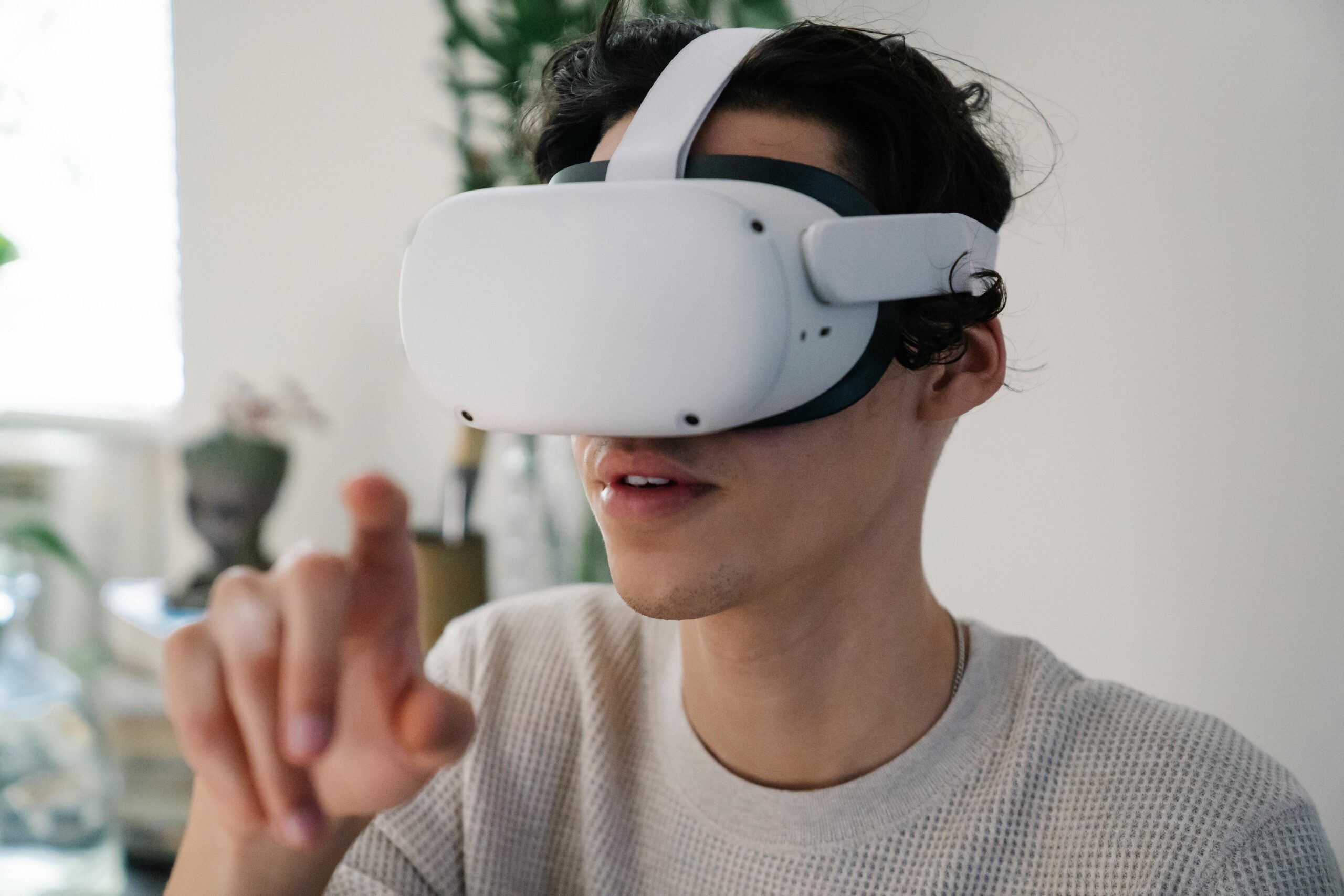
Perhaps one of AR’s most significant contributions to scientific exploration is its ability to facilitate collaboration across distances. Researchers on different continents can share augmented reality workspaces, examining the same data visualizations, conducting virtual experiments, and discussing findings as if they were in the same laboratory.
This capability has proven particularly valuable during global health crises when travel restrictions limited traditional scientific exchange. AR-enabled collaboration maintained research momentum and facilitated international cooperation on urgent scientific challenges.
Interdisciplinary research particularly benefits from AR collaboration tools. When a molecular biologist, computational scientist, and clinical researcher examine the same protein structure simultaneously—each bringing their unique perspective—the synthesis of insights accelerates discovery in ways that sequential communication cannot achieve.
Remote Instrument Operation
AR is enabling scientists to operate sophisticated instruments remotely with unprecedented precision. Researchers can view real-time instrument data overlaid onto their field of view, make adjustments based on augmented feedback, and troubleshoot problems as if they were physically present. This capability extends access to rare or expensive equipment, democratizing scientific resources.
Challenges and Technical Considerations ⚙️
Despite its tremendous potential, implementing AR in scientific contexts presents significant challenges. Data accuracy is paramount—visualizations must faithfully represent underlying data without introducing misleading artifacts or distortions. Developing robust calibration methods and validation protocols is essential for maintaining scientific integrity.
Hardware limitations continue to constrain AR applications. Current devices often have limited fields of view, battery life concerns, and processing power constraints that restrict the complexity of real-time visualizations. However, rapid technological advancement is steadily addressing these limitations.
Standardization represents another challenge. The scientific community needs agreed-upon protocols for AR data representation, file formats for sharing AR-enabled datasets, and best practices for ensuring reproducibility of AR-enhanced experiments.
Data Security and Intellectual Property
As AR systems become more integrated with scientific workflows, protecting sensitive research data and intellectual property becomes increasingly important. Ensuring secure data transmission, preventing unauthorized access to proprietary visualizations, and maintaining audit trails for regulatory compliance require careful attention.
Training the Next Generation of Scientists 👩🔬
Educational institutions are incorporating AR into scientific training programs, recognizing that students who develop fluency with these tools will have significant advantages in their careers. AR-enhanced laboratory courses allow students to visualize abstract concepts, practice complex procedures in safe virtual environments, and develop intuitive understanding of spatial relationships in molecular, anatomical, and geological contexts.
Medical schools are using AR for anatomy education, overlaying circulatory systems, nervous pathways, and organ structures onto physical models or even living volunteers. This approach provides deeper understanding than traditional cadaver dissection while addressing ethical concerns and resource limitations.
Engineering programs are using AR to teach complex systems thinking, allowing students to see inside machinery, visualize stress distributions in structures, and understand fluid dynamics through interactive three-dimensional representations.
The Economic Dimension of AR in Science 💡
The integration of AR into scientific workflows represents significant investment, but the return on investment is becoming increasingly clear. AR reduces the time required for certain experimental procedures, minimizes material waste through better planning, and accelerates training of new researchers.
Pharmaceutical companies are documenting substantial cost savings from AR-enhanced drug discovery pipelines. The ability to quickly visualize and evaluate molecular interactions reduces the number of synthesis cycles required, saving time and expensive reagents.
Research funding agencies are beginning to recognize AR capabilities as competitive advantages in grant applications, particularly for projects involving complex spatial data, international collaboration, or significant educational components.
Ethical Considerations and Responsible Innovation 🤔
As with any powerful technology, the use of AR in scientific exploration raises important ethical questions. The potential for AR visualizations to mislead—whether through technical limitations, design choices, or intentional manipulation—requires vigilance and established ethical guidelines.
Questions of accessibility are paramount. As AR becomes integral to scientific practice, ensuring that researchers in resource-limited settings maintain competitive access to these tools is essential for global equity in scientific capability. Open-source AR platforms and international technology-sharing initiatives will play crucial roles.
The balance between immersive experience and objective analysis deserves careful consideration. While AR’s ability to create compelling visualizations enhances understanding, scientists must guard against letting aesthetic considerations influence scientific judgment.
The Road Ahead: Emerging Applications and Future Possibilities
The future of AR in scientific exploration is extraordinarily promising. Artificial intelligence integration will enable AR systems to automatically identify patterns, suggest hypotheses, and guide experimental design based on visualized data. Machine learning algorithms will optimize AR representations for human comprehension, adapting visualizations to individual cognitive styles and expertise levels.
Brain-computer interfaces may eventually allow direct mental control of AR visualizations, enabling researchers to manipulate complex data with thought alone. While this remains speculative, current research trajectories suggest such capabilities may emerge within coming decades.
Quantum computing integration could enable real-time AR visualization of quantum mechanical systems, making the counterintuitive world of quantum physics more accessible and potentially accelerating discoveries in quantum chemistry, materials science, and fundamental physics.
Cross-Reality Scientific Environments
The boundaries between augmented reality, virtual reality, and physical reality are blurring, creating “cross-reality” scientific environments where researchers seamlessly transition between modes depending on task requirements. This fluid interaction with data across reality spectrums may represent the ultimate realization of AR’s potential in science.
Transforming Scientific Communication and Public Engagement 📱
Beyond research applications, AR is revolutionizing how scientists communicate findings to peers and public audiences. Scientific papers enhanced with AR components allow readers to interact with data, explore three-dimensional models, and gain deeper understanding than static figures permit.
Museums and science centers are using AR to create interactive exhibits that bring scientific concepts to life. Visitors can manipulate virtual molecules, explore geological time scales, or observe astronomical phenomena, transforming passive observation into active learning.
Science journalism is being enriched by AR capabilities that allow audiences to explore complex stories through interactive visualizations. This enhanced communication strengthens public understanding of science and may increase support for scientific research and evidence-based policy.
Building the AR-Enabled Scientific Infrastructure
Realizing AR’s full potential requires coordinated infrastructure development. Research institutions must invest in hardware, software licenses, technical support, and training programs. Creating shared AR laboratories and equipment lending programs can maximize resource utilization and ensure broad access.
Professional organizations should develop AR competency standards, certification programs, and continuing education opportunities to ensure the scientific workforce maintains current expertise with evolving technologies.
Funding agencies, publishers, and scientific societies must establish policies supporting AR-enhanced research outputs, ensuring that innovative work utilizing these tools receives appropriate recognition and dissemination.
The integration of augmented reality into scientific exploration represents more than technological advancement—it signifies a fundamental evolution in how humanity observes, understands, and interacts with the natural world. As AR capabilities expand and mature, they will increasingly dissolve barriers between abstract knowledge and experiential understanding, between isolated researchers and collaborative communities, between scientific discovery and public engagement. The frontier of AR-enabled science is vast and largely unexplored, promising transformative discoveries that will shape our understanding of reality for generations to come. 🌟