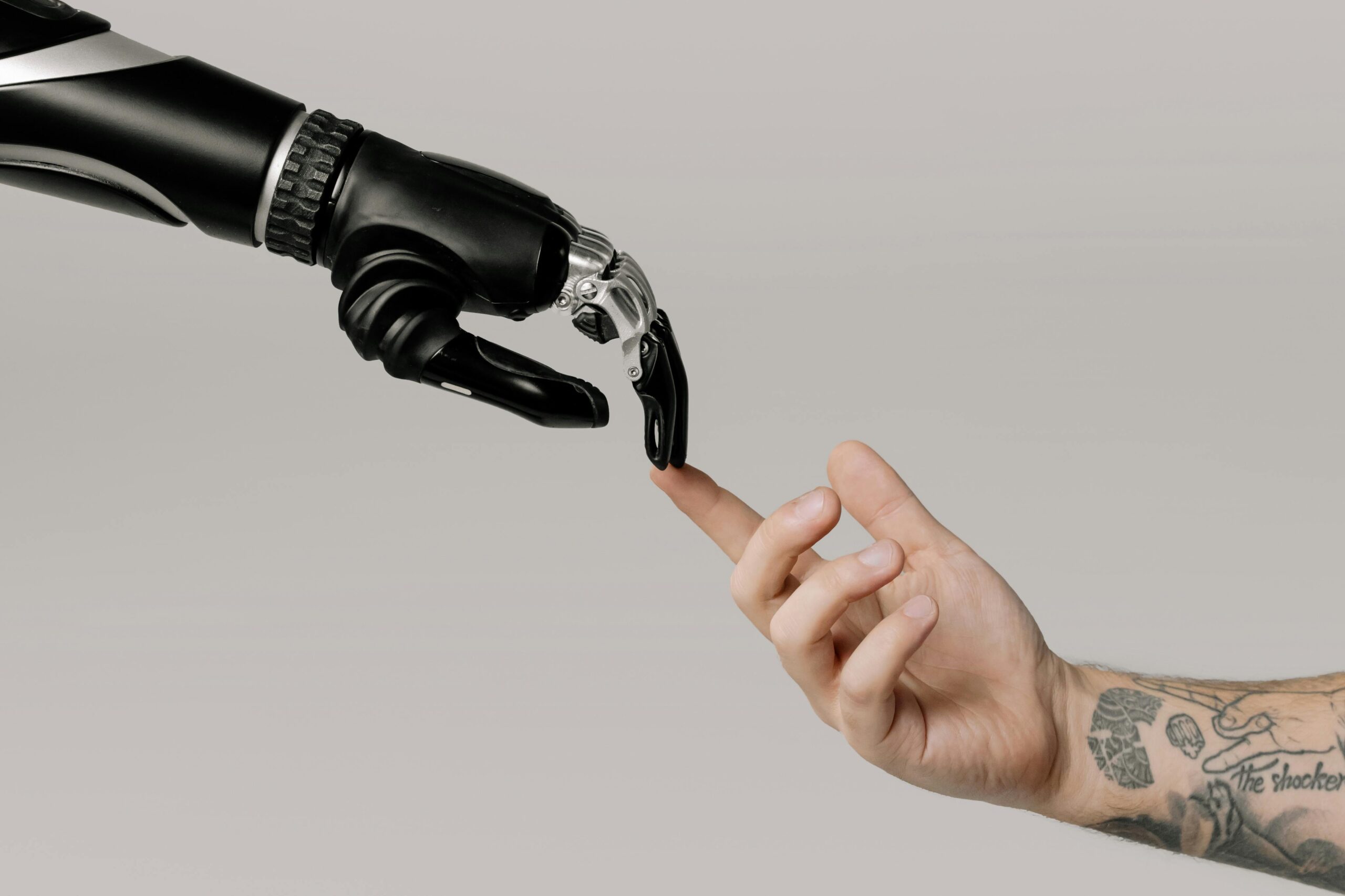
Adaptive AI learning partners are revolutionizing education by providing personalized experiences that meet each student’s unique needs, transforming traditional one-size-fits-all approaches.

The landscape of education is undergoing a profound transformation. As classrooms become increasingly diverse and students arrive with varied learning styles, abilities, and backgrounds, educators face the mounting challenge of delivering instruction that resonates with every individual. This is where adaptive artificial intelligence emerges as a game-changing solution, offering unprecedented opportunities to unlock each learner’s full potential through personalized, intelligent educational experiences.
🎯 Understanding Adaptive AI in Educational Contexts
Adaptive AI learning partners represent sophisticated systems that continuously analyze student performance, identify knowledge gaps, and adjust instructional content in real-time. Unlike static educational software that presents the same material to all users, these intelligent systems function as responsive tutors that evolve with each interaction.
The technology leverages machine learning algorithms to process vast amounts of data about how students engage with material. Every click, pause, correct answer, and mistake becomes a data point that helps the system understand the learner’s strengths, weaknesses, preferences, and optimal learning pathways. This creates a dynamic educational environment that adapts moment by moment.
What distinguishes adaptive AI from previous educational technologies is its capacity for genuine personalization. Traditional computer-based learning programs might offer different difficulty levels, but adaptive systems go much deeper. They recognize patterns in how individual students learn, identifying whether someone benefits more from visual explanations, step-by-step guidance, or exploratory problem-solving approaches.
The Science Behind Intelligent Adaptation
Adaptive learning systems employ several sophisticated techniques to personalize education effectively. Natural language processing enables these systems to understand student responses beyond simple right-or-wrong answers, detecting partial understanding and common misconceptions. Computer vision can analyze how students interact with visual problems, while predictive analytics forecast which concepts a learner might struggle with before difficulties arise.
These systems also incorporate cognitive science principles, including spaced repetition for optimal memory retention, interleaving of topics to strengthen connections, and scaffolding that provides support precisely when needed. The AI acts as an attentive tutor who knows exactly when to challenge, when to reinforce, and when to redirect.
📚 Transforming the Learning Experience Across Subjects
Adaptive AI learning partners have demonstrated remarkable effectiveness across diverse academic disciplines. In mathematics, these systems can identify whether a student struggles with conceptual understanding or procedural execution, adjusting instruction accordingly. A learner who grasps algebraic concepts but makes calculation errors receives different support than one who misunderstands the underlying principles.
Language learning benefits tremendously from adaptive AI. These systems can assess pronunciation, grammar, vocabulary, and conversational skills simultaneously, creating customized practice that addresses each dimension appropriately. The technology recognizes when a student needs more listening practice versus speaking opportunities, or when vocabulary building should take priority over grammatical structures.
Science education gains new dimensions through adaptive platforms that simulate experiments, adjust complexity based on comprehension, and connect abstract concepts to concrete examples tailored to student interests. A learner passionate about sports might explore physics through athletic performance, while another interested in music encounters the same principles through sound waves and acoustics.
Literacy and Reading Comprehension Enhancement
Reading comprehension presents unique challenges that adaptive AI addresses with remarkable nuance. These systems don’t simply adjust text difficulty; they analyze comprehension patterns to understand whether students struggle with vocabulary, inference, main idea identification, or other specific skills. The AI then provides targeted practice and scaffolded support in those precise areas.
Advanced systems can even adapt the content themes and contexts to match student interests, making reading more engaging while still building essential skills. A reluctant reader fascinated by space exploration might receive comprehension exercises featuring astronomy topics, while another passionate about animals encounters equivalent skill-building through wildlife narratives.
🌟 Benefits That Extend Beyond Academic Performance
The advantages of adaptive AI learning partners reach far beyond improved test scores and grades. These systems fundamentally transform the emotional and psychological dimensions of education, addressing challenges that have long plagued traditional classrooms.
Student engagement increases dramatically when learning feels personally relevant and appropriately challenging. Adaptive systems eliminate the frustration of material that’s too difficult and the boredom of content that’s too easy, maintaining what psychologists call the “flow state” where learners are optimally challenged and absorbed.
Confidence building represents another significant benefit. Students who have experienced repeated failure in traditional settings often develop learned helplessness and negative academic identities. Adaptive AI provides the scaffolding necessary for success experiences, gradually building self-efficacy as learners tackle progressively challenging material at their own pace.
Fostering Independence and Self-Directed Learning
Perhaps most importantly, adaptive AI learning partners cultivate learner autonomy. Students develop metacognitive skills as they interact with systems that make their thinking visible and help them understand their own learning processes. This self-awareness proves invaluable not just in academic contexts but throughout life.
These systems also accommodate diverse life circumstances. Students balancing academic work with family responsibilities, employment, or health challenges can learn when and where it suits them, with AI partners that never judge, never tire, and remain endlessly patient regardless of how many attempts mastery requires.
💡 Real-World Implementation and Success Stories
Educational institutions worldwide are implementing adaptive AI with transformative results. Schools in underserved communities report significant achievement gap reductions as adaptive systems provide each student with essentially private tutoring. Advanced learners accelerate through material at their own pace without waiting for classmates, while struggling students receive intensive support without stigma.
Higher education institutions leverage adaptive platforms for large enrollment courses, ensuring personalized learning experiences even when professor-to-student ratios would otherwise make individualization impossible. Medical schools use adaptive AI to help students master vast amounts of information, with systems that identify knowledge gaps and provide targeted review.
Corporate training programs employ adaptive learning to upskill employees efficiently. Rather than mandating identical training for everyone, organizations use AI systems that assess current knowledge and provide personalized pathways to competency, respecting that experienced workers need different support than newcomers.
Addressing Learning Differences and Special Education
Adaptive AI shows particular promise for students with learning differences. Dyslexic students benefit from systems that adjust presentation formats, pacing, and support levels without requiring separate curricula. Students on the autism spectrum often thrive with consistent, predictable AI partners that adapt to sensory sensitivities and communication preferences.
Gifted students, frequently underserved in traditional classrooms, find appropriate intellectual challenge through adaptive systems that continuously adjust difficulty upward. These learners can explore topics deeply and broadly according to their passions rather than being constrained by grade-level expectations.
🔧 Practical Considerations for Implementation
Successfully integrating adaptive AI learning partners requires thoughtful planning and execution. Educational leaders must consider infrastructure requirements, including reliable internet access and adequate devices. The digital divide remains a significant equity concern, as students without home internet access may not fully benefit from adaptive platforms designed for continuous use.
Teacher training represents another crucial implementation element. Educators need support understanding how adaptive systems work, interpreting the data they generate, and integrating AI tools with traditional instruction. The goal is not replacing teachers but amplifying their effectiveness through powerful technological partnerships.
Privacy and data security demand careful attention. Adaptive systems collect substantial information about student learning, raising important questions about data ownership, security protocols, and appropriate use. Schools must ensure robust protections while maintaining transparency with families about how information is collected and utilized.
Selecting the Right Platform for Your Context
Not all adaptive AI learning systems are created equal. Educators and institutions should evaluate platforms based on several criteria:
- Pedagogical foundation: Does the system incorporate sound learning science principles?
- Adaptivity sophistication: How genuinely personalized is the experience?
- Content quality: Is the instructional material accurate, engaging, and aligned with standards?
- Data transparency: Can teachers and students access meaningful information about progress and learning patterns?
- Accessibility features: Does the platform accommodate diverse learners, including those with disabilities?
- Evidence of effectiveness: Has the platform demonstrated positive outcomes through rigorous research?
🚀 The Future Landscape of AI-Powered Education
The evolution of adaptive AI learning partners continues at a rapid pace. Emerging technologies promise even more sophisticated personalization capabilities. Emotion recognition systems may soon detect student frustration or boredom, adjusting not just content but instructional tone and pacing. Virtual reality integration could create immersive adaptive learning experiences that respond to how students interact with three-dimensional educational environments.
Multimodal learning systems will likely combine text, audio, video, and interactive simulations, with AI determining the optimal combination for each learner and concept. Natural language capabilities continue improving, moving toward genuine conversational interaction where students can ask questions and receive explanations as they would from a knowledgeable tutor.
Collaborative adaptive learning represents another frontier. Future systems might facilitate personalized group learning experiences, dynamically forming study groups based on complementary strengths and shared growth areas. The AI could assign collaborative roles that maximize each participant’s contribution while supporting development of teamwork skills.
Ethical Considerations and Human-Centered Design
As these technologies advance, maintaining ethical frameworks becomes increasingly important. Adaptive AI systems must be designed with human flourishing as the primary goal, not just efficiency or performance metrics. Questions about algorithmic bias require constant attention, ensuring that systems don’t inadvertently perpetuate or amplify existing educational inequities.
The role of human connection in education remains irreplaceable. While AI excels at certain instructional tasks, the mentorship, inspiration, and emotional support that teachers provide cannot be replicated by algorithms. The optimal future involves thoughtful integration where technology handles adaptive content delivery while educators focus on higher-order guidance, motivation, and relationship-building.
🎓 Empowering Educators and Transforming Teaching Roles
Contrary to fears about AI replacing teachers, adaptive learning systems actually enhance educator effectiveness and job satisfaction. When AI handles repetitive instructional tasks and individualizes practice, teachers gain time for the professional activities that drew them to education: inspiring curiosity, facilitating discussions, mentoring struggling students, and cultivating critical thinking.
Adaptive systems provide teachers with unprecedented insights into student learning. Rather than waiting for test results to reveal knowledge gaps, educators receive real-time data about who understands what, enabling timely interventions. This transforms teaching from guesswork to informed decision-making grounded in comprehensive learning analytics.
Professional development opportunities emerge as educators learn to interpret AI-generated insights and integrate adaptive tools strategically. Teachers evolve into learning experience designers, curating and orchestrating educational resources including but not limited to AI systems, creating rich learning ecosystems tailored to their students’ needs.
🌍 Democratizing Access to Quality Education Globally
Perhaps the most profound potential of adaptive AI learning partners lies in expanding educational access. In regions with teacher shortages or where qualified instructors in specialized subjects are unavailable, adaptive AI can partially fill gaps. Students in remote areas can access sophisticated, personalized instruction previously available only in well-resourced schools.
Language barriers diminish as adaptive systems offer instruction in multiple languages, with translation capabilities that preserve pedagogical effectiveness. Learners can even receive initial instruction in their native language while gradually transitioning to a target language, with the AI adjusting the pace of linguistic transition to individual readiness.
Cost efficiencies associated with adaptive AI—particularly as technologies mature and scale—make quality educational resources increasingly affordable. While initial development requires substantial investment, the marginal cost of serving additional students decreases dramatically, creating potential for truly global educational access.
✨ Realizing the Promise: Strategic Steps Forward
Unlocking the full potential of adaptive AI learning partners requires coordinated effort from multiple stakeholders. Policymakers must ensure equitable technology access while establishing appropriate guardrails around data privacy and algorithmic accountability. Investment in educational technology infrastructure, particularly in underserved communities, represents not just an educational priority but an economic and social imperative.
Educators need ongoing professional learning opportunities that go beyond technical training to explore pedagogical integration strategies. University education programs should prepare future teachers to work effectively alongside AI systems, understanding both their capabilities and limitations.
Developers must prioritize collaboration with educators and learning scientists, ensuring that adaptive systems reflect sound pedagogical principles rather than simply impressive technological features. User-centered design processes that include diverse student voices will produce more effective, equitable platforms.
Parents and communities benefit from clear communication about how adaptive AI systems work, what data they collect, and how they complement rather than replace traditional instruction. Building trust requires transparency and opportunities for stakeholder input into implementation decisions.
The convergence of artificial intelligence and education represents one of the most promising developments in the long history of human learning. Adaptive AI learning partners offer unprecedented opportunities to personalize education, accommodate diverse learners, and unlock potential that traditional approaches often leave dormant. As these technologies continue evolving, the vision of truly individualized education for every student moves from aspiration to achievable reality.
By thoughtfully implementing adaptive AI with attention to equity, ethics, and pedagogical soundness, we can transform education into an experience where every learner receives precisely the support, challenge, and encouragement they need to flourish. The power of personalized, adaptive learning is not just about academic achievement—it’s about helping every individual discover and develop their unique gifts, preparing them not just for tests but for meaningful, fulfilling lives.