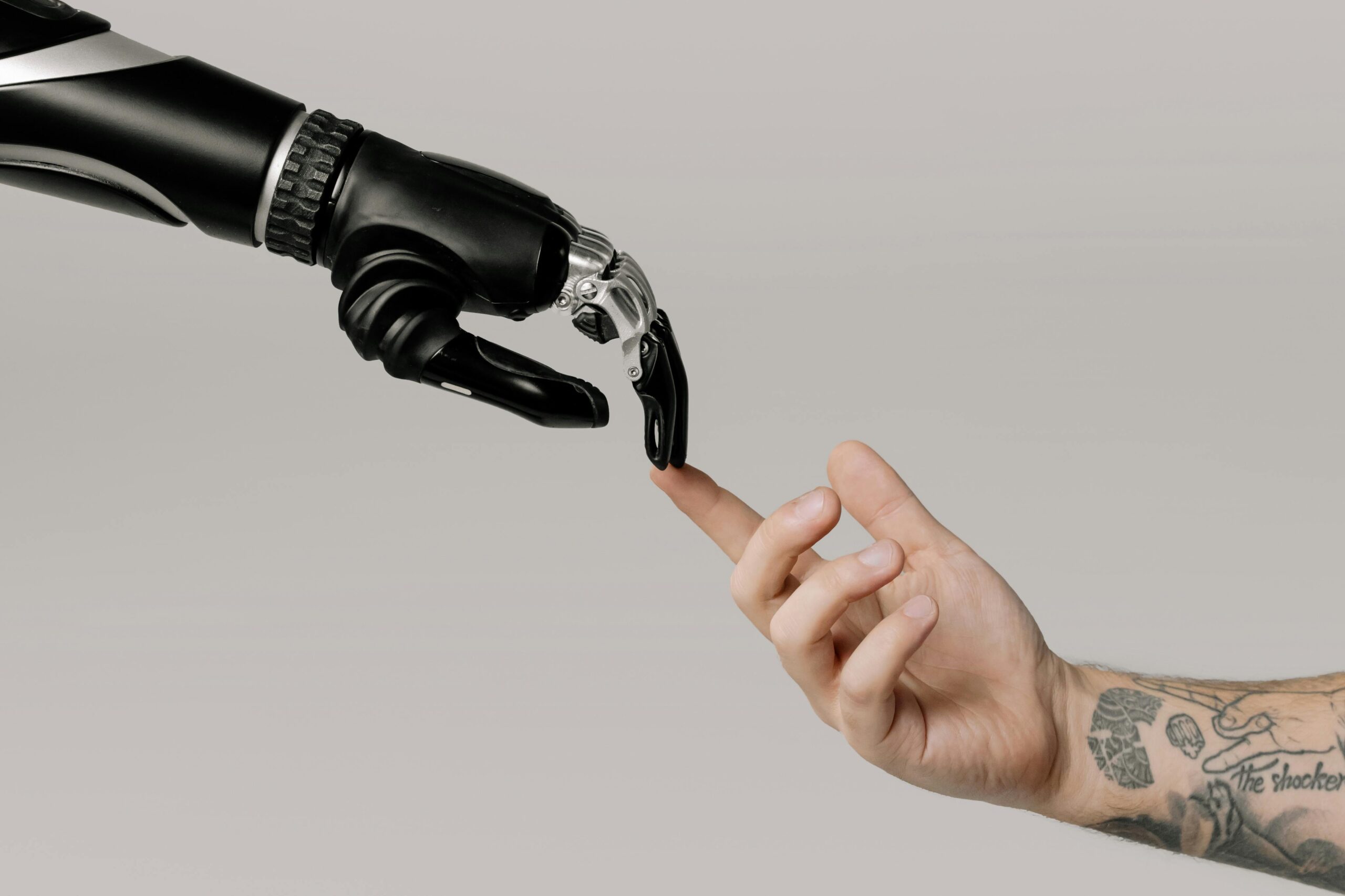
Context-aware cognitive assistants are transforming how we work, learn, and interact with technology, offering unprecedented levels of personalization and intelligent automation in our daily lives.

🚀 The Dawn of Intelligent Assistance in the Digital Age
We stand at the threshold of a remarkable technological revolution. The emergence of context-aware cognitive assistants represents far more than incremental improvement in software capabilities—it signals a fundamental shift in human-computer interaction. These sophisticated systems understand not just what we ask, but why we’re asking, where we are, what we’re doing, and what we might need next.
Traditional digital assistants responded to commands with predetermined responses. Today’s context-aware cognitive assistants analyze multiple data streams simultaneously, learning from patterns in our behavior, adapting to our preferences, and anticipating our needs before we articulate them. This transformation from reactive to proactive assistance is reshaping productivity paradigms across industries and personal workflows.
The power of these systems lies in their ability to process contextual information—time of day, location, calendar events, previous interactions, current tasks, and even biometric data—to deliver precisely calibrated responses. This contextual intelligence elevates these tools from simple automation to genuine cognitive partnership.
🧠 Understanding the Core Architecture of Context-Aware Systems
Context-aware cognitive assistants operate on sophisticated technological foundations that combine multiple artificial intelligence disciplines. At their core, these systems integrate natural language processing, machine learning algorithms, predictive analytics, and real-time data processing to create seamless user experiences.
The architecture typically involves several interconnected layers. The perception layer collects data from various sources—sensors, applications, user inputs, and environmental signals. The interpretation layer processes this raw data, identifying patterns and extracting meaningful insights. The reasoning layer applies learned models and logical rules to understand context and user intent. Finally, the action layer executes appropriate responses, whether providing information, automating tasks, or triggering workflows.
The Intelligence Behind Contextual Understanding
What distinguishes truly intelligent assistants is their capacity for contextual reasoning. When you ask your assistant to “reschedule tomorrow’s meeting,” it doesn’t simply access your calendar. It considers who’s attending, how often you’ve rescheduled with those participants, your travel schedule, your typical meeting preferences, and even the urgency level based on message history.
This multidimensional analysis happens in milliseconds, creating the impression of genuine understanding. Machine learning models continuously refine their predictions based on accuracy feedback, creating systems that become more valuable the longer you use them.
📊 Quantifiable Impacts on Productivity and Efficiency
The productivity gains from context-aware cognitive assistants extend beyond anecdotal improvements. Organizations implementing these systems report measurable efficiency increases across multiple dimensions of work.
Research from leading technology firms indicates that professionals using advanced cognitive assistants save an average of 4-6 hours weekly on routine tasks. These time savings compound when considering the cognitive load reduction—the mental energy previously spent on remembering, organizing, and coordinating now redirects toward high-value creative and strategic work.
Transforming Decision-Making Processes
Context-aware systems excel at supporting better decisions by presenting relevant information at precisely the right moment. Rather than forcing users to search through databases or recall specific details, these assistants proactively surface pertinent data based on current context.
For example, before an important client call, your cognitive assistant might automatically display recent purchase history, previous conversation notes, relevant market trends, and competitor intelligence—all without explicit requests. This contextual information delivery dramatically improves decision quality while reducing preparation time.
🔄 Seamless Integration Across Digital Ecosystems
The true power of context-aware cognitive assistants emerges when they integrate seamlessly across your entire digital ecosystem. These systems don’t operate in isolation; they function as connective tissue linking disparate applications, devices, and data sources into cohesive experiences.
Modern assistants synchronize information across smartphones, tablets, computers, smart home devices, and wearables. They understand that a task started on your phone during your commute might need to be completed on your desktop at the office, maintaining continuity of context throughout these transitions.
This ecosystem integration eliminates the friction traditionally associated with switching between devices or applications. Your assistant becomes a persistent companion that travels with you, maintaining awareness of your ongoing projects, priorities, and preferences regardless of which device you’re currently using.
Breaking Down Application Silos
One of the most significant advantages of sophisticated cognitive assistants is their ability to bridge application silos. Rather than requiring you to manually transfer information between different software tools, these assistants automatically coordinate data flows based on your workflows.
When you receive an email about a project deadline change, your assistant can automatically update your project management tool, adjust related calendar events, notify affected team members, and reschedule dependent tasks. This cross-application orchestration eliminates redundant data entry and ensures consistency across your digital workspace.
🎯 Personalization That Adapts to Individual Work Styles
Generic productivity tools force users to adapt their workflows to predetermined structures. Context-aware cognitive assistants invert this relationship, adapting themselves to match individual work styles, preferences, and patterns.
These systems learn whether you’re a morning person or night owl, whether you prefer detailed briefings or executive summaries, whether you work better with visual representations or text-based information. They observe how you prioritize tasks, which communication channels you prefer for different types of messages, and which colleagues typically require immediate responses.
This deep personalization creates increasingly efficient interactions over time. The assistant that initially required explicit instruction gradually anticipates your needs, suggests relevant actions, and automates routine decisions based on established patterns.
Respecting Cognitive Preferences and Limitations
Advanced cognitive assistants recognize that human attention and cognitive capacity are finite resources requiring thoughtful management. Rather than overwhelming users with constant notifications and information streams, these systems learn optimal timing and communication strategies for each individual.
They understand when you’re in deep focus mode and should only be interrupted for genuine emergencies. They recognize when you’re in planning mode and might benefit from proactive suggestions. They adapt notification frequency and detail level based on your demonstrated preferences and current context.
🌐 Industry-Specific Applications Driving Transformation
While context-aware cognitive assistants offer universal productivity benefits, their impact becomes particularly pronounced in specific industry applications where domain expertise combines with contextual intelligence.
In healthcare, cognitive assistants support clinicians by integrating patient history, current symptoms, latest research, and treatment protocols to suggest diagnostic possibilities and evidence-based interventions. These systems understand medical context, urgency levels, and regulatory requirements, providing specialized assistance that general-purpose tools cannot match.
Financial professionals benefit from assistants that monitor market conditions, track portfolio performance, identify emerging trends, and alert to significant developments affecting investments. These systems process vast quantities of financial data, applying sophisticated analytics while presenting insights in accessible formats tailored to individual decision-making styles.
Revolutionizing Customer Service and Support
Customer service represents another domain experiencing dramatic transformation through context-aware assistance. Modern support systems access complete customer histories, previous interactions, product usage patterns, and sentiment indicators to provide personalized, efficient service.
Service representatives equipped with cognitive assistants receive real-time suggestions for resolution strategies, relevant knowledge base articles, and predictive insights about customer needs. This contextual support enables faster problem resolution and more satisfying customer experiences.
🔐 Privacy, Security, and Ethical Considerations
The extensive data access required for contextual intelligence raises important privacy and security questions that responsible implementations must address thoughtfully.
Leading cognitive assistant platforms implement robust privacy protections including end-to-end encryption, local processing options that keep sensitive data on-device, granular permission controls, and transparent data usage policies. Users should maintain clear visibility into what information their assistants access and how that data is utilized.
Ethical considerations extend beyond privacy to questions of algorithmic bias, decision-making transparency, and appropriate boundaries for AI assistance. As these systems become more sophisticated, maintaining human agency and avoiding overreliance on automated suggestions becomes increasingly important.
Building Trust Through Transparency
Trust represents the foundation of effective cognitive assistance. Users must understand how their assistants reach conclusions, what data informs recommendations, and when system confidence levels warrant human review.
Advanced assistants provide explanation capabilities that reveal reasoning processes. Rather than simply suggesting an action, they can articulate why that action aligns with your goals, what information informed the recommendation, and what alternative approaches were considered. This transparency builds confidence and enables users to evaluate assistant suggestions critically.
💡 Practical Implementation Strategies for Maximum Benefit
Successfully leveraging context-aware cognitive assistants requires more than simply installing software. Organizations and individuals benefit from strategic implementation approaches that maximize value while managing change effectively.
Begin with clear objectives. Identify specific productivity bottlenecks, inefficiencies, or pain points that cognitive assistance might address. Focused implementation targeting well-defined problems typically delivers more immediate value than attempting comprehensive transformation simultaneously.
Invest time in initial configuration and training. While these systems learn automatically, providing initial guidance about your priorities, preferences, and workflows accelerates the learning curve. Most platforms offer setup wizards or onboarding processes that establish baseline understanding.
Continuous Optimization and Feedback
Treat your cognitive assistant as an evolving partnership rather than a static tool. Regularly review its suggestions, provide feedback on accuracy and relevance, and adjust permissions or parameters as your needs change.
Many assistants include analytics showing how you’re spending time, which automations deliver most value, and where additional optimizations might help. These insights enable data-driven refinement of your productivity systems.
🔮 Future Trajectories in Cognitive Assistance Technology
The cognitive assistant landscape continues evolving rapidly, with emerging capabilities promising even more profound productivity transformations.
Multimodal interaction represents one significant development area. Future assistants will seamlessly integrate voice, text, gesture, and visual inputs, understanding context across all communication channels. You might start a request verbally, refine it with text, and complete it with gesture, with your assistant maintaining contextual continuity throughout.
Emotional intelligence capabilities are advancing, enabling assistants to recognize stress, frustration, or cognitive overload and adjust their interaction styles accordingly. These emotionally aware systems might suggest breaks when detecting burnout indicators or modify information presentation when sensing confusion.
Collaborative Intelligence and Team Coordination
Individual cognitive assistants are beginning to coordinate with each other, creating collaborative intelligence networks that optimize team productivity. These interconnected systems might automatically coordinate meeting times by negotiating between individual assistants, or distribute project tasks based on each team member’s current workload and expertise.
This collective intelligence approach promises to address coordination challenges that remain difficult even with today’s advanced tools, creating more efficient team workflows and reducing coordination overhead.
🎓 Learning to Work Alongside Intelligent Systems
As cognitive assistants become more capable, developing effective collaboration skills with these systems emerges as an important competency. Understanding how to leverage AI assistance while maintaining critical thinking and creative judgment represents a key literacy for modern professionals.
Effective collaboration involves knowing when to trust assistant suggestions and when to override them, understanding the limitations of algorithmic reasoning, and recognizing situations requiring human intuition or ethical judgment that algorithms cannot replicate.
Educational institutions and professional development programs are beginning to incorporate these skills, recognizing that working effectively with AI assistance requires deliberate practice and thoughtful reflection, not just technical proficiency.

⚡ Harnessing Contextual Intelligence for Competitive Advantage
Organizations that successfully implement context-aware cognitive assistants across their workforce gain measurable competitive advantages. These benefits extend beyond individual productivity improvements to organizational capabilities that are difficult for competitors to replicate quickly.
Companies report faster decision-making cycles, improved customer responsiveness, reduced operational costs, and enhanced employee satisfaction when cognitive assistance is integrated thoughtfully. The cumulative effect of thousands of small efficiency gains and better-informed decisions creates significant performance differentials over time.
Context-aware cognitive assistants represent far more than technological novelty—they embody a fundamental reimagining of human-computer collaboration. By understanding our contexts, anticipating our needs, and seamlessly coordinating across our digital ecosystems, these intelligent systems unlock productivity levels previously unattainable. As the technology continues maturing and implementation best practices evolve, the organizations and individuals who embrace this transformation thoughtfully will find themselves better equipped for the complex challenges and opportunities ahead.