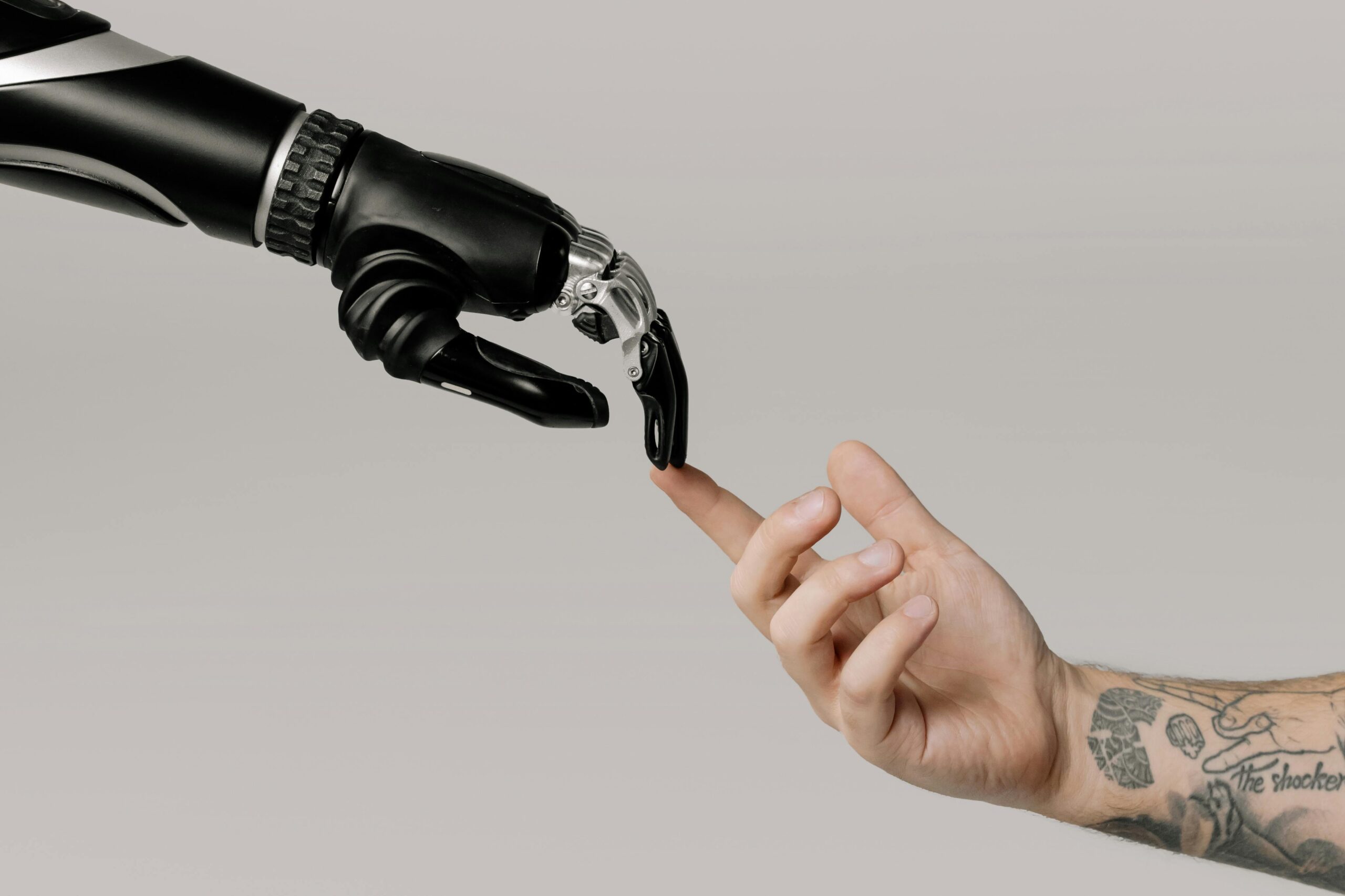
In today’s rapidly evolving digital landscape, the fusion of human creativity and artificial intelligence is revolutionizing how we work, creating unprecedented opportunities for productivity and innovation.

🚀 The Dawn of Hybrid Intelligence in Modern Workplaces
Hybrid intelligence represents a transformative approach to work that leverages the unique strengths of both human cognition and machine learning capabilities. Unlike traditional automation that simply replaces human tasks, hybrid intelligence creates a symbiotic relationship where humans and AI systems collaborate to achieve outcomes neither could accomplish alone. This partnership is rapidly becoming the cornerstone of competitive advantage across industries, from healthcare and finance to creative industries and manufacturing.
The concept goes beyond mere tool usage. It’s about creating workflows where artificial intelligence handles data-intensive, repetitive, and computational tasks while humans focus on strategic thinking, emotional intelligence, creative problem-solving, and ethical decision-making. This division of labor maximizes the potential of both parties, leading to exponential improvements in efficiency and output quality.
Understanding the Core Components of Hybrid Intelligence Systems
To master hybrid intelligence workflows, we must first understand their fundamental building blocks. These systems comprise three essential elements that work in concert to create seamless collaboration between human and artificial intelligence.
The Human Element: Irreplaceable Cognitive Strengths
Human intelligence brings contextual understanding, emotional awareness, ethical reasoning, and creative thinking to the table. These capabilities remain difficult or impossible for AI to replicate authentically. Humans excel at understanding nuance, reading between the lines, adapting to unprecedented situations, and making judgment calls based on values and principles. Our ability to form genuine relationships, demonstrate empathy, and navigate complex social dynamics remains uniquely valuable in hybrid workflows.
Moreover, humans provide the critical oversight necessary to ensure AI systems operate within acceptable parameters. We set goals, define success metrics, and make final decisions on matters requiring accountability. This supervisory role becomes increasingly important as AI systems handle more sophisticated tasks.
The AI Component: Computational Powerhouse
Artificial intelligence excels at processing vast amounts of data at speeds impossible for humans. Machine learning algorithms can identify patterns across millions of data points, make predictions based on historical trends, automate repetitive tasks with perfect consistency, and operate 24/7 without fatigue. These capabilities make AI an invaluable partner in workflows requiring data analysis, pattern recognition, or high-volume processing.
Modern AI systems can handle natural language processing, image recognition, predictive analytics, and even generate content based on learned patterns. When properly integrated into workflows, these capabilities free human workers from tedious tasks and provide insights that inform better decision-making.
The Integration Layer: Where Magic Happens ✨
The most critical yet often overlooked component is the integration layer—the interfaces, protocols, and workflows that enable smooth collaboration between humans and AI. This includes intuitive user interfaces, clear feedback mechanisms, robust data pipelines, and well-designed handoff procedures. Without effective integration, even the most powerful AI tools and skilled human workers cannot achieve true synergy.
Designing Workflows That Amplify Both Human and Machine Strengths
Creating effective hybrid intelligence workflows requires thoughtful design that considers the strengths and limitations of both human and artificial intelligence. The goal is to structure processes where each party handles tasks best suited to their capabilities.
Identifying Tasks for Optimal Distribution
The first step in workflow optimization is conducting a thorough task analysis. Evaluate each component of your current workflows and categorize tasks based on whether they require human judgment, can be automated, or benefit from hybrid collaboration. Data entry, pattern recognition in large datasets, initial content drafts, and routine calculations typically suit AI automation. Strategic planning, relationship building, creative conceptualization, and ethical decision-making should remain human-led.
However, the most interesting category comprises tasks that benefit from collaboration. For example, market research combines AI’s ability to gather and analyze vast amounts of data with human expertise in interpreting findings within business context. Content creation works well when AI generates initial drafts that humans refine with creativity and brand voice. Customer service excels when AI handles routine inquiries while escalating complex or sensitive issues to human representatives.
Creating Seamless Handoff Points
Smooth transitions between human and AI work segments are crucial for maintaining workflow efficiency. Design clear triggers that determine when tasks move from AI to human handling or vice versa. These might include confidence thresholds (AI escalates when certainty falls below a specified level), complexity markers (specific keywords or situations automatically route to humans), or time-based transitions (routine tasks handled by AI, with human review at scheduled intervals).
Documentation at handoff points should be comprehensive yet concise. When AI passes work to humans, it should provide context, data summaries, and recommended actions. When humans delegate to AI, clear instructions, parameters, and success criteria ensure optimal results.
💡 Practical Applications Across Different Industries
Hybrid intelligence workflows are transforming productivity across virtually every sector. Understanding real-world applications helps illustrate the practical potential of these systems.
Healthcare: Diagnostic Precision Meets Human Care
In medical settings, AI systems analyze diagnostic images, patient histories, and research databases to identify patterns and suggest potential diagnoses. Physicians then apply their clinical experience, patient relationship knowledge, and ethical judgment to make final diagnostic and treatment decisions. This combination leads to more accurate diagnoses while preserving the essential human element of patient care.
AI can monitor patient vitals in real-time, alerting medical staff to concerning changes before they become critical. It can also manage appointment scheduling, insurance verification, and routine follow-ups, freeing healthcare professionals to focus on direct patient care.
Financial Services: Risk Assessment Enhanced by Human Wisdom
Financial institutions use AI to analyze market trends, assess credit risk, detect fraudulent transactions, and optimize investment portfolios. However, human financial advisors provide personalized guidance based on individual client circumstances, risk tolerance, and life goals. They also handle sensitive conversations about financial difficulties and make judgment calls on borderline lending decisions where strict algorithms might produce unfair outcomes.
Creative Industries: Inspiration Amplified by Technology
Content creators, designers, and marketers increasingly use AI tools to generate initial concepts, variations, or data-driven insights. Human creativity then refines these outputs, ensuring they resonate emotionally, align with brand identity, and meet strategic objectives. This collaboration accelerates creative workflows without sacrificing the human touch that makes content engaging and authentic.
Implementing Hybrid Intelligence: A Strategic Roadmap
Successfully integrating hybrid intelligence workflows requires careful planning and systematic implementation. Organizations that approach this transformation strategically achieve better results with fewer disruptions.
Phase One: Assessment and Planning
Begin by auditing current workflows to identify bottlenecks, repetitive tasks, and areas where decisions would benefit from enhanced data analysis. Engage team members in this process—those performing the work daily often have the best insights into improvement opportunities. Assess your existing technological infrastructure to determine what AI tools can integrate with current systems.
Set clear objectives for your hybrid intelligence implementation. Are you primarily seeking to reduce costs, improve accuracy, increase output volume, or enhance employee satisfaction by eliminating tedious tasks? Different goals require different approaches and success metrics.
Phase Two: Tool Selection and Integration
Choose AI tools that align with your specific needs and integrate well with existing systems. Prioritize solutions with strong APIs, good documentation, and active support communities. Consider starting with established platforms that offer proven reliability rather than cutting-edge but untested technologies.
During integration, work closely with both technical teams and end users. Technical staff ensure systems communicate properly and data flows securely, while end users provide feedback on interface design and practical usability. Pilot programs in limited areas allow you to identify and resolve issues before full-scale deployment.
Phase Three: Training and Change Management 📚
Invest heavily in training programs that help team members understand both the technical aspects of new tools and the strategic rationale behind workflow changes. Address concerns openly—many workers fear AI will replace them. Emphasize how hybrid intelligence enhances their capabilities and allows them to focus on more meaningful, engaging work.
Create champions within your organization who understand the systems deeply and can assist colleagues. Establish feedback mechanisms that allow continuous improvement based on user experiences. Change management is not a one-time event but an ongoing process as systems evolve and new capabilities emerge.
Overcoming Common Challenges in Hybrid Workflows
Even well-designed hybrid intelligence systems encounter obstacles. Anticipating common challenges and preparing solutions ensures smoother implementation and operation.
Trust and Verification Issues
Many workers initially distrust AI recommendations, either over-relying on them without critical thinking or dismissing them without consideration. Build appropriate trust through transparency about how AI systems make decisions and validation processes that demonstrate their accuracy. Encourage healthy skepticism—AI should inform decisions, not make them unilaterally in critical situations.
Implement verification protocols where AI outputs undergo human review, especially in high-stakes situations. Over time, as systems prove reliable, you can adjust verification intensity based on confidence levels and task criticality.
Data Quality and Bias Concerns
AI systems are only as good as the data they learn from. Poor data quality produces unreliable outputs, while biased training data perpetuates or amplifies existing inequities. Establish rigorous data governance practices that ensure accuracy, completeness, and representativeness. Regularly audit AI decisions for potential bias, particularly in sensitive areas like hiring, lending, or law enforcement.
Create diverse teams to design and oversee AI systems—different perspectives help identify potential blind spots and biases that homogeneous groups might miss.
Maintaining Human Skills and Judgment
As AI handles more routine tasks, workers must maintain their foundational skills and judgment. The phenomenon of “automation complacency” occurs when humans become over-reliant on AI assistance and lose the ability to perform tasks manually or recognize when AI outputs are incorrect. Build regular manual checks and skill maintenance exercises into workflows to prevent capability erosion.
⚡ Measuring Success: Key Performance Indicators for Hybrid Intelligence
Effective measurement ensures your hybrid intelligence workflows deliver intended benefits and helps identify areas for improvement.
Quantitative Metrics
Track productivity improvements through metrics like task completion time, output volume, error rates, and cost per transaction. Compare these figures to pre-implementation baselines to demonstrate concrete value. Monitor AI system performance through accuracy rates, false positive/negative rates, processing speed, and uptime reliability.
Qualitative Indicators
Numbers alone don’t tell the complete story. Survey employees about job satisfaction, perceived value of AI tools, and concerns about implementation. Assess customer satisfaction through feedback scores, complaint rates, and retention metrics. Evaluate decision quality by reviewing outcomes of AI-assisted versus purely human decisions in comparable scenarios.
Continuous Optimization
Use collected data to continuously refine workflows. Machine learning models should be retrained regularly with new data to maintain accuracy. Human processes should evolve based on user feedback and changing business needs. The most successful hybrid intelligence implementations view optimization as an ongoing journey rather than a destination.
The Future Landscape: Emerging Trends in Hybrid Intelligence 🔮
As technology advances, hybrid intelligence workflows will become increasingly sophisticated. Understanding emerging trends helps organizations prepare for coming changes and maintain competitive advantage.
Natural language interfaces are making AI tools more accessible to non-technical users, democratizing access to advanced capabilities. Explainable AI systems that can articulate their reasoning processes will build greater trust and enable more effective human oversight. Edge computing will enable real-time hybrid intelligence in environments with limited connectivity, from manufacturing floors to remote field operations.
Augmented reality interfaces will create new modalities for human-AI collaboration, overlaying AI-generated insights onto physical environments. Emotional AI that can recognize and respond to human emotional states will enable more nuanced interactions, particularly in customer service and healthcare applications.
Building a Culture That Embraces Hybrid Intelligence
Technology alone doesn’t determine success—organizational culture plays an equally critical role. Companies that thrive with hybrid intelligence workflows cultivate specific cultural attributes.
Foster curiosity and continuous learning. Encourage experimentation with new tools and approaches while accepting that not every experiment will succeed. Celebrate learning from failures rather than punishing them. Promote collaboration between technical and non-technical staff, breaking down silos that prevent effective hybrid system design.
Maintain ethical awareness as a core value. As AI capabilities expand, ethical considerations become increasingly complex. Organizations with strong ethical foundations make better decisions about appropriate AI applications and safeguards against misuse.
Prioritize human development alongside technological advancement. Invest in training programs that help employees develop skills that complement rather than compete with AI capabilities. Critical thinking, emotional intelligence, ethical reasoning, and creative problem-solving become increasingly valuable in AI-augmented environments.

🎯 Maximizing Your Hybrid Intelligence Journey
The path to mastering hybrid intelligence workflows requires commitment, strategic thinking, and willingness to adapt. Start with clear objectives aligned with your organizational goals. Choose appropriate tools that fit your specific needs rather than chasing trendy technologies. Invest deeply in training and change management to ensure team members understand and embrace new workflows.
Design systems with appropriate human oversight, particularly for high-stakes decisions. Build verification mechanisms that catch errors before they cause significant problems. Measure results consistently using both quantitative and qualitative metrics, using insights to drive continuous improvement.
Remember that hybrid intelligence is not about replacing humans with machines but about creating partnerships that amplify the strengths of both. When properly implemented, these workflows free humans from tedious, repetitive tasks and provide them with insights and capabilities that enhance their decision-making. The result is work that is more productive, more satisfying, and more impactful.
As artificial intelligence continues advancing at an accelerating pace, the organizations that thrive will be those that most effectively integrate human and machine intelligence. By understanding the principles outlined here and applying them thoughtfully to your specific context, you can position yourself and your organization at the forefront of this transformation, maximizing efficiency while preserving the irreplaceable value of human insight, creativity, and judgment.