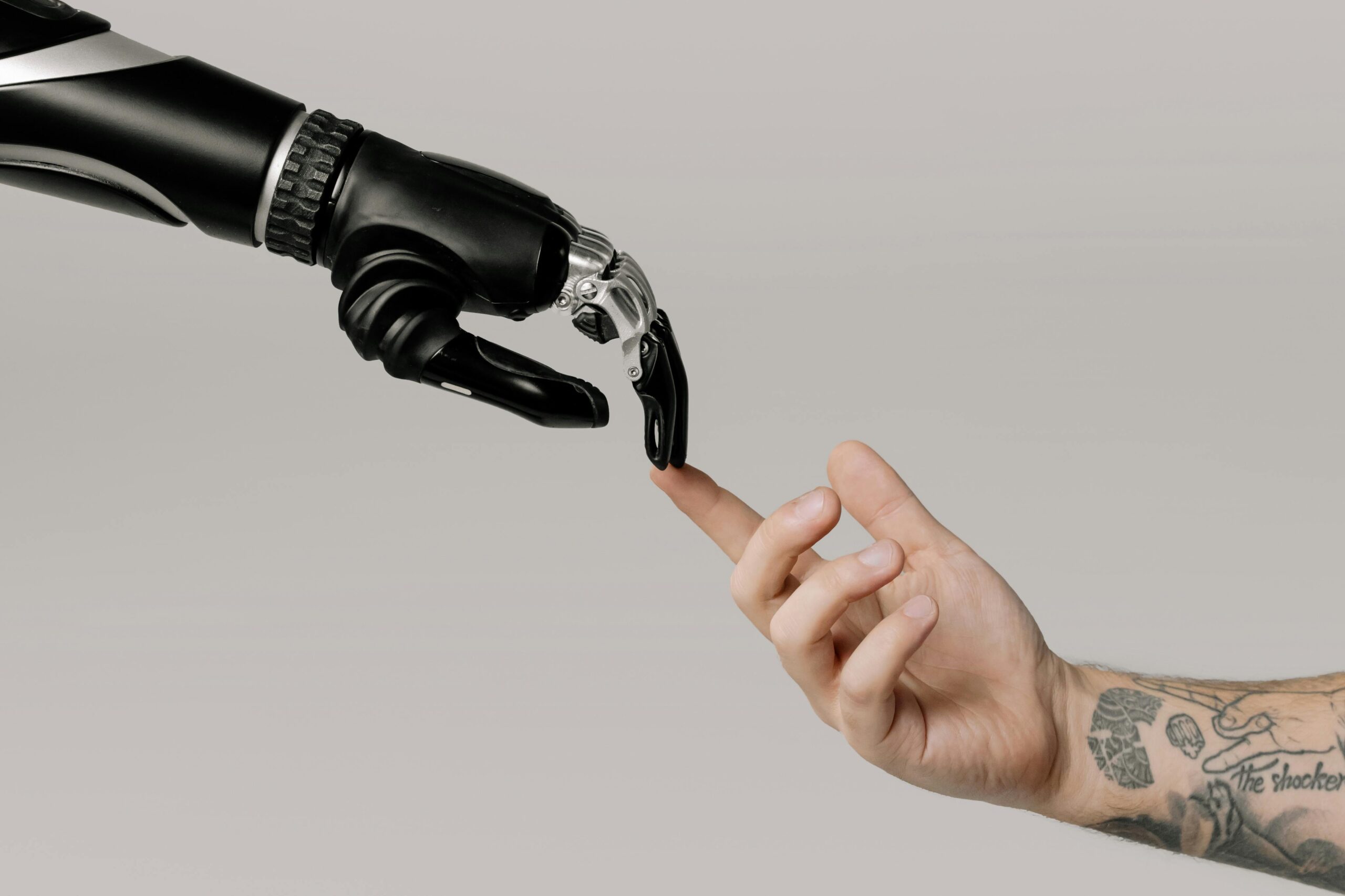
Your brain holds extraordinary untapped potential waiting to be unlocked through the revolutionary combination of artificial intelligence and neural plasticity science. 🧠✨

For centuries, humans believed that cognitive abilities were fixed—that we were born with a certain level of intelligence and memory capacity that remained largely unchanged throughout life. Modern neuroscience has shattered this myth, revealing that our brains are remarkably malleable organs capable of continuous transformation. Now, with artificial intelligence entering the equation, we’re standing at the threshold of a cognitive revolution that promises to accelerate learning and enhance memory like never before.
The convergence of AI technology with our understanding of neural plasticity represents one of the most exciting frontiers in personal development and education. This article explores how you can harness these powerful tools to supercharge your cognitive performance, whether you’re a student seeking academic excellence, a professional expanding your skill set, or simply someone committed to lifelong learning and mental fitness.
🔬 Understanding Neural Plasticity: Your Brain’s Superpower
Neural plasticity, also known as neuroplasticity or brain plasticity, refers to the brain’s ability to reorganize itself by forming new neural connections throughout life. This remarkable capability allows neurons in the brain to compensate for injury, adjust their activities in response to new situations, and change in response to learning experiences.
Every time you learn something new—whether it’s a language, a skill, or a concept—your brain physically changes. Synapses strengthen or weaken, new neural pathways form, and existing connections become more efficient. This process happens at multiple levels, from molecular changes at individual synapses to large-scale cortical remapping.
The key factors that influence neural plasticity include repetition, emotional engagement, focused attention, novelty, and the timing of learning experiences. Understanding these factors helps us design more effective learning strategies that align with how our brains naturally evolve and adapt.
The Science Behind Brain Transformation
Research from leading neuroscience institutions has demonstrated that the adult brain is far more plastic than previously imagined. Studies using advanced neuroimaging techniques show that even in older adults, intensive learning can lead to measurable structural changes in the brain within weeks.
When you engage in deliberate practice and focused learning, your brain increases production of brain-derived neurotrophic factor (BDNF), a protein that supports the survival of existing neurons and encourages the growth of new ones. This biological response creates the foundation for enhanced memory consolidation and faster skill acquisition.
🤖 How Artificial Intelligence Amplifies Brain Training
Artificial intelligence brings unprecedented precision and personalization to the process of cognitive enhancement. Traditional learning methods follow a one-size-fits-all approach, but AI systems can analyze your unique learning patterns, identify weaknesses, and adapt content delivery in real-time to optimize your neural development.
Machine learning algorithms can process vast amounts of data about your performance, attention patterns, response times, and retention rates. This analysis enables AI systems to predict which learning techniques will be most effective for your specific cognitive profile and adjust difficulty levels to maintain optimal challenge—not too easy to cause boredom, not too difficult to cause frustration.
Personalized Learning Pathways
AI-powered platforms create dynamic learning experiences that evolve with you. Unlike static textbooks or pre-recorded courses, these intelligent systems continuously refine their approach based on your progress. If you’re struggling with a particular concept, the AI introduces alternative explanations, varied examples, or complementary materials until comprehension clicks.
This personalization extends beyond content selection to timing optimization. AI systems can identify your peak cognitive performance windows throughout the day and schedule intensive learning sessions accordingly. They can also determine optimal spacing intervals for review sessions, leveraging the spacing effect—a cognitive phenomenon where information is better retained when learning sessions are spaced out over time.
💡 Practical Strategies for AI-Enhanced Learning
Harnessing AI for neural plasticity isn’t about passively consuming technology—it requires active engagement with strategic tools and techniques. Here’s how to effectively combine AI capabilities with brain science principles for maximum cognitive gains.
Spaced Repetition with Intelligent Algorithms
One of the most powerful applications of AI in learning involves spaced repetition systems (SRS). These platforms use sophisticated algorithms to determine exactly when you should review information for optimal retention. By presenting material just before you’re likely to forget it, SRS systems strengthen neural pathways efficiently.
The AI continuously refines its predictions based on your individual forgetting curve—the rate at which you lose information over time. This personalized approach ensures you spend time reviewing what you’re about to forget while avoiding unnecessary repetition of well-established knowledge.
Adaptive Cognitive Training Games
AI-powered brain training applications adjust difficulty dynamically to keep you in what psychologists call the “zone of proximal development”—the sweet spot where tasks are challenging enough to promote growth but not so difficult that they become discouraging. This constant calibration maximizes neuroplastic changes by maintaining optimal cognitive load.
These applications target specific cognitive domains including working memory, processing speed, attention control, and cognitive flexibility. The AI tracks performance across different domains and focuses training on areas where you’ll see the greatest improvement, creating a personalized cognitive workout routine.
Natural Language Processing for Language Acquisition
AI-powered language learning platforms leverage natural language processing to provide contextual feedback and simulate realistic conversations. These systems analyze pronunciation, grammar, vocabulary usage, and conversational flow, offering immediate, specific feedback that accelerates language acquisition.
The AI adapts to your proficiency level, introducing new vocabulary and grammatical structures at the optimal pace. By engaging multiple neural systems—auditory processing, speech production, reading comprehension, and contextual understanding—these platforms create rich, multisensory experiences that strengthen language-related neural networks.
🎯 Optimizing Memory Formation with Technology
Memory isn’t a single process but involves multiple systems working together to encode, store, and retrieve information. AI tools can enhance each stage of memory formation by aligning with the brain’s natural mechanisms.
Encoding Enhancement Through Multimodal Learning
The brain encodes memories more effectively when information arrives through multiple sensory channels simultaneously. AI-enhanced learning platforms create multimodal experiences that engage visual, auditory, and kinesthetic processing simultaneously, creating richer, more retrievable memory traces.
For example, an AI tutor might present a historical concept through interactive visualizations, narrated explanations, and problem-solving exercises that require physical interaction. This multisensory approach activates broader neural networks, creating multiple retrieval pathways for the same information.
Consolidation Support Through Sleep Tracking
Memory consolidation—the process of transforming short-term memories into long-term storage—occurs primarily during sleep. AI-powered sleep tracking devices monitor your sleep architecture and can provide insights into whether you’re getting sufficient deep sleep and REM sleep for optimal memory consolidation.
Some advanced systems even use audio cues during specific sleep stages to reactivate recently learned information, a technique called targeted memory reactivation (TMR). Research suggests this approach can strengthen memories without conscious awareness, essentially allowing you to study while you sleep.
🌟 Creating Your AI-Enhanced Learning Environment
Maximizing the benefits of AI-enhanced neural plasticity requires more than just using the right apps—it involves creating an ecosystem that supports cognitive development at multiple levels.
Building Your Technology Stack
Different AI tools serve different purposes in cognitive enhancement. A comprehensive approach might include:
- Spaced repetition platforms for knowledge retention and recall improvement
- Adaptive learning applications targeting specific cognitive skills
- AI writing assistants that provide feedback on communication and critical thinking
- Mind mapping software with intelligent suggestion algorithms for organizing complex information
- Meditation and focus applications using biofeedback and AI-guided protocols
- Sleep optimization tools that track and improve restorative rest quality
The key is selecting tools that complement each other rather than creating redundancy. Your technology stack should address different aspects of cognitive performance while maintaining a sustainable, non-overwhelming routine.
Balancing Digital and Analog Practices
While AI tools offer powerful advantages, cognitive science shows that certain analog practices remain valuable for neural development. Handwriting notes, for instance, engages different neural pathways than typing and often leads to better conceptual understanding and retention.
The optimal approach integrates AI capabilities with traditional learning methods. Use AI to identify knowledge gaps and optimize review schedules, but also engage in physical writing, face-to-face discussions, and hands-on practice. This hybrid approach activates the broadest possible range of neural networks, maximizing plasticity.
📊 Measuring Your Cognitive Progress
One of AI’s greatest contributions to personal cognitive development is the ability to track progress with unprecedented precision. Unlike subjective impressions of improvement, AI-powered analytics provide objective data about your cognitive trajectory.
Key Performance Indicators
Modern cognitive training platforms track numerous metrics that reflect different aspects of brain function:
- Reaction time improvements indicating enhanced processing speed
- Accuracy rates across different task types showing skill consolidation
- Consistency scores reflecting cognitive stability and focus capacity
- Transfer effects measuring whether gains in training tasks translate to real-world performance
- Learning velocity indicating how quickly you acquire new skills
By monitoring these metrics over time, you can identify which training approaches yield the greatest returns and adjust your routine accordingly. The AI helps interpret these data points, highlighting trends and suggesting strategic adjustments.
🚀 Advanced Techniques for Accelerated Learning
Once you’ve established foundational practices, several advanced techniques can further accelerate your cognitive development by leveraging AI capabilities in sophisticated ways.
Interleaved Practice Optimization
Interleaved practice—mixing different types of problems or skills within a single study session—promotes better long-term retention and transfer than blocked practice (focusing on one type at a time). However, finding the optimal interleaving pattern is challenging.
AI systems can analyze your performance data to determine the ideal balance of interleaving for your current skill level and learning goals. The algorithms adjust the mixture dynamically, introducing more variation as your competence grows, keeping your brain in a state of productive challenge that drives neuroplastic adaptation.
Metacognitive Development Through AI Feedback
Metacognition—thinking about your own thinking—is a powerful predictor of learning success. AI tutors provide detailed feedback not just on whether your answers are correct, but on your problem-solving approach, reasoning patterns, and strategic choices.
This feedback helps you develop awareness of your cognitive processes, identifying effective strategies worth repeating and ineffective approaches to abandon. Over time, this metacognitive development allows you to become a more self-directed, efficient learner.
🌐 The Future of AI-Enhanced Cognition
The intersection of AI and neuroscience is rapidly evolving, with emerging technologies promising even more powerful tools for cognitive enhancement in the near future.
Brain-computer interfaces are moving beyond research labs into consumer applications, potentially allowing direct feedback between AI systems and neural activity. Imagine software that adjusts lesson difficulty based on real-time measurement of your cognitive load, or applications that provide optimal information pacing synchronized with your attention fluctuations.
Virtual and augmented reality platforms powered by AI will create immersive learning environments that engage spatial memory systems and embodied cognition in ways traditional screen-based interfaces cannot. These technologies could make abstract concepts concrete and memorable by anchoring them to rich sensory experiences.
Personalized nootropic recommendations based on AI analysis of your genetics, lifestyle factors, and cognitive performance patterns may become standard practice, allowing chemical optimization of neurotransmitter systems to complement training-induced plasticity.
🔑 Essential Principles for Sustainable Cognitive Enhancement
As you embark on your journey of AI-enhanced cognitive development, certain principles will help ensure your efforts are sustainable, effective, and aligned with long-term brain health.
Consistency Trumps Intensity
Neural plasticity requires time and repetition. Brief, daily engagement with cognitive training is far more effective than occasional marathon sessions. AI systems excel at helping you maintain consistency by making practice convenient, engaging, and appropriately challenging.
Physical Health Foundations
No amount of AI-assisted brain training can compensate for poor physical health. Neuroplasticity depends on adequate sleep, regular exercise, proper nutrition, and stress management. Use AI tools to optimize these foundational factors—sleep trackers, fitness apps, nutrition planners—recognizing that cognitive enhancement is inseparable from whole-body wellness.
Challenge with Support
Optimal learning occurs when you’re challenged beyond your comfort zone but have sufficient support to avoid overwhelming frustration. AI systems provide this balance automatically, but you should also cultivate a growth mindset that embraces difficulty as necessary for development rather than evidence of inadequacy.
Varied Mental Stimulation
While focused training on specific skills is valuable, comprehensive cognitive health requires diverse mental stimulation. Read widely, engage with different types of problems, learn new skills outside your comfort zone, and maintain rich social interactions. AI can help organize and optimize this variety, but shouldn’t create narrow, repetitive training routines.
🎓 Transforming Your Learning Journey Today
The tools and knowledge to unlock your brain’s potential through AI-enhanced neural plasticity are available right now. You don’t need expensive equipment or specialized expertise—just commitment to consistent practice and strategic use of accessible technologies.
Begin by assessing your current cognitive goals. Are you learning a new language? Preparing for professional certification? Trying to maintain mental sharpness as you age? Different objectives benefit from different combinations of AI tools and training approaches.
Start small with one or two applications that address your primary goals. Master their use, establish consistent routines, and gradually expand your toolkit as you develop sustainable habits. Remember that the goal isn’t to spend hours daily on cognitive training, but to integrate brief, effective sessions into your lifestyle in ways that feel enriching rather than burdensome.
Track your progress objectively using the analytics these platforms provide. Celebrate improvements, but also view plateaus and setbacks as information rather than failures. Your brain’s development isn’t linear—consolidation periods where performance seems static are often when the deepest learning is occurring beneath conscious awareness.
The revolution in cognitive enhancement through AI and neuroscience represents an opportunity available to anyone willing to engage with it thoughtfully. Your brain’s capacity for growth doesn’t diminish with age—it simply requires the right stimulation and support. By harnessing AI-enhanced approaches to neural plasticity, you’re not just learning faster or remembering better; you’re actively participating in your own cognitive evolution, sculpting your brain into an increasingly powerful instrument for navigating our complex, information-rich world. 🌟
The future of learning isn’t about replacing human intelligence with artificial intelligence—it’s about augmenting our natural capabilities with tools that understand and optimize how our brains actually work. Start your journey today, and discover cognitive capacities you never knew you possessed.