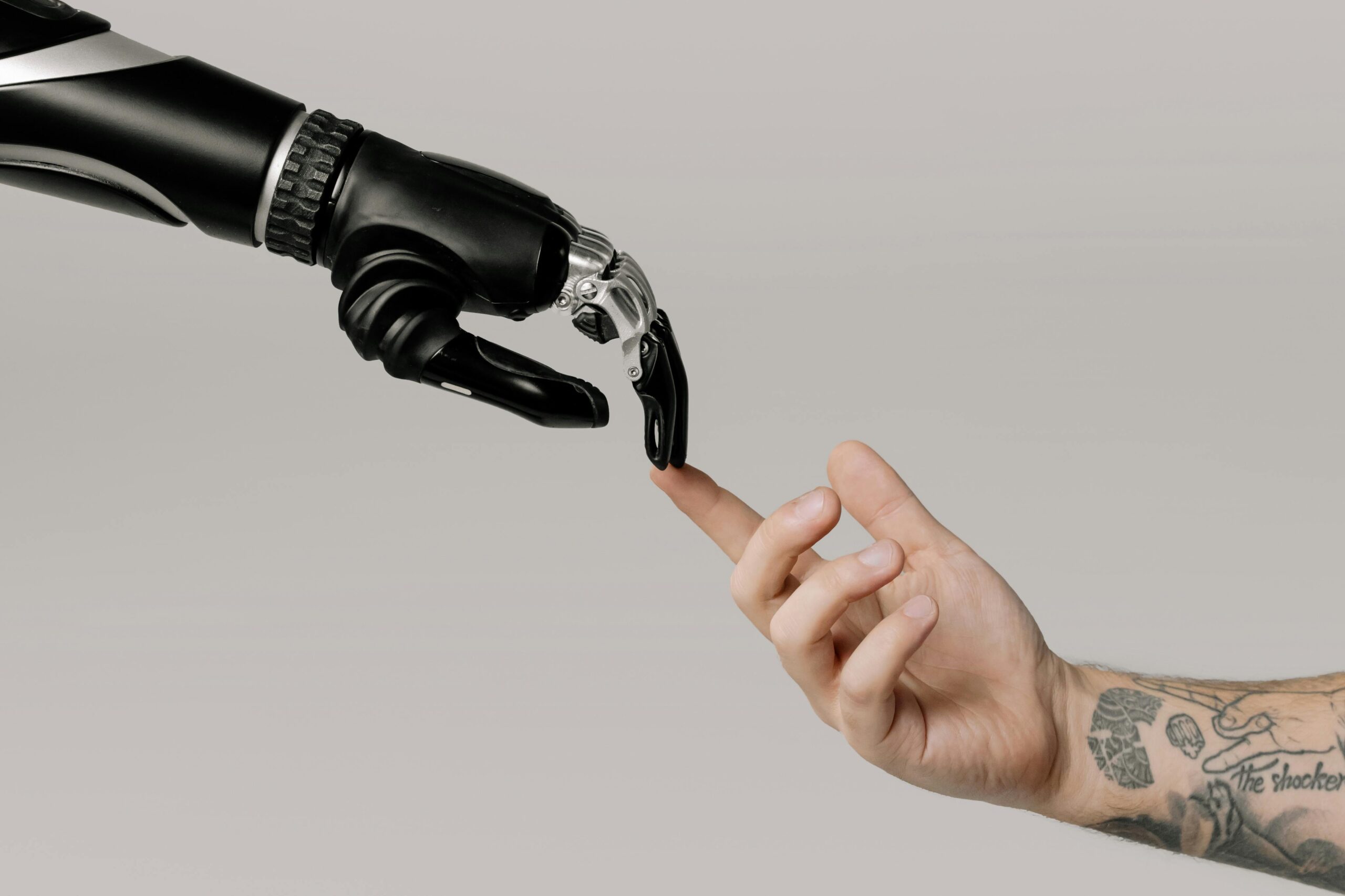
Artificial intelligence is no longer a futuristic concept—it’s reshaping how millions of people with disabilities interact with technology, creating unprecedented opportunities for independence and participation in digital spaces.

🌟 The Dawn of a New Era in Accessible Technology
For decades, technology development followed a one-size-fits-all approach that inadvertently excluded millions of users with diverse abilities. Traditional design paradigms prioritized aesthetics and functionality for the majority, often treating accessibility as an afterthought or a compliance checkbox. This mindset created digital barriers that prevented people with visual, auditory, motor, or cognitive impairments from fully participating in the digital revolution.
Today, we’re witnessing a fundamental shift. Accessibility-driven AI design places inclusive principles at the core of technology development, recognizing that creating solutions for people with disabilities often results in innovations that benefit everyone. This paradigm shift isn’t just about compliance with regulations like the Americans with Disabilities Act or Web Content Accessibility Guidelines—it’s about reimagining what technology can achieve when designed with human diversity in mind.
The statistics are compelling: approximately 15% of the world’s population—over one billion people—experience some form of disability. As populations age globally, this number continues to grow. By 2050, experts estimate that two billion people will require assistive technologies. The imperative for accessible design isn’t merely ethical; it’s economical and essential for sustainable technological advancement.
Breaking Down Visual Barriers Through Intelligent Systems 👁️
Artificial intelligence has fundamentally transformed how people with visual impairments navigate digital and physical environments. Computer vision technologies powered by deep learning algorithms can now interpret visual information with remarkable accuracy, translating images into detailed audio descriptions or tactile feedback.
Screen readers have evolved from simple text-to-speech converters into sophisticated AI assistants that understand context, describe complex layouts, and even interpret emotional nuances in images. Machine learning models trained on millions of images can identify objects, read handwritten text, recognize faces, and describe scenes with precision that was unimaginable just a few years ago.
Real-time navigation applications now leverage AI to provide turn-by-turn audio guidance, alerting users to obstacles, traffic patterns, and points of interest. These systems combine GPS data, accelerometer information, and computer vision to create comprehensive environmental awareness, effectively serving as digital guide companions.
Document accessibility has also experienced revolutionary improvements. Optical Character Recognition (OCR) powered by neural networks can extract text from photographs, PDFs, and even handwritten documents with over 99% accuracy in many languages. This technology enables independent access to printed materials, restaurant menus, street signs, and personal correspondence.
Color Recognition and Visual Enhancement
For individuals with color blindness or low vision, AI-driven applications can identify colors in real-time, adjust color contrasts dynamically, and enhance visual elements to improve readability. These adaptive systems learn user preferences and automatically optimize display settings across different applications and lighting conditions.
🔊 Revolutionizing Communication for the Deaf and Hard of Hearing
Speech recognition and natural language processing technologies have opened new communication channels for people with hearing impairments. Real-time transcription services powered by AI can convert spoken language into accurate text with minimal latency, enabling participation in conversations, meetings, and educational settings.
Modern captioning systems go beyond simple transcription. They identify different speakers, convey emotional tone, describe non-speech audio elements like music or ambient sounds, and even translate between languages simultaneously. This multi-dimensional approach creates richer, more contextual communication experiences.
Sign language recognition represents one of AI’s most exciting frontiers in accessibility. Computer vision algorithms can now interpret sign language gestures with increasing accuracy, translating them into spoken or written language in real-time. While still evolving, these systems promise to bridge communication gaps between signing and non-signing individuals without requiring human interpreters for routine interactions.
Video relay services have been enhanced by AI to provide better call quality, automatic noise cancellation, and intelligent routing to available interpreters. Some systems now offer AI-assisted interpretation that supports human interpreters by suggesting translations, maintaining conversation context, and reducing cognitive load during extended sessions.
Empowering Motor Independence Through Adaptive Interfaces 🖐️
For individuals with motor impairments, traditional input methods like keyboards, mice, and touchscreens present significant challenges. AI-driven adaptive interfaces are eliminating these barriers through alternative interaction paradigms that accommodate diverse physical capabilities.
Voice control systems have matured into powerful tools that allow complete device operation through spoken commands. Modern voice assistants understand natural language, learn individual speech patterns, and can execute complex multi-step tasks. For someone with limited hand mobility, voice control transforms a smartphone or computer from an inaccessible device into a fully functional tool for communication, work, and entertainment.
Eye-tracking technology combined with machine learning enables users to control devices through gaze direction. These systems calibrate to individual eye movements, predict intended targets, and provide confirmation mechanisms that prevent accidental selections. Eye-tracking interfaces now support typing, navigation, gaming, and creative applications with remarkable precision.
Brain-computer interfaces represent the frontier of adaptive technology. While still primarily in research and specialized medical contexts, AI-powered BCIs are beginning to translate neural signals into device commands, offering potential independence to individuals with severe motor disabilities.
Predictive Text and Intelligent Assistance
AI-powered predictive text systems reduce the physical effort required for communication by anticipating words, phrases, and sentences based on context and personal usage patterns. These systems learn individual communication styles, vocabulary preferences, and common phrases, becoming more efficient over time.
🧠 Supporting Cognitive Diversity and Neurodivergence
Cognitive and learning disabilities represent a diverse spectrum of conditions that affect information processing, attention, memory, and executive function. AI-driven accessibility tools are creating personalized support systems that adapt to individual cognitive profiles.
Reading assistance applications use natural language processing to simplify complex text, provide definitions and explanations, highlight key information, and adjust reading pace. These tools support individuals with dyslexia, ADHD, or processing disorders by reducing cognitive load and presenting information in formats optimized for comprehension.
Task management and executive function support systems leverage AI to break complex activities into manageable steps, provide timely reminders, adapt schedules based on performance patterns, and offer motivational reinforcement. These digital coaches help individuals with autism, ADHD, or executive function challenges navigate daily responsibilities more independently.
Emotion recognition technology, while controversial and requiring careful ethical implementation, can assist individuals with autism spectrum disorders in interpreting facial expressions and social cues. When designed transparently and with user consent, these tools provide real-time feedback that supports social interaction and communication.
Attention management systems use machine learning to identify distraction patterns, suggest optimal work environments, and implement evidence-based focus techniques. These applications support not only individuals with diagnosed attention disorders but anyone seeking to optimize cognitive performance in increasingly distracting digital environments.
🌐 Multilingual and Cultural Accessibility
Language barriers represent another form of accessibility challenge, particularly for individuals with disabilities who may rely on assistive technologies that don’t support their native languages. AI-powered translation systems are addressing this gap by providing real-time, context-aware translation across hundreds of languages.
These systems go beyond word-for-word translation to understand cultural context, idiomatic expressions, and domain-specific terminology. For individuals using assistive technologies, multilingual support means access to global information resources, cross-cultural communication, and participation in international communities.
Speech synthesis technologies now produce natural-sounding voices in diverse languages and regional accents, allowing users to select voices that reflect their cultural identity. This personalization creates more authentic communication experiences and supports cultural representation in assistive technologies.
Designing AI with Inclusive Principles from the Ground Up 🎨
The most impactful accessibility improvements emerge when inclusive design principles guide AI development from inception rather than being retrofitted later. This approach, often called “universal design,” creates technologies that accommodate the widest possible range of users without requiring adaptation or specialized features.
Inclusive AI design begins with diverse development teams that include people with disabilities as designers, engineers, and decision-makers rather than merely test subjects. This representation ensures that accessibility considerations inform fundamental architectural decisions rather than surface-level modifications.
Training data diversity represents a critical factor in creating accessible AI systems. Machine learning models trained exclusively on data from non-disabled users may perform poorly or create unintended barriers for people with disabilities. Inclusive datasets that represent diverse abilities, interaction patterns, and use cases produce more robust and equitable AI systems.
Key Principles of Accessibility-Driven AI Design
- Perceivability: Information must be presentable in multiple formats (visual, auditory, tactile) to accommodate different sensory abilities
- Operability: Interfaces should support diverse input methods including voice, touch, keyboard, switches, and assistive devices
- Understandability: Systems should communicate clearly, provide context, and avoid unnecessary complexity
- Robustness: Technologies must work reliably across diverse assistive technologies and user configurations
- Flexibility: AI systems should adapt to individual preferences, abilities, and contexts rather than requiring users to adapt
🏢 Enterprise Applications and Workplace Inclusion
Accessibility-driven AI design is transforming workplace inclusion by removing barriers that historically limited employment opportunities for people with disabilities. Enterprise software increasingly incorporates intelligent accessibility features that enable diverse teams to collaborate effectively.
Meeting and collaboration platforms now offer real-time transcription, translation, and captioning powered by AI, ensuring that team members with hearing impairments can fully participate. Screen reader compatibility and keyboard navigation support allow employees with visual or motor impairments to access productivity tools independently.
Recruitment and talent management systems enhanced with accessibility features help organizations identify and support diverse candidates. AI-powered resume screening can be designed to reduce bias and focus on skills and qualifications rather than traditional credential patterns that may disadvantage candidates with disabilities.
Training and development platforms leveraging AI can personalize learning experiences to accommodate different cognitive styles, provide alternative content formats, and adapt pacing to individual needs. This personalization supports continuous professional development for employees with diverse learning profiles.
📱 Consumer Applications Leading the Way
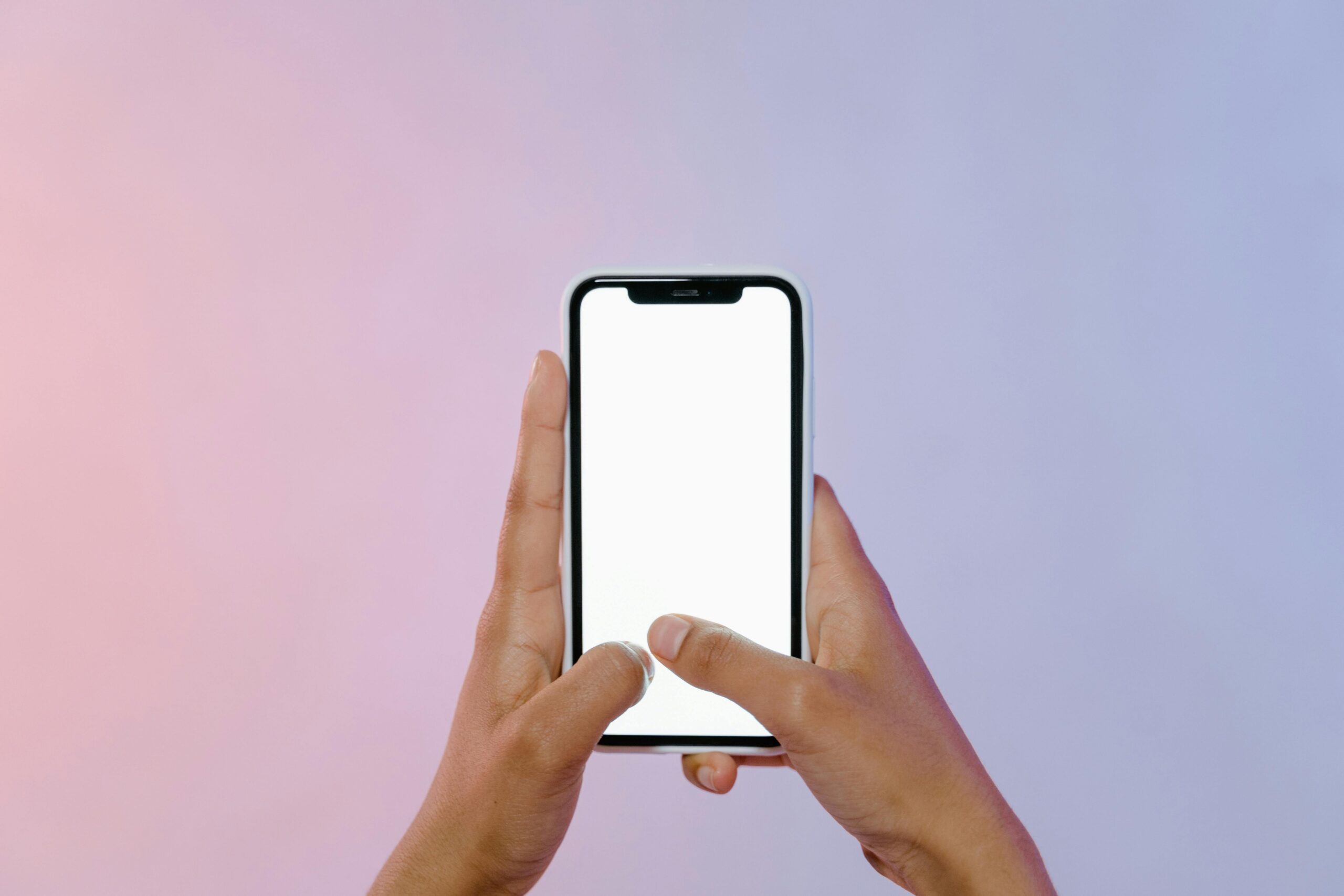
Major technology companies have increasingly prioritized accessibility in their consumer products, recognizing both the ethical imperative and market opportunity. Built-in accessibility features in smartphones, tablets, and computers now include sophisticated AI-powered tools that were unimaginable a decade ago.
Social media platforms have implemented automatic alt-text generation for images, video captioning, and content warnings for potentially sensitive material. These features, powered by computer vision and natural language processing, make social participation more accessible to millions of users.
Streaming services offer AI-enhanced audio descriptions for visual content, allowing viewers with visual impairments to enjoy films and television independently. These descriptions, increasingly generated or enhanced by AI, provide narrative context about visual elements, actions, and scene changes.
Gaming accessibility has experienced remarkable innovation, with AI enabling customizable difficulty adjustments, alternative control schemes, visual and audio enhancements, and even co-pilot features that provide assistance with challenging gameplay elements. These innovations make gaming accessible to players with diverse abilities while preserving challenge and engagement.
🔐 Privacy, Ethics, and User Autonomy
As AI-driven accessibility tools become more sophisticated, they often require access to sensitive personal information including health data, communication patterns, location history, and biometric information. Balancing functionality with privacy protection represents a critical challenge in accessibility technology development.
Ethical AI design for accessibility must prioritize user consent, data minimization, transparent processing, and user control over personal information. People with disabilities should not be forced to sacrifice privacy for accessibility; technologies must be designed to provide both.
Algorithmic bias represents another significant concern. AI systems trained on biased data may perpetuate or amplify existing inequities, potentially creating new barriers even while removing others. Continuous auditing, diverse training data, and inclusive testing protocols are essential to identify and mitigate bias in accessibility-focused AI systems.
User autonomy and agency must remain central to accessibility technology design. AI should augment human capabilities and decision-making rather than replacing them. Users should maintain control over when and how AI assistance is provided, with the ability to override or customize automated behaviors.
The Road Ahead: Emerging Technologies and Future Possibilities 🚀
The intersection of AI and accessibility continues to evolve rapidly, with emerging technologies promising even more transformative possibilities. Augmented reality systems combined with computer vision could provide real-time environmental information overlaid on physical spaces, creating enhanced navigation and object recognition capabilities.
Haptic feedback technologies are becoming more sophisticated, enabling tactile communication of visual information, spatial relationships, and abstract concepts. AI-driven haptic interfaces could transform how people with visual impairments interact with digital content and physical environments.
Personalized AI companions that learn individual needs, preferences, and communication styles over time promise to provide increasingly sophisticated assistance. These systems could serve as adaptive interfaces between users and complex technological environments, translating and simplifying interactions while respecting user autonomy.
Quantum computing may eventually enable real-time processing of complex accessibility tasks that currently require cloud connectivity, improving privacy and reducing latency for critical assistive functions. Edge AI processing on personal devices represents another pathway toward more private and responsive accessibility tools.

Building an Accessible Future Together 🤝
The revolution in accessibility-driven AI design represents more than technological progress—it reflects a fundamental shift in how we understand disability, diversity, and human potential. By placing accessibility at the center of innovation rather than the periphery, we create technologies that work better for everyone.
The journey toward truly inclusive technology requires ongoing collaboration between technologists, people with disabilities, policymakers, and civil society organizations. Standards and regulations play important roles, but the most meaningful progress emerges from genuine commitment to inclusive design principles and diverse representation in technology development.
Education and awareness remain critical challenges. Many developers, designers, and decision-makers lack familiarity with accessibility principles or personal connections to disability communities. Integrating accessibility education into technology training programs and fostering direct engagement between creators and users with diverse abilities can accelerate progress.
The economic case for accessibility continues to strengthen as populations age and awareness grows. Companies that prioritize accessible design access larger markets, demonstrate corporate responsibility, and often discover innovations with broad applications. Accessibility-driven design frequently leads to products that are more intuitive, flexible, and user-friendly for all customers.
As we look toward the future, the potential for AI to break down barriers and create genuinely inclusive technological experiences has never been greater. The tools, knowledge, and commitment exist to build a digital world where disability no longer limits access, participation, or opportunity. Achieving this vision requires sustained effort, inclusive practices, and recognition that accessibility benefits everyone—not as an accommodation, but as a fundamental principle of good design that honors human diversity in all its forms.