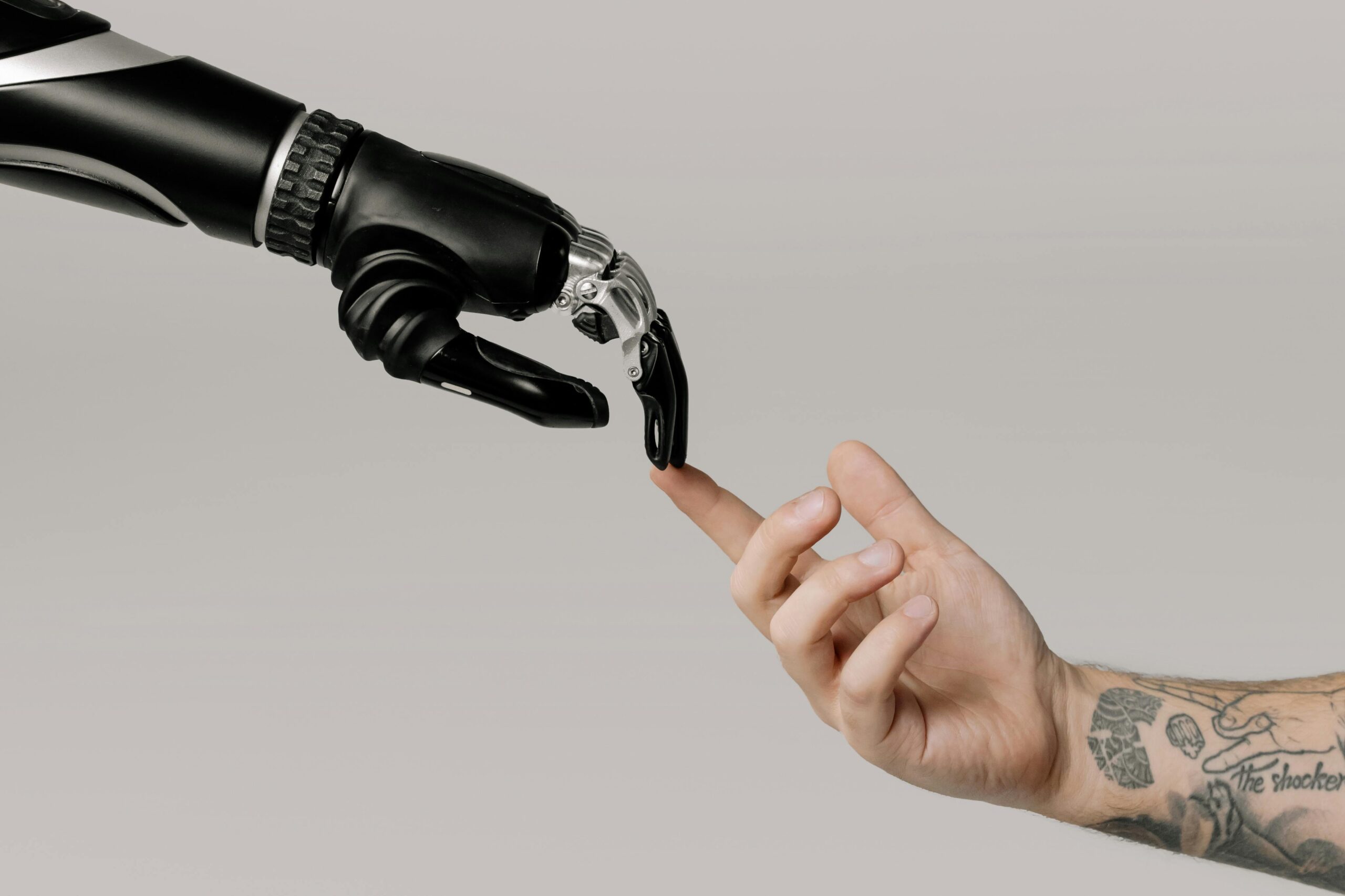
In our fast-paced world, finding mental peace has become increasingly challenging. Artificial intelligence now offers innovative solutions to help you reclaim calm and clarity in everyday life.

The intersection of technology and mental wellness represents one of the most promising developments of our digital age. As stress levels continue to rise globally, AI-powered tools are emerging as accessible, personalized companions on the journey toward emotional balance and psychological well-being. These intelligent systems can analyze patterns, provide immediate support, and adapt to your unique mental health needs in ways that were unimaginable just a decade ago.
The question is no longer whether technology can support mental health, but rather how we can best harness its potential. From meditation apps that learn your preferences to chatbots offering cognitive behavioral therapy techniques, AI is revolutionizing how we approach mental wellness. This transformation isn’t about replacing human connection or professional therapy—it’s about supplementing traditional approaches with accessible, on-demand support that fits seamlessly into modern life.
🧠 Understanding AI’s Role in Mental Wellness
Artificial intelligence in mental health applications operates on sophisticated algorithms designed to understand human behavior, emotions, and thought patterns. These systems utilize machine learning to process vast amounts of data, recognizing patterns that might indicate stress, anxiety, or mood fluctuations. By analyzing your interactions, sleep patterns, activity levels, and even linguistic choices, AI can provide insights into your mental state that you might not consciously recognize.
The beauty of AI-powered mental wellness tools lies in their ability to offer personalized experiences. Unlike one-size-fits-all approaches, these systems adapt to your specific needs, preferences, and progress over time. Whether you’re dealing with daily stress, managing anxiety, or simply seeking to maintain emotional balance, AI can tailor interventions and recommendations to match your current state and long-term goals.
What makes this technology particularly valuable is its availability. Mental health support is needed most during difficult moments—late at night, during a stressful commute, or when professional help isn’t immediately accessible. AI-powered tools provide that crucial bridge, offering coping strategies and emotional support precisely when you need them most.
💭 Practical Applications for Everyday Peace
The practical applications of AI for mental ease extend far beyond simple relaxation apps. Modern AI systems can engage in meaningful conversations, helping you process emotions and work through challenges using evidence-based therapeutic techniques. These digital companions employ natural language processing to understand context, emotion, and intent, responding with empathy and appropriate guidance.
Consider how AI can transform your daily routine. Smart scheduling algorithms can optimize your calendar to prevent overwhelm, suggesting breaks when they detect signs of burnout. Mood tracking applications use AI to identify triggers and patterns in your emotional landscape, helping you understand what situations, people, or activities impact your mental state most significantly.
Voice-activated AI assistants can guide you through breathing exercises when sensors detect elevated stress levels. Journaling apps powered by AI can analyze your written thoughts, identifying cognitive distortions and gently challenging negative thought patterns while encouraging healthy reframing techniques.
Personalized Meditation and Mindfulness
AI has revolutionized meditation and mindfulness practices by creating deeply personalized experiences. Traditional meditation apps offer generic guided sessions, but AI-powered platforms assess your stress levels, attention span, and progress to recommend specific practices that match your current needs and available time.
These intelligent systems can detect when your mind is wandering during meditation sessions and adjust guidance accordingly. They learn which instructors, music, duration, and meditation styles resonate most with you, continuously refining recommendations to maximize effectiveness and engagement.
🔍 AI-Powered Cognitive Behavioral Techniques
Cognitive Behavioral Therapy (CBT) has long been recognized as one of the most effective approaches to managing anxiety, depression, and stress. AI has made these powerful techniques more accessible through digital platforms that guide users through CBT exercises with personalized precision.
AI-driven CBT applications can identify thought patterns in your journaling or conversations, flagging cognitive distortions like catastrophizing, black-and-white thinking, or overgeneralization. Rather than simply pointing out these patterns, sophisticated AI systems engage you in Socratic questioning—a therapeutic technique that helps you examine the validity of negative thoughts and develop more balanced perspectives.
These platforms track your progress over time, celebrating improvements and identifying areas where you might need additional support or practice. The continuity of care that AI provides ensures that therapeutic techniques become integrated into daily life rather than confined to weekly sessions.
Building Emotional Intelligence Through AI
One unexpected benefit of AI mental wellness tools is their capacity to enhance emotional intelligence. By providing real-time feedback on your emotional state and helping you name and understand complex feelings, these systems strengthen your ability to recognize and regulate emotions independently.
AI can analyze your communication patterns—in text messages, emails, or social media—to provide insights about your emotional expression. Are you communicating assertively or aggressively? Do you tend to suppress emotions or express them constructively? This feedback helps develop greater self-awareness and interpersonal effectiveness.
🌟 Stress Detection and Prevention
Perhaps one of AI’s most valuable contributions to mental ease is its predictive capability. By continuously monitoring various indicators—from physiological data collected by wearables to behavioral patterns in your digital interactions—AI systems can detect mounting stress before it becomes overwhelming.
Imagine receiving a gentle notification suggesting a five-minute breathing exercise because your AI companion has detected increased heart rate variability, reduced sleep quality, and shorter, more tense communication patterns over the past few days. This proactive approach to stress management represents a significant shift from reactive coping to preventive wellness.
Advanced AI platforms integrate data from multiple sources: your smartwatch tracking sleep and activity, your calendar showing upcoming deadlines, your phone usage patterns indicating increased scrolling or decreased social connection. By synthesizing this information, AI creates a comprehensive picture of your stress landscape and intervenes before small stressors accumulate into serious problems.
Creating Sustainable Wellness Routines
Consistency is crucial for mental wellness, yet maintaining healthy routines proves challenging for many people. AI excels at behavior change support, using principles from psychology and neuroscience to help you build and maintain practices that promote peace of mind.
These systems don’t simply remind you to meditate or exercise—they optimize timing based on your schedule, energy patterns, and likelihood of follow-through. They adjust difficulty levels to keep activities challenging but not overwhelming, and they provide encouragement calibrated to your motivational style. Over time, AI helps transform intentional practices into automatic habits that support lasting mental ease.
💡 Choosing the Right AI Mental Wellness Tools
With the proliferation of AI-powered mental health applications, selecting the right tools requires careful consideration. Not all AI is created equal, and the quality, privacy practices, and evidence base supporting these applications vary significantly.
Look for applications developed with input from mental health professionals and backed by research demonstrating effectiveness. Transparency about how AI algorithms work and what data is collected should be standard. Privacy protection is paramount—your mental health information is deeply personal and must be safeguarded with robust security measures.
Consider what specific aspects of mental wellness you want to address. Are you primarily seeking stress reduction, anxiety management, mood tracking, sleep improvement, or general emotional balance? Different AI tools specialize in different areas, and selecting applications aligned with your goals ensures you receive relevant, effective support.
Integration With Professional Care
AI mental wellness tools work best as complements to, not replacements for, professional mental health care when needed. The most sophisticated AI systems recognize their limitations and can identify when issues require human professional intervention.
Many therapists now incorporate AI tools into treatment plans, using apps to extend therapeutic support between sessions. This integration creates continuity of care, allowing professionals to monitor progress through data collected by AI systems while patients benefit from on-demand support that reinforces therapeutic work.
If you’re currently working with a mental health professional, discuss AI tools with them. They may have specific recommendations or insights about how to integrate these technologies most effectively into your overall wellness strategy.
🚀 The Future of AI and Mental Peace
The field of AI-powered mental wellness continues to evolve rapidly, with emerging technologies promising even more sophisticated support. Virtual reality combined with AI creates immersive therapeutic environments for exposure therapy and stress reduction. Advances in natural language processing enable increasingly nuanced emotional understanding and response.
Future AI systems will likely offer even more seamless integration across devices and contexts, providing invisible support that adapts to your needs without requiring conscious engagement. Imagine AI that subtly adjusts lighting, music, and environmental conditions to support calm, or that facilitates connection with supportive friends when it detects you’re struggling.
The democratization of mental health support through AI represents a profound shift in accessibility. While challenges around privacy, ethics, and efficacy remain, the potential for AI to reduce suffering and promote psychological well-being is immense.
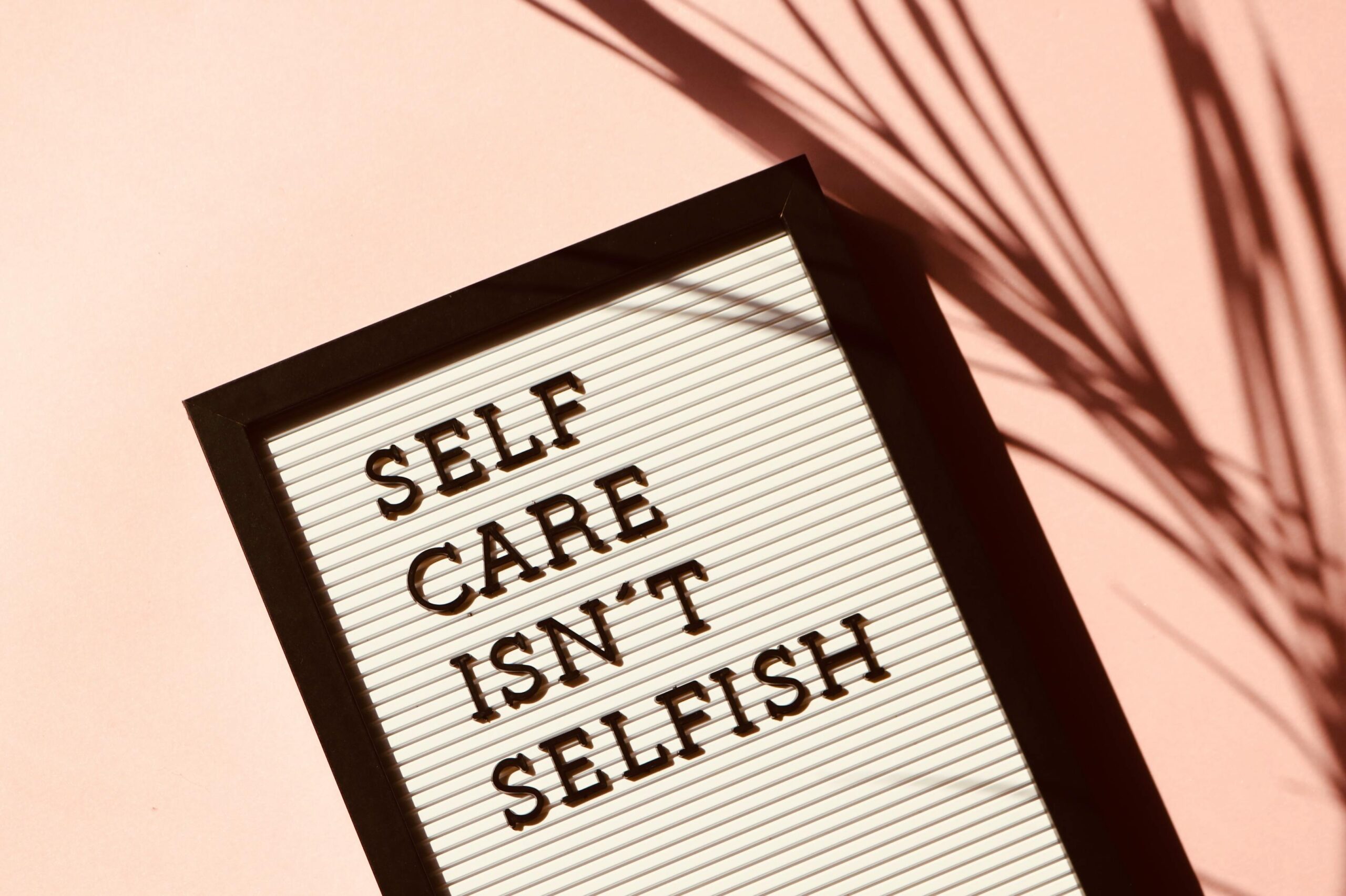
✨ Taking Your First Steps Toward AI-Enhanced Peace
Beginning your journey with AI mental wellness tools doesn’t require technical expertise or significant investment. Start small by exploring one application that addresses your most pressing need—whether that’s better sleep, stress reduction, or mood tracking.
Give new tools adequate time to learn your patterns and preferences. AI systems become more effective with use, so commit to consistent engagement for at least several weeks before evaluating effectiveness. Pay attention to how you feel—are you experiencing more moments of calm? Better emotional regulation? Improved self-awareness?
Remember that AI is a tool, not a magic solution. The most effective approach combines AI support with foundational wellness practices: adequate sleep, regular physical activity, meaningful social connection, and professional help when needed. AI amplifies and supports these fundamentals rather than replacing them.
Your mental peace matters, and you deserve access to every available resource that can support it. AI technology offers unprecedented opportunities to understand yourself better, develop healthier patterns, and navigate life’s challenges with greater ease. By thoughtfully integrating these tools into your wellness routine, you’re investing in your most valuable asset—your mental and emotional well-being.
The journey to lasting peace of mind is deeply personal, with unique challenges and pathways for each individual. AI’s adaptability and personalization make it an ideal companion on this journey, offering support that evolves with you. As you explore these technologies, approach them with curiosity and compassion for yourself, recognizing that seeking support—whether human or digital—is a sign of strength and wisdom.
Embrace the possibilities that AI offers while staying grounded in what truly matters: your growth, healing, and happiness. With the right tools, mindset, and commitment, you can unlock new levels of mental ease and create a life characterized by greater peace, resilience, and joy. The technology is here, accessible, and ready to support you—the only remaining step is to begin. 🌈