Imagine a world where your mind operates at peak efficiency, processing information faster, remembering details effortlessly, and solving complex problems with ease. This isn’t science fiction—it’s the promise of cognitive prosthesis technology.

🧠 The Revolutionary Landscape of Cognitive Enhancement
The human brain, despite its remarkable capabilities, has natural limitations. We forget important information, struggle with focus, experience mental fatigue, and sometimes fail to process complex data efficiently. Cognitive prosthesis technology represents a groundbreaking frontier in neuroscience and biotechnology, offering innovative solutions to transcend these biological boundaries.
These technologies range from external devices and software applications to invasive neural implants, all designed with a singular purpose: to augment human cognitive function. Whether you’re a student striving for academic excellence, a professional seeking competitive advantage, or someone dealing with cognitive challenges, understanding these emerging technologies could fundamentally transform your mental capabilities.
Understanding What Cognitive Prostheses Actually Are
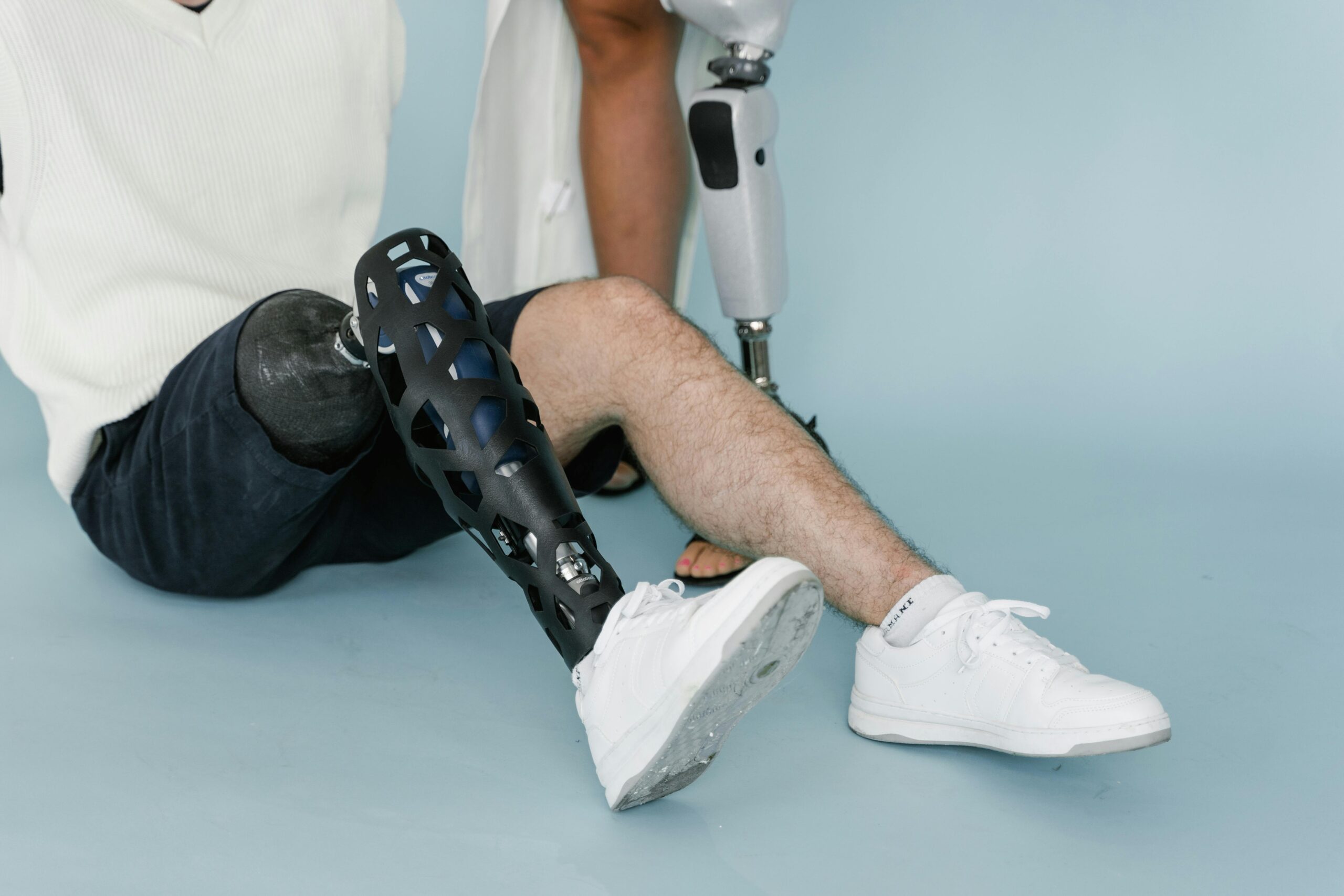
A cognitive prosthesis is any technological intervention designed to support, enhance, or restore cognitive functions. Unlike physical prosthetics that replace limbs, cognitive prostheses work with your existing neural architecture to amplify mental performance.
These tools operate on multiple levels. Some function externally, like sophisticated memory aids and brain-training applications. Others work more intimately with neural tissue, such as brain-computer interfaces that directly communicate with neurons. The spectrum of cognitive prosthesis technology includes:
- Memory enhancement systems that help encode and retrieve information more effectively
- Attention regulation devices that improve focus and reduce distractions
- Decision-making algorithms that process data and present optimized choices
- Neural stimulation technologies that enhance neuroplasticity and learning capacity
- Augmented reality systems that overlay contextual information onto your visual field
- AI-powered cognitive assistants that extend your reasoning capabilities
The Neuroscience Behind Cognitive Enhancement 🔬
To appreciate how cognitive prostheses work, we need to understand the brain’s fundamental operations. Your cognitive abilities emerge from intricate neural networks firing in coordinated patterns. These networks exhibit remarkable plasticity—the ability to reorganize and form new connections throughout life.
Cognitive prosthesis technology leverages this plasticity. By providing targeted stimulation, structured training protocols, or computational support at critical moments, these tools help your brain develop more efficient processing pathways. Think of it as constructing neural highways where dirt roads previously existed.
Neurotransmitters play a crucial role in this process. Technologies that optimize dopamine, acetylcholine, and other chemical messengers can significantly impact attention, memory consolidation, and cognitive flexibility. Some cognitive prostheses work by creating conditions that promote optimal neurotransmitter balance, while others compensate for deficiencies directly.
External Cognitive Prostheses: Your Digital Brain Extension
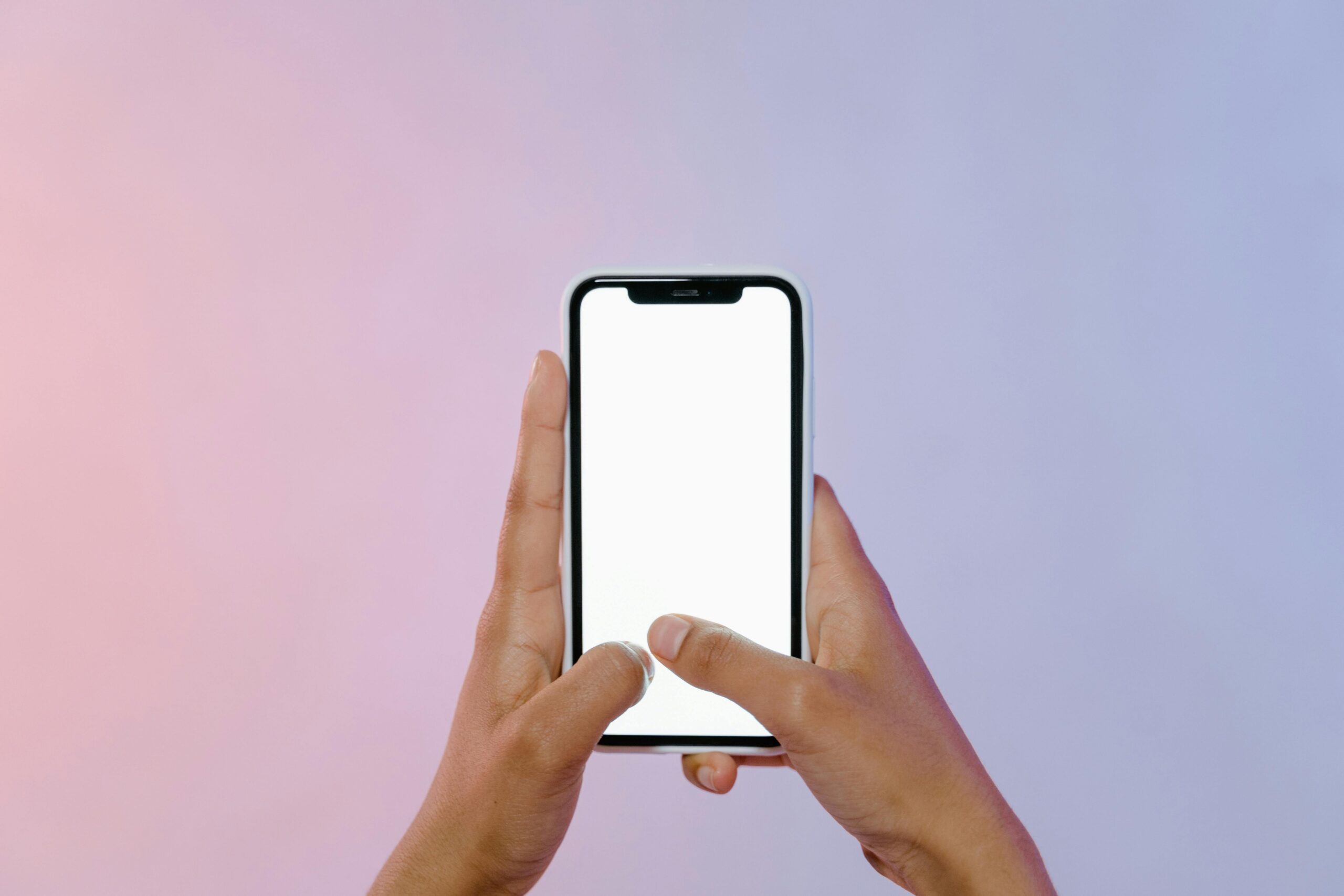
The most accessible cognitive prostheses are external tools that millions already use daily, often without recognizing them as such. Your smartphone, when used strategically, functions as a powerful cognitive prosthesis.
Specialized applications designed for memory enhancement use spaced repetition algorithms that align with how your brain naturally consolidates long-term memories. These apps present information at optimal intervals, dramatically improving retention compared to traditional study methods.
Brain training platforms offer games and exercises targeting specific cognitive domains—working memory, processing speed, problem-solving, and attention control. While debate continues about the transferability of these gains to real-world tasks, growing evidence suggests properly designed cognitive training can produce meaningful improvements.
Notetaking applications that use artificial intelligence to organize, cross-reference, and surface relevant information function as external memory systems. They don’t just store data; they actively help you make connections between ideas, essentially extending your associative memory capacity.
Wearable Technology for Real-Time Cognitive Optimization ⌚
Wearable cognitive prostheses represent the next evolution in brain enhancement technology. These devices monitor your cognitive state in real-time and provide interventions when needed.
Neurofeedback headbands measure brainwave activity through electroencephalography (EEG) and provide immediate feedback about your mental state. When you’re distracted, the device alerts you, helping train sustained attention. Some systems combine this monitoring with guided meditation or focus-enhancing audio to actively improve your cognitive state.
Transcranial direct current stimulation (tDCS) devices deliver weak electrical currents to specific brain regions, modulating neural activity. Research indicates tDCS can enhance learning, improve working memory, and accelerate skill acquisition when applied to appropriate cortical areas during cognitive tasks.
Smart glasses with augmented reality capabilities overlay contextual information onto your visual environment. Imagine looking at a person and immediately seeing their name, your previous conversations, and relevant context—essentially eliminating the common problem of facial recognition failures and name forgetting.
The Promise of Brain-Computer Interfaces
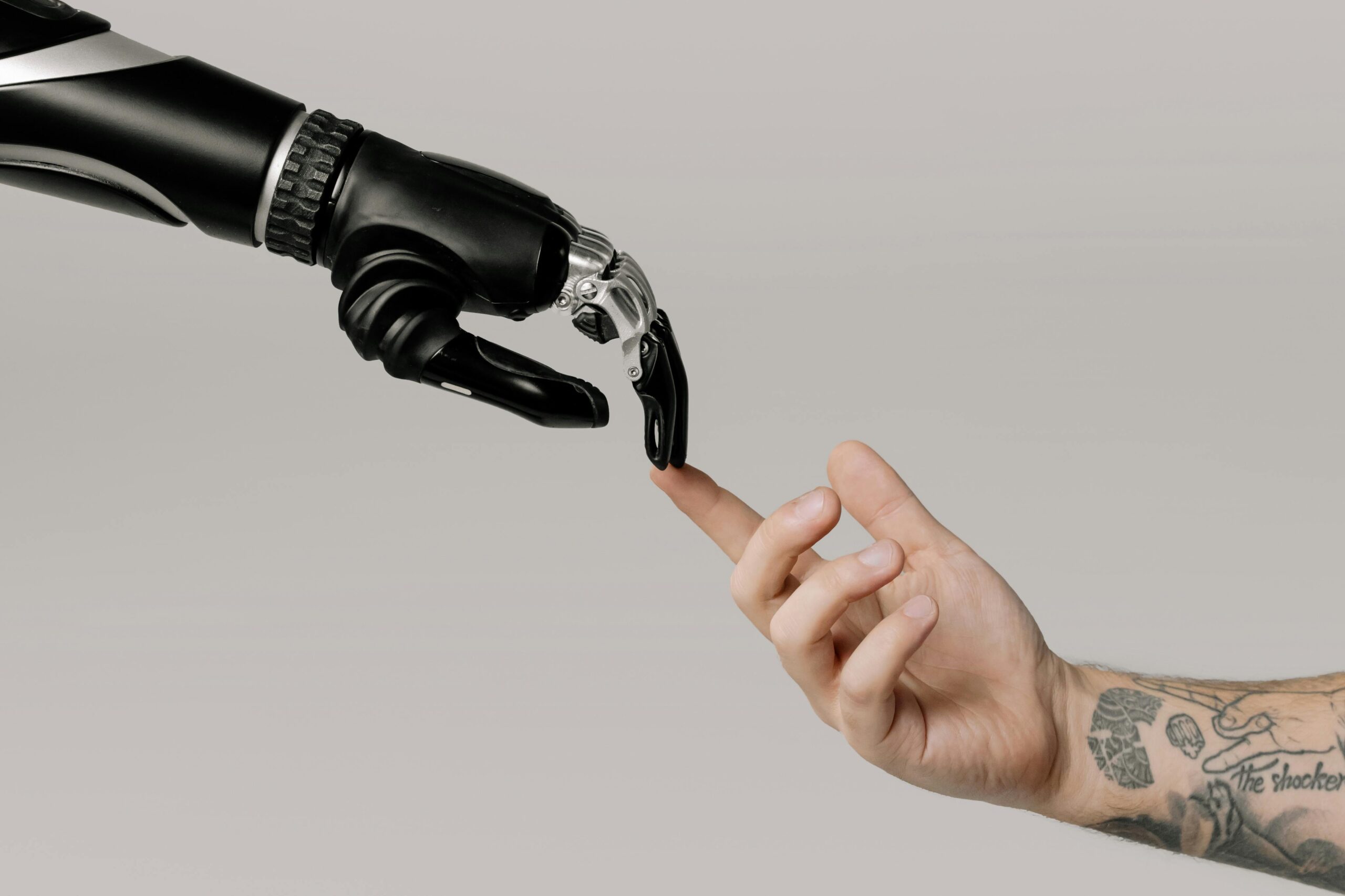
Brain-computer interfaces (BCIs) represent the most advanced form of cognitive prosthesis technology. These systems create direct communication pathways between your brain and external devices, bypassing traditional sensory and motor channels.
Current BCI research has achieved remarkable milestones. Paralyzed individuals can control robotic limbs through thought alone. People can type messages by focusing on letters displayed on a screen, with algorithms decoding their intentions from neural activity patterns.
The cognitive enhancement potential extends beyond mobility and communication. BCIs could eventually allow direct information transfer to the brain, revolutionizing learning. Imagine downloading language skills or technical knowledge directly into your neural networks. While this remains largely theoretical, incremental progress suggests such capabilities may eventually emerge.
Companies are developing less invasive BCI technologies that don’t require surgical implantation. These systems use advanced sensors to detect neural signals through the skull, offering a safer pathway to brain-computer integration.
Memory Enhancement: Never Forget Again 💭
Memory formation involves encoding experiences into neural patterns, consolidating those patterns during sleep, and retrieving them when needed. Cognitive prostheses can enhance each stage of this process.
Digital memory systems act as external repositories for information you might otherwise forget. However, sophisticated versions go beyond simple storage. They use context awareness to surface relevant memories when you need them, essentially functioning as an always-accessible, searchable extension of your biological memory.
Pharmacological cognitive enhancers targeting memory consolidation show promise, though they remain controversial and require careful medical supervision. These compounds work by strengthening the neurochemical processes that transform short-term memories into long-term storage.
Memory palace techniques, when combined with virtual reality technology, create powerful mnemonic systems. VR environments provide vivid, interactive spaces where you can place mental associations, dramatically improving recall for complex information.
Accelerating Learning and Skill Acquisition
The ability to learn quickly and efficiently represents perhaps the most valuable cognitive skill in our rapidly changing world. Cognitive prosthesis technology offers multiple approaches to accelerating the learning process.
Adaptive learning platforms use artificial intelligence to identify your knowledge gaps and optimize instruction accordingly. By presenting information at precisely the right difficulty level—challenging enough to promote growth but not so difficult as to cause frustration—these systems maximize learning efficiency.
Neural stimulation during skill practice can accelerate the formation of motor memories and procedural knowledge. Studies show that applying tDCS to motor cortex regions while practicing physical skills leads to faster improvement compared to practice alone.
Sleep optimization technology enhances the consolidation phase of learning. Devices that monitor sleep stages and deliver subtle sensory cues during specific phases can strengthen memory consolidation without disturbing sleep quality. Since the brain actively processes and integrates learning during sleep, optimizing this process yields significant cognitive benefits.
Enhancing Focus and Attention in a Distracted World 🎯
Sustained attention represents an increasingly scarce resource in our hyperconnected digital environment. Cognitive prostheses addressing attention deficits offer substantial practical value.
Software applications that block distracting websites and notifications during designated focus periods provide environmental support for attention control. More sophisticated versions adapt to your behavior patterns, learning when you’re most susceptible to distraction and providing preemptive interventions.
Ambient soundscapes designed using principles of auditory neuroscience can enhance focus. Certain sound patterns mask distracting environmental noise while promoting neural states associated with concentration. Binaural beats, though their effectiveness remains debated, represent one approach to auditory cognitive enhancement.
Attention training protocols based on mindfulness meditation have been formalized into structured programs. When delivered through apps with progress tracking and personalized coaching, these protocols help develop meta-attention—the ability to monitor and redirect your attention intentionally.
Decision-Making Enhancement Through Computational Support
Human decision-making suffers from numerous cognitive biases and limitations in processing complex information. Cognitive prostheses that augment reasoning and judgment offer substantial advantages in both professional and personal contexts.
Decision support systems integrate vast amounts of data, identify patterns humans might miss, and present optimized choices based on your stated preferences and goals. These aren’t replacement systems that decide for you; rather, they’re cognitive partners that enhance your native decision-making capabilities.
Algorithmic debiasing tools help counteract common judgment errors. By recognizing situations where biases typically occur and providing structured frameworks for analysis, these systems help you make more rational, objective decisions.
Predictive analytics platforms process historical data to forecast probable outcomes of different choices. When used ethically and with appropriate skepticism about algorithmic limitations, these tools significantly improve decision quality in complex domains like financial planning, career development, and strategic business choices.
The Social and Ethical Dimensions of Cognitive Enhancement ⚖️
As cognitive prosthesis technology becomes more powerful and accessible, important ethical questions emerge. Who should have access to these cognitive enhancements? Will they exacerbate existing inequalities or democratize cognitive capabilities?
Concerns about cognitive enhancement creating unfair advantages in educational and professional settings deserve serious consideration. If some individuals have access to powerful cognitive prostheses while others don’t, we may witness the emergence of a “cognitive divide” with profound social implications.
Privacy represents another critical concern. Many cognitive prostheses collect intimate data about your thought patterns, mental states, and cognitive weaknesses. Protecting this information from unauthorized access or misuse requires robust security measures and thoughtful regulatory frameworks.
Questions of authenticity and identity arise when cognitive capabilities are technologically enhanced. If your memories are augmented by digital systems or your decisions influenced by AI analysis, to what extent are they authentically “yours”? These philosophical questions will become increasingly pressing as technologies advance.
Practical Steps to Begin Enhancing Your Cognitive Abilities Today
You don’t need to wait for advanced neural implants to begin optimizing your cognitive performance. Accessible cognitive prosthesis technologies offer meaningful benefits right now.
Start by identifying your specific cognitive goals. Do you want to improve memory, enhance focus, accelerate learning, or make better decisions? Different technologies address different needs, so clarity about your objectives guides effective tool selection.
Experiment with spaced repetition apps for memory enhancement if you’re learning new information. These applications use scientifically validated algorithms that align with natural memory processes, dramatically improving retention compared to conventional study methods.
Consider brain training applications that target your specific cognitive weaknesses. While maintaining realistic expectations about their benefits, consistent use of well-designed cognitive training programs can produce measurable improvements in targeted abilities.
Explore productivity systems that reduce cognitive load by externalizing memory demands. Digital task management tools, note-taking systems, and calendar applications function as external memory supports, freeing your biological memory for more important cognitive work.
Investigate wearable technology if you’re committed to serious cognitive optimization. Devices that monitor sleep, track cognitive performance throughout the day, and provide neurofeedback offer actionable insights for improving mental performance.
The Future Horizon: What’s Coming Next 🚀
Cognitive prosthesis technology stands at an inflection point. Current developments suggest transformative capabilities will emerge within the coming decades.
Brain-computer interfaces will become less invasive, more affordable, and significantly more capable. As these technologies mature, direct neural augmentation will transition from medical applications to mainstream cognitive enhancement.
Artificial intelligence will become increasingly integrated with human cognition, not replacing human thinking but augmenting it. Imagine having access to AI systems so seamlessly connected to your thought processes that using them feels as natural as remembering information from your biological memory.
Pharmacological cognitive enhancers will become more targeted and effective, with fewer side effects. Personalized medicine approaches will allow optimization based on your unique neurochemistry and genetic profile.
Virtual and augmented reality will create immersive learning environments that dramatically accelerate skill acquisition. By providing rich, interactive simulations, these technologies will compress months of traditional learning into days or weeks.
Maximizing Benefits While Managing Risks
Responsible engagement with cognitive prosthesis technology requires balancing enthusiasm for enhancement with realistic assessment of limitations and risks.
Avoid viewing cognitive prostheses as magic solutions. These technologies work best when combined with fundamental practices like adequate sleep, proper nutrition, regular exercise, and stress management. No technology can compensate for chronic sleep deprivation or poor overall health.
Maintain critical evaluation of enhancement claims. The cognitive enhancement field includes both legitimate scientific developments and exaggerated marketing. Prioritize technologies with solid research foundations over those making extraordinary promises without evidence.
Start with less invasive options before considering more aggressive interventions. External tools and software applications carry minimal risks and offer meaningful benefits. Reserve more invasive technologies for situations where conservative approaches have proven insufficient.
Monitor yourself for adverse effects. While well-designed cognitive prostheses generally offer safe enhancement, individual responses vary. Pay attention to how technologies affect your sleep quality, stress levels, and overall well-being, adjusting your approach accordingly.
Integrating Cognitive Enhancement Into Your Daily Life 🌟
Effective cognitive enhancement isn’t about occasional use of powerful technologies; it’s about creating sustainable systems that consistently support optimal mental performance.
Develop morning routines that prepare your brain for peak performance. This might include meditation, strategic use of cognitive enhancement apps, physical exercise, and nutrition choices that support cognitive function.
Design your environment to support rather than undermine cognitive performance. This includes managing digital distractions, optimizing lighting for alertness, and creating dedicated spaces for focused work.
Build regular cognitive maintenance practices into your schedule. Just as physical fitness requires consistent exercise, cognitive fitness benefits from ongoing training and challenge.
Embrace the identity of someone committed to continuous cognitive improvement. This mindset shift transforms cognitive enhancement from an occasional activity into a core aspect of how you approach life and learning.
Unlocking Your Unique Cognitive Potential
Cognitive prosthesis technology offers unprecedented opportunities to transcend the natural limitations of human cognition. From simple memory aids to sophisticated brain-computer interfaces, these tools provide pathways to enhanced mental performance across multiple domains.
The journey toward cognitive enhancement is deeply personal. Your optimal approach depends on your specific goals, current capabilities, lifestyle constraints, and values. What matters most isn’t adopting the most advanced technology but finding the right tools that meaningfully improve your cognitive performance in sustainable ways.
As these technologies continue advancing, the gap between enhanced and unenhanced cognitive capabilities will likely widen. Starting your cognitive enhancement journey today positions you to take advantage of emerging tools while building the foundational practices that maximize their effectiveness.
Your brain possesses remarkable untapped potential. Cognitive prosthesis technology provides the keys to unlock that potential, enabling you to think more clearly, remember more effectively, learn more rapidly, and achieve goals that previously seemed beyond reach. The future of human cognition isn’t limited by our biological inheritance—it’s limited only by our willingness to embrace the tools that extend our mental capabilities into new territories of possibility.