
Your brain holds untapped potential waiting to be discovered through neural pattern mapping—a revolutionary approach to understanding and optimizing cognitive performance in everyday life.

🧠 Understanding the Foundation of Neural Pattern Mapping
Neural pattern mapping represents one of the most exciting frontiers in cognitive neuroscience and personal development. At its core, this approach examines how neural networks in your brain create specific patterns of activity that correspond to thoughts, behaviors, and skills. These patterns aren’t random—they’re highly organized systems that can be identified, measured, and optimized for enhanced performance.
The human brain contains approximately 86 billion neurons, each forming thousands of connections with other neurons. These connections create intricate pathways that activate in specific sequences when you perform tasks, recall memories, or learn new information. Neural pattern mapping allows us to visualize and understand these pathways, providing insights into how your brain processes information and where opportunities for improvement exist.
Recent advances in neuroimaging technology, including functional MRI and electroencephalography (EEG), have made it possible to observe these patterns in real-time. What once seemed like science fiction—understanding the exact neural signatures associated with peak performance—is now becoming a practical reality for athletes, executives, students, and anyone seeking cognitive enhancement.
The Science Behind Peak Performance States
Peak performance isn’t accidental. It emerges from specific neural patterns that neuroscientists have identified across various domains. When elite athletes enter “the zone” or when highly productive professionals achieve deep flow states, their brains exhibit remarkably similar electrical signatures characterized by synchronized activity across multiple regions.
Research from leading institutions has revealed that these optimal states share common characteristics. The prefrontal cortex—responsible for executive function and self-criticism—shows decreased activity, allowing for more intuitive, automatic performance. Simultaneously, regions associated with focused attention and sensory processing demonstrate heightened synchronization, creating what researchers call “transient hypofrontality.”
This neural signature explains why peak performers often describe feeling effortless during their best moments. The conscious, analytical parts of their brains step aside, allowing well-trained neural patterns to execute flawlessly. Understanding this mechanism is the first step toward consistently reproducing these states in your own life.
🎯 Identifying Your Personal Neural Patterns
Every individual possesses unique neural patterns shaped by genetics, experiences, and learned behaviors. Identifying your personal patterns requires careful observation and, increasingly, technology-assisted analysis. The process begins with awareness—recognizing when you’re operating at your cognitive best and when you’re struggling.
Self-assessment forms the foundation of neural pattern mapping at the practical level. Start by tracking your performance across different times of day, environmental conditions, and mental states. Notice patterns in when you solve problems most effectively, when creative insights emerge, and when you feel mentally exhausted. These observations provide clues about your brain’s natural rhythms and optimal operating conditions.
Modern neurofeedback devices and cognitive tracking applications have democratized what was once only available in research laboratories. Wearable EEG headbands can now measure brainwave activity during various tasks, providing data about your mental states throughout the day. While not as precise as clinical-grade equipment, these consumer devices offer valuable insights into your personal neural patterns.
Key Indicators of Your Neural Patterns
- Energy fluctuations throughout the day and their correlation with task performance
- Specific environmental conditions that consistently enhance or impair focus
- Emotional states that precede your most productive work sessions
- Physical sensations associated with entering flow states
- Recovery time needed after intense cognitive work
- Activities that consistently restore mental clarity and sharpness
Training Your Brain for Optimal Pattern Formation
Once you’ve identified your existing neural patterns, the next step involves deliberate training to strengthen beneficial patterns and reshape limiting ones. Neuroplasticity—your brain’s ability to form new connections and pathways—makes this possible at any age, though the process requires consistency and strategic effort.
Cognitive training isn’t about generic brain games that promise miraculous results. Effective neural pattern training targets specific capacities relevant to your performance goals. If you’re enhancing focus, practices that strengthen attention networks matter most. For creative problem-solving, exercises that promote divergent thinking and novel connections yield better results.
Neuroscientists have identified several evidence-based approaches for reshaping neural patterns. Meditation consistently demonstrates powerful effects on attention networks and emotional regulation. Regular practitioners show increased gray matter density in the prefrontal cortex and hippocampus, regions critical for executive function and memory. Even brief daily sessions of 10-15 minutes produce measurable changes over weeks.
⚡ Techniques for Accessing Peak Performance Patterns
Understanding your optimal neural patterns means little without reliable methods for accessing them on demand. Elite performers across disciplines have developed sophisticated protocols for entering peak states consistently, and neuroscience now explains why these techniques work.
Pre-performance routines serve as neural priming mechanisms. When you execute the same sequence of actions before important tasks, you’re essentially signaling your brain to activate specific patterns. Tennis players who follow identical ball-bouncing routines before serves aren’t being superstitious—they’re triggering neural pathways associated with their best performance through procedural memory activation.
Breathing patterns profoundly influence neural states. Controlled breathing exercises directly affect your autonomic nervous system, shifting you between aroused, alert states and calm, focused states. Specific breathing ratios—such as 4-7-8 breathing or box breathing—have been shown to modulate brainwave patterns, helping you access desired mental states more quickly.
Creating Your Performance Protocol
Developing a personalized protocol for accessing peak neural patterns involves experimentation and refinement. Begin by designing a simple routine that you can execute before important tasks. This might include specific breathing exercises, physical movements, visualization, or listening to particular music that you’ve associated with excellent performance.
The key is consistency and intentionality. Your protocol should remain largely unchanged so your brain learns to associate these specific actions with peak performance states. Over time, simply initiating your routine will trigger the desired neural patterns, making flow states more accessible.
The Role of Recovery in Pattern Optimization
Peak performance isn’t sustainable without adequate recovery, yet this truth is often overlooked in discussions of cognitive optimization. Neural patterns require downtime to consolidate and strengthen. The brain literally rewires itself during rest periods, particularly during sleep, making recovery as important as active training.
Sleep architecture plays a crucial role in neural pattern consolidation. During deep sleep stages, your brain replays and strengthens the neural patterns activated during waking hours. Skills practiced during the day improve overnight as these patterns become more efficient. Cutting sleep short doesn’t just leave you tired—it directly impairs your brain’s ability to optimize its neural networks.
Active recovery techniques also support pattern optimization. Low-intensity activities like walking, especially in natural environments, allow default mode network activation—the brain state associated with creative insights and problem-solving. Many breakthrough ideas emerge during these recovery periods because your brain continues processing information unconsciously.
🔬 Measuring Progress in Neural Pattern Development
Optimization requires measurement. Without tracking progress, you’re essentially working blind, unable to determine whether your training protocols produce genuine improvements or merely create the illusion of progress through placebo effects.
Objective performance metrics provide the most reliable feedback. Rather than relying solely on subjective feelings of improvement, establish specific, measurable outcomes relevant to your goals. This might include speed and accuracy on cognitive tasks, productivity metrics in professional work, or skill advancement in your chosen domain.
Longitudinal tracking reveals patterns that daily observations miss. Maintaining a performance journal where you record not just outcomes but also your mental state, sleep quality, stress levels, and other relevant variables creates a dataset revealing which conditions consistently produce your best results. Over months, these patterns become clear, allowing you to engineer your environment and routines for optimal performance.
| Performance Indicator | Measurement Method | Tracking Frequency |
|---|---|---|
| Focus Duration | Timed deep work sessions | Daily |
| Problem-Solving Speed | Standardized cognitive tasks | Weekly |
| Learning Retention | Recall tests of studied material | Weekly |
| Creative Output | Novel ideas generated per session | Weekly |
| Recovery Quality | Subjective energy ratings | Daily |
Environmental Design for Neural Pattern Enhancement
Your environment significantly influences which neural patterns activate most readily. Environmental design isn’t about aesthetics—it’s about creating conditions that bias your brain toward desired patterns and make distracting or limiting patterns less likely to engage.
Cognitive load management through environmental organization reduces the mental friction that impairs performance. When your workspace eliminates unnecessary decisions and distractions, more cognitive resources remain available for important tasks. This principle explains why minimalist work environments often enhance focus—they reduce the neural processing devoted to filtering irrelevant stimuli.
Lighting, temperature, and sound levels affect neural function in measurable ways. Cooler temperatures generally enhance alertness and cognitive performance, while warmer environments promote relaxation. Lighting intensity and color temperature influence circadian rhythms and attention levels. Optimizing these variables for your specific tasks creates conditions where beneficial neural patterns engage more easily.
💡 Advanced Strategies for Neural Pattern Mastery
As you develop foundational competence in neural pattern mapping, advanced strategies become available for further optimization. These approaches require greater sophistication but offer proportionally greater returns for those willing to invest the effort.
Neurofeedback training represents the cutting edge of neural pattern optimization. This technique provides real-time feedback about your brainwave activity, allowing you to learn conscious control over typically unconscious neural processes. Athletes use neurofeedback to train the specific brainwave patterns associated with their peak performance, essentially teaching their brains to enter optimal states on command.
Cross-domain training leverages neural pattern transfer between different skills. The brain often uses similar neural architectures for superficially different tasks. Training pattern recognition in one domain can enhance it in another. This explains why musicians often excel at mathematics—both domains rely heavily on pattern recognition and sequential processing in overlapping neural regions.
Integrating Mind-Body Practices
The false dichotomy between mental and physical training dissolves when you understand neural pattern mapping. Physical practices profoundly affect cognitive patterns, and cognitive training influences physical capabilities. Integrated approaches that address both dimensions produce synergistic benefits.
Practices like tai chi, yoga, and martial arts combine physical movement with focused attention, training neural patterns that coordinate mind-body integration. Research demonstrates that practitioners of these disciplines show enhanced executive function, emotional regulation, and stress resilience—all stemming from strengthened neural patterns developed through integrated training.
Sustaining Peak Performance Over Time
The ultimate challenge isn’t achieving peak performance occasionally—it’s sustaining high-level function over extended periods without burnout. Sustainable performance requires understanding your neural patterns’ limitations and designing your life around natural rhythms rather than forcing constant maximum output.
Periodization principles from athletic training apply equally to cognitive performance. Just as athletes cycle through phases of intensity, volume, and recovery, knowledge workers and creative professionals benefit from similar cycles. Periods of intense focus and output should alternate with recovery phases where you reduce cognitive demands and allow neural patterns to consolidate.
Long-term neural health depends on lifestyle factors that support brain function across decades, not just months. Cardiovascular exercise increases blood flow to the brain and promotes neurogenesis—the creation of new neurons. Nutrition affects neurotransmitter production and neural membrane integrity. Social connection activates neural patterns associated with wellbeing and stress resilience. These factors compound over time, making the difference between cognitive decline and sustained high performance in later years.
🚀 Implementing Your Neural Pattern Mapping Journey
Knowledge becomes valuable only through application. The concepts and techniques discussed here require systematic implementation to produce tangible results in your performance and life quality. Start with clarity about your specific goals and the neural capacities most relevant to achieving them.
Begin with baseline assessment. Spend two weeks tracking your current performance patterns without making changes. Notice when you’re most alert, focused, and creative. Identify your energy patterns, optimal working conditions, and recovery needs. This baseline data provides the foundation for measuring improvement and reveals which interventions produce genuine results.
Implement changes incrementally rather than attempting wholesale transformation. Select one or two techniques from this article that resonate most strongly with your situation and commit to consistent practice for at least 30 days. Neural patterns don’t change overnight—they require repetition and time to establish new pathways and strengthen desired connections.
Build support structures that make consistency easier. Whether through accountability partners, tracking systems, or environmental modifications, create conditions where following through on your neural optimization practices becomes the path of least resistance. Your environment should make beneficial behaviors automatic and limiting behaviors inconvenient.
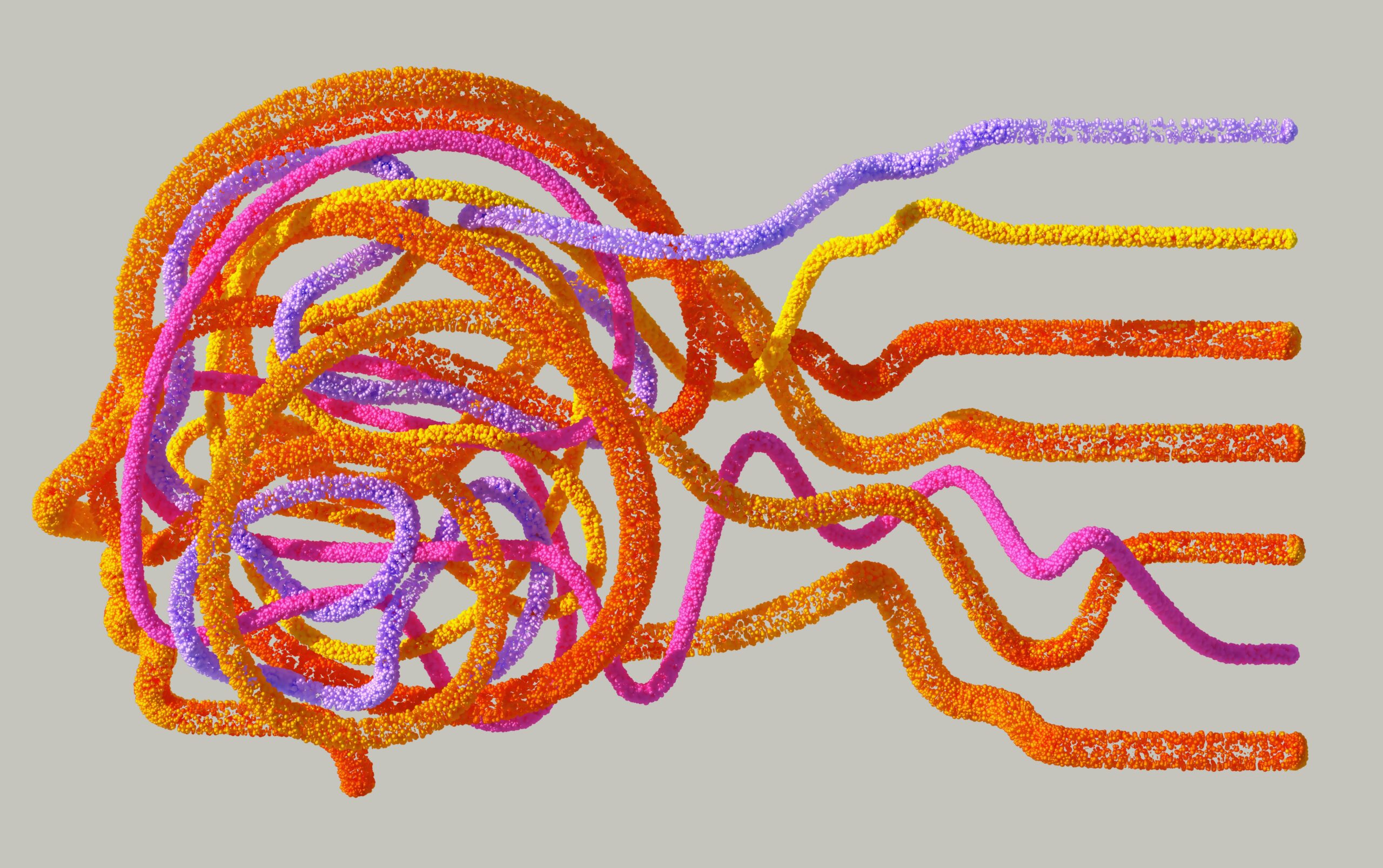
The Future of Personal Neural Pattern Optimization
We stand at the beginning of a revolution in understanding and optimizing human cognitive potential. Technologies emerging from research laboratories will soon provide unprecedented access to detailed information about individual neural patterns and increasingly precise methods for optimizing them.
Consumer neurotechnology continues advancing rapidly, making sophisticated neural pattern analysis accessible outside clinical settings. Within years, devices may provide detailed feedback about your cognitive states throughout the day, offering personalized recommendations for optimizing performance based on your unique neural signatures.
The democratization of these tools creates opportunities for self-directed cognitive enhancement that previous generations couldn’t imagine. However, technology serves as amplification—it magnifies both effective and ineffective approaches. The fundamental principles of neural pattern mapping remain essential regardless of technological advancement. Understanding how your brain creates patterns, learning to recognize your optimal states, and developing reliable methods for accessing peak performance will remain central to human excellence.
Your brain’s potential extends far beyond current performance levels. Neural pattern mapping provides the framework for discovering and developing this potential systematically. By understanding the neural foundations of peak performance, identifying your personal patterns, training deliberately, and measuring progress, you can unlock cognitive capacities that transform your effectiveness across every domain of life. The journey begins with awareness, progresses through consistent practice, and ultimately leads to sustainable high performance that feels increasingly natural and effortless.