The human brain continues to fascinate scientists worldwide, particularly the motor cortex—a region that orchestrates our every movement. Recent breakthroughs in stimulation techniques are revolutionizing how we understand and enhance brain function.

🧠 Understanding the Motor Cortex: Your Brain’s Movement Command Center
The motor cortex represents one of the most critical regions of the human brain, located in the frontal lobe. This sophisticated neural network serves as the primary area responsible for planning, controlling, and executing voluntary movements. When you reach for a coffee cup, type on your keyboard, or walk across a room, your motor cortex orchestrates these complex movements with remarkable precision.
Divided into several distinct regions including the primary motor cortex, premotor cortex, and supplementary motor area, this brain region contains millions of neurons that communicate through electrical impulses. These neurons form intricate pathways that extend throughout the body, creating a comprehensive network that enables everything from gross motor skills to fine motor control.
Understanding how the motor cortex functions has become increasingly important as researchers discover its plasticity—the ability to reorganize and form new neural connections throughout life. This neuroplasticity opens unprecedented opportunities for therapeutic interventions and cognitive enhancement.
Revolutionary Stimulation Techniques Transforming Neuroscience
Modern neuroscience has developed several groundbreaking methods to stimulate the motor cortex, each offering unique benefits and applications. These techniques range from non-invasive approaches suitable for everyday use to more advanced interventions requiring clinical supervision.
Transcranial Magnetic Stimulation (TMS): The Non-Invasive Pioneer
Transcranial Magnetic Stimulation has emerged as a game-changing technology in motor cortex research. This non-invasive technique uses magnetic fields to generate electrical currents in specific brain regions without requiring surgery or direct contact with brain tissue. TMS devices positioned near the scalp create rapidly changing magnetic fields that penetrate the skull and stimulate underlying neural tissue.
Recent studies have demonstrated TMS effectiveness in treating various neurological conditions, enhancing motor learning, and even improving athletic performance. Researchers at leading institutions have documented significant improvements in patients recovering from stroke when TMS protocols are combined with traditional rehabilitation therapy.
Transcranial Direct Current Stimulation (tDCS): Accessible Brain Enhancement
Unlike TMS, transcranial Direct Current Stimulation delivers low-intensity electrical currents directly through electrodes placed on the scalp. This gentler approach has gained popularity due to its affordability, portability, and minimal side effects. The technique modulates neuronal activity by slightly depolarizing or hyperpolarizing cell membranes, making neurons more or less likely to fire.
Contemporary research reveals that tDCS can enhance motor learning, accelerate skill acquisition, and support rehabilitation in patients with motor impairments. Athletes and musicians have shown particular interest in tDCS applications, with studies suggesting improved performance when stimulation accompanies practice sessions.
🔬 Latest Research Breakthroughs Reshaping Our Understanding
The past five years have witnessed extraordinary advances in motor cortex stimulation research. Scientists worldwide are uncovering new applications and refining existing techniques to maximize benefits while minimizing risks.
Precision Mapping: Targeting Specific Neural Circuits
Advanced neuroimaging technologies now enable researchers to create detailed maps of individual motor cortex architecture. Functional MRI combined with sophisticated algorithms allows scientists to identify precise regions controlling specific movements. This precision targeting has revolutionized treatment protocols, enabling personalized stimulation parameters tailored to each person’s unique brain structure.
Recent breakthrough studies demonstrate that individualized stimulation protocols produce significantly better outcomes than standardized approaches. Researchers can now target specific neural circuits responsible for particular movements, leading to more effective rehabilitation strategies and enhanced motor learning.
Closed-Loop Systems: Adaptive Stimulation Technology
Perhaps the most exciting recent development involves closed-loop stimulation systems that adjust in real-time based on brain activity. These intelligent devices monitor neural signals continuously and modify stimulation parameters automatically to optimize outcomes. This adaptive approach represents a quantum leap beyond traditional fixed-parameter stimulation.
Clinical trials using closed-loop systems have shown remarkable results in stroke rehabilitation, Parkinson’s disease management, and motor skill enhancement. The technology essentially creates a dialogue between the device and the brain, ensuring stimulation remains precisely calibrated to current neural states.
🏥 Clinical Applications Transforming Patient Care
Motor cortex stimulation techniques have moved beyond laboratory settings into clinical practice, offering hope to patients with various neurological conditions.
Stroke Recovery: Restoring Lost Function
Stroke survivors often face devastating motor impairments that significantly impact quality of life. Traditional rehabilitation provides benefits but frequently leaves patients with persistent deficits. Motor cortex stimulation combined with intensive therapy has emerged as a powerful approach to enhance recovery outcomes.
Multi-center clinical trials demonstrate that patients receiving motor cortex stimulation alongside conventional therapy regain significantly more function than those receiving therapy alone. The stimulation appears to prime the brain for learning, making rehabilitation exercises more effective by enhancing neuroplasticity in damaged regions.
Parkinson’s Disease: Managing Movement Disorders
Parkinson’s disease progressively impairs motor control, causing tremors, rigidity, and bradykinesia. While deep brain stimulation has proven effective for advanced cases, non-invasive motor cortex stimulation offers promising alternatives for earlier disease stages or patients unsuitable for surgery.
Recent research indicates that specific stimulation protocols can temporarily reduce Parkinson’s symptoms, improve gait stability, and enhance fine motor control. Ongoing studies explore whether regular stimulation sessions might slow disease progression by supporting neural health in affected circuits.
Spinal Cord Injury: Bridging Neural Gaps
Individuals with spinal cord injuries face enormous challenges in motor function recovery. Innovative approaches combining motor cortex stimulation with spinal stimulation and intensive training are producing remarkable results. Some patients with incomplete injuries have regained voluntary movement after years of paralysis through these integrated protocols.
Researchers hypothesize that motor cortex stimulation strengthens surviving neural pathways and promotes formation of new connections around damaged areas. This therapeutic approach represents genuine hope for millions living with spinal cord injuries worldwide.
⚡ Cognitive Enhancement and Performance Optimization
Beyond therapeutic applications, motor cortex stimulation research increasingly explores enhancement of normal brain function. This emerging field raises fascinating possibilities alongside important ethical considerations.
Accelerating Motor Skill Acquisition
Learning complex motor skills typically requires thousands of practice repetitions. Research now shows that motor cortex stimulation during practice can significantly accelerate skill acquisition. Musicians learning new instruments, athletes mastering techniques, and surgeons developing precision skills all potentially benefit from stimulation-enhanced training.
Laboratory studies consistently demonstrate that participants receiving motor cortex stimulation alongside practice sessions learn faster and retain skills better than control groups. The effect appears strongest when stimulation timing precisely coincides with practice activities, suggesting optimal temporal windows for enhancement.
Combating Age-Related Motor Decline
Aging naturally brings motor function decline—slower movements, reduced coordination, and decreased strength. Recent research suggests regular motor cortex stimulation might slow or partially reverse these age-related changes by promoting neural health and maintaining plasticity in motor circuits.
Preliminary studies in healthy older adults show promising results, with participants experiencing improved balance, faster reaction times, and better fine motor control after several weeks of regular stimulation sessions. Long-term studies are underway to determine whether these benefits persist and translate into meaningful quality-of-life improvements.
🛠️ Emerging Technologies and Future Directions
The motor cortex stimulation field continues evolving rapidly, with innovative technologies promising even more remarkable capabilities in coming years.
Ultrasound-Based Brain Stimulation
Transcranial focused ultrasound represents an exciting frontier in non-invasive brain stimulation. This technique uses precisely targeted sound waves to stimulate specific brain regions with unprecedented spatial precision. Unlike magnetic or electrical stimulation, ultrasound can reach deeper brain structures without affecting intervening tissue.
Early research demonstrates ultrasound’s potential for highly selective motor cortex stimulation, potentially enabling more effective treatments with fewer side effects. The technology remains largely experimental but shows enormous promise for future clinical applications.
Brain-Computer Interfaces: Direct Neural Communication
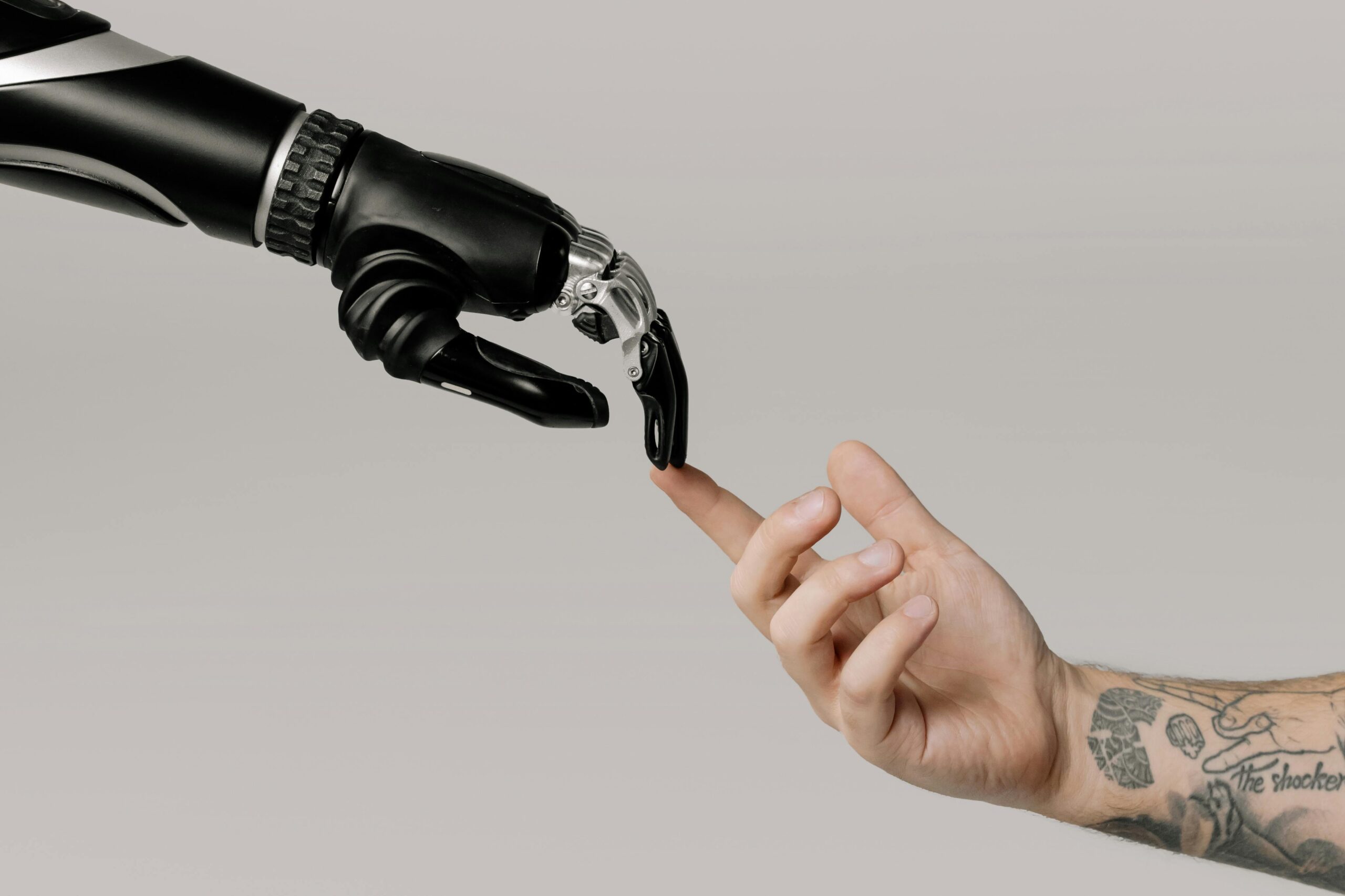
Brain-computer interfaces combine motor cortex recording with real-time feedback and sometimes stimulation, creating bidirectional communication between brain and external devices. These systems already enable paralyzed individuals to control robotic limbs through thought alone. Adding stimulation capabilities creates opportunities for sensory feedback, making prosthetic control more intuitive and natural.
Recent breakthroughs include systems providing tactile sensation feedback through motor cortex stimulation, allowing users to “feel” objects they touch with robotic hands. This integration of recording and stimulation technologies represents the cutting edge of neural engineering.
Personalized Stimulation Protocols Using Artificial Intelligence
Artificial intelligence algorithms now analyze complex neural data to predict optimal stimulation parameters for individual users. Machine learning models trained on thousands of patient outcomes can recommend personalized protocols maximizing benefits while minimizing risks. This AI-driven approach promises to make motor cortex stimulation more effective and accessible.
Early implementations demonstrate superior outcomes compared to standard protocols, with AI systems identifying subtle patterns human clinicians might miss. As datasets grow larger and algorithms more sophisticated, personalized brain stimulation will likely become standard practice.
⚠️ Safety Considerations and Ethical Implications
Despite tremendous promise, motor cortex stimulation raises important safety and ethical questions that researchers and society must address thoughtfully.
Understanding Risks and Side Effects
Non-invasive stimulation techniques generally demonstrate excellent safety profiles when properly administered. Common side effects include mild headaches, tingling sensations, and temporary fatigue. Serious adverse events remain extremely rare in research settings with appropriate safety protocols.
However, long-term effects of regular stimulation remain incompletely understood. Researchers emphasize the importance of using validated protocols, avoiding excessive stimulation intensities, and monitoring for unexpected effects. Self-administration without proper guidance carries risks that informed medical supervision can minimize.
Ethical Considerations in Enhancement Applications
Using motor cortex stimulation for performance enhancement rather than medical treatment raises complex ethical questions. Issues include fairness in competitive contexts, access inequality, potential coercion, and unknown long-term consequences of enhancement in healthy individuals.
The scientific community increasingly recognizes the need for thoughtful ethical frameworks guiding enhancement applications. Balancing innovation with responsible development requires ongoing dialogue among researchers, ethicists, policymakers, and the public.
🌟 Practical Steps Toward Benefiting from Research Advances
For individuals interested in exploring motor cortex stimulation, several practical pathways exist depending on circumstances and objectives.
Clinical Access for Therapeutic Applications
Patients with neurological conditions should consult qualified healthcare providers about whether motor cortex stimulation might benefit their specific situation. Many academic medical centers now offer stimulation-based interventions as part of comprehensive treatment programs. Participation in clinical trials represents another avenue for accessing cutting-edge treatments while contributing to scientific knowledge.
Wellness and Enhancement Approaches
Healthy individuals seeking cognitive or motor enhancement should approach with informed caution. While consumer devices exist, medical-grade equipment supervised by trained professionals provides safer, more effective experiences. Some specialized clinics now offer enhancement-focused stimulation services, though regulations vary considerably by jurisdiction.
Alternatives to direct stimulation include evidence-based approaches like targeted exercise, skill-specific practice, adequate sleep, and proper nutrition—all supporting motor cortex health and function without technological intervention.
🔮 The Horizon: What Lies Ahead for Motor Cortex Research
The trajectory of motor cortex stimulation research points toward increasingly sophisticated, personalized, and effective interventions. Within the next decade, we can anticipate several transformative developments.
Fully implantable, wireless stimulation devices will likely become available, providing continuous adaptive stimulation without external equipment. Home-based therapeutic systems with remote professional monitoring will expand access to effective treatments. Integration with virtual reality and augmented reality platforms will create immersive rehabilitation environments enhancing outcomes through engaging, motivating experiences.
Perhaps most importantly, deeper understanding of motor cortex function will inform development of genuinely restorative therapies—treatments that don’t merely compensate for dysfunction but actually repair damaged neural circuits. Combining stimulation with other interventions like stem cell therapies, pharmacological agents, and genetic approaches may ultimately enable regeneration of damaged motor systems.
💡 Harnessing Your Brain’s Remarkable Potential
The human motor cortex possesses extraordinary capabilities that most people never fully realize. Recent breakthroughs in stimulation research reveal we’ve only begun to understand and utilize this remarkable brain region’s potential. Whether seeking recovery from neurological injury, enhancement of existing abilities, or simply maintaining function through aging, motor cortex stimulation offers unprecedented opportunities.
As research continues accelerating, the gap between laboratory discoveries and practical applications steadily narrows. What seemed like science fiction mere decades ago—directly modulating brain activity to restore movement, accelerate learning, and enhance performance—has become scientific reality. The coming years promise even more remarkable advances as technologies mature and our understanding deepens.
For anyone interested in brain health, neurological recovery, or human performance optimization, staying informed about motor cortex stimulation research developments provides valuable insights into emerging possibilities. While challenges remain and important questions persist, the overall trajectory clearly points toward transformative capabilities that will reshape how we approach motor function, rehabilitation, and human potential itself.
The brain’s potential truly is extraordinary, and motor cortex stimulation research continues unlocking new dimensions of that potential every day. Whether you’re a patient seeking recovery, an athlete pursuing excellence, a professional developing skills, or simply someone fascinated by neuroscience, these breakthroughs offer reasons for excitement about what lies ahead in our ongoing journey to understand and enhance the remarkable human brain.