The human brain generates electrical signals that can now be captured, interpreted, and used to control devices—a revolutionary technology transforming how we interact with the digital world. 🧠

Imagine controlling your smartphone, computer, or even a prosthetic limb using nothing but your thoughts. What once seemed like pure science fiction has become scientific reality through brainwave-controlled interfaces, also known as brain-computer interfaces (BCIs). These groundbreaking systems are unlocking unprecedented potential for communication, rehabilitation, entertainment, and human enhancement.
The convergence of neuroscience, artificial intelligence, and advanced sensor technology has created a new frontier in human-machine interaction. As our understanding of brain function deepens and technology becomes more sophisticated, brainwave-controlled interfaces are rapidly moving from research laboratories into practical applications that could fundamentally change how we live, work, and connect with technology.
🔬 Understanding the Science Behind Brainwave Control
Your brain contains approximately 86 billion neurons that constantly communicate through electrical and chemical signals. When neurons fire together, they create synchronized electrical patterns called brainwaves. These waves vary in frequency and amplitude depending on your mental state, activities, and focus level.
Scientists have identified several distinct brainwave patterns, each associated with different cognitive states. Delta waves appear during deep sleep, theta waves during meditation and creativity, alpha waves during relaxed wakefulness, beta waves during active thinking, and gamma waves during intense concentration and information processing.
Brain-computer interfaces work by detecting these electrical signals through sensors placed on the scalp (non-invasive) or directly on the brain surface (invasive). The raw data is then processed through sophisticated algorithms that decode the patterns and translate them into commands that computers and devices can understand and execute.
The Technology That Reads Your Mind
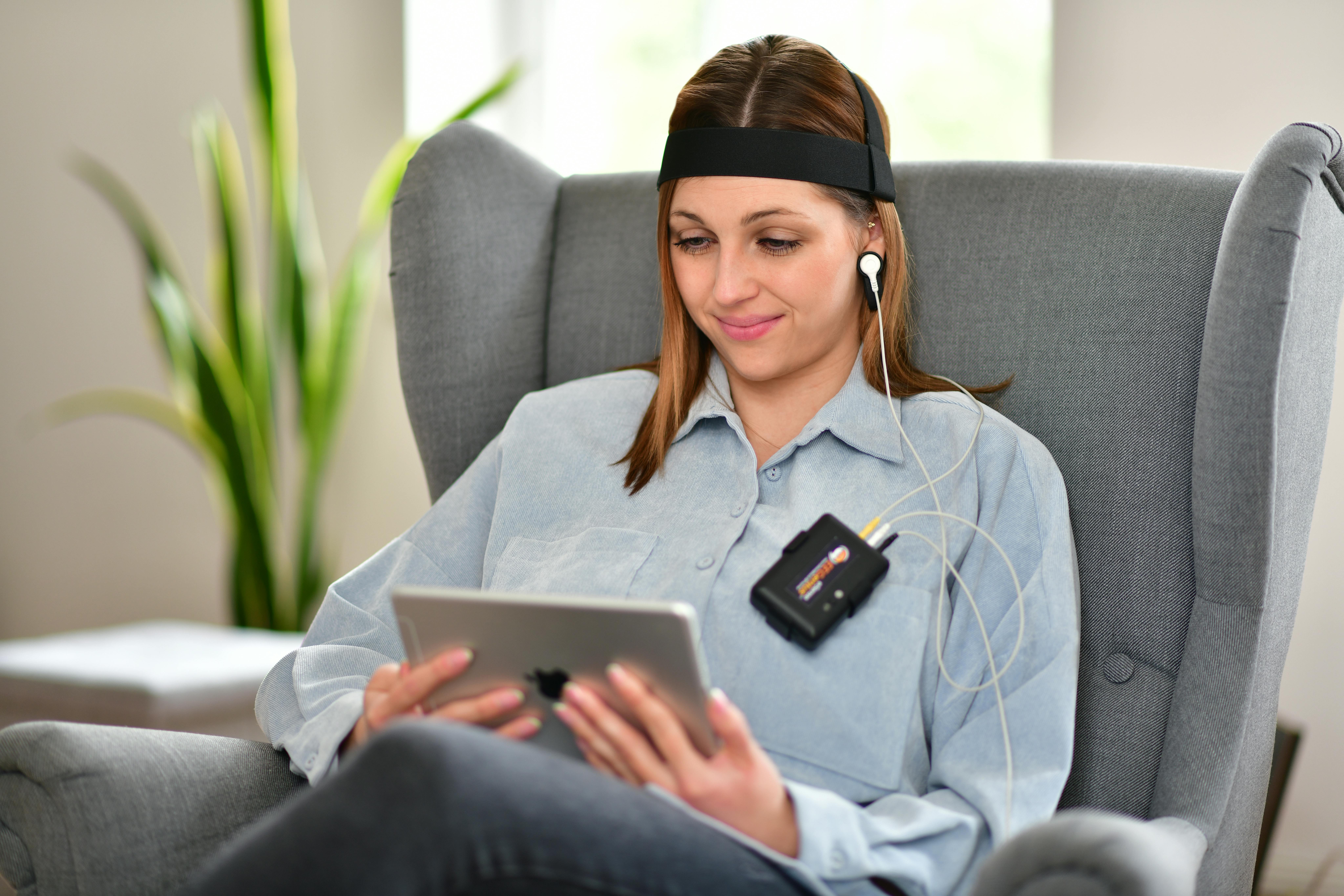
Electroencephalography (EEG) remains the most common method for detecting brainwaves in consumer and research applications. EEG sensors placed on the scalp capture voltage fluctuations resulting from ionic current flows within brain neurons. While less precise than invasive methods, modern EEG technology has become remarkably accurate and affordable.
Advanced signal processing techniques use machine learning algorithms to filter out noise and identify meaningful patterns within the complex electrical activity. These systems learn to recognize specific mental commands, such as imagining moving your left hand versus your right hand, or focusing attention on a particular object.
The quality of brainwave detection has improved dramatically over the past decade. Modern devices can distinguish between subtle mental states and intentions with increasing accuracy, opening doors to more sophisticated applications beyond simple binary commands.
💡 Revolutionary Applications Transforming Lives
The practical applications of brainwave-controlled interfaces extend far beyond novelty gadgets. These technologies are creating genuine solutions for medical challenges, accessibility barriers, and human performance optimization.
Medical Rehabilitation and Assistive Technology
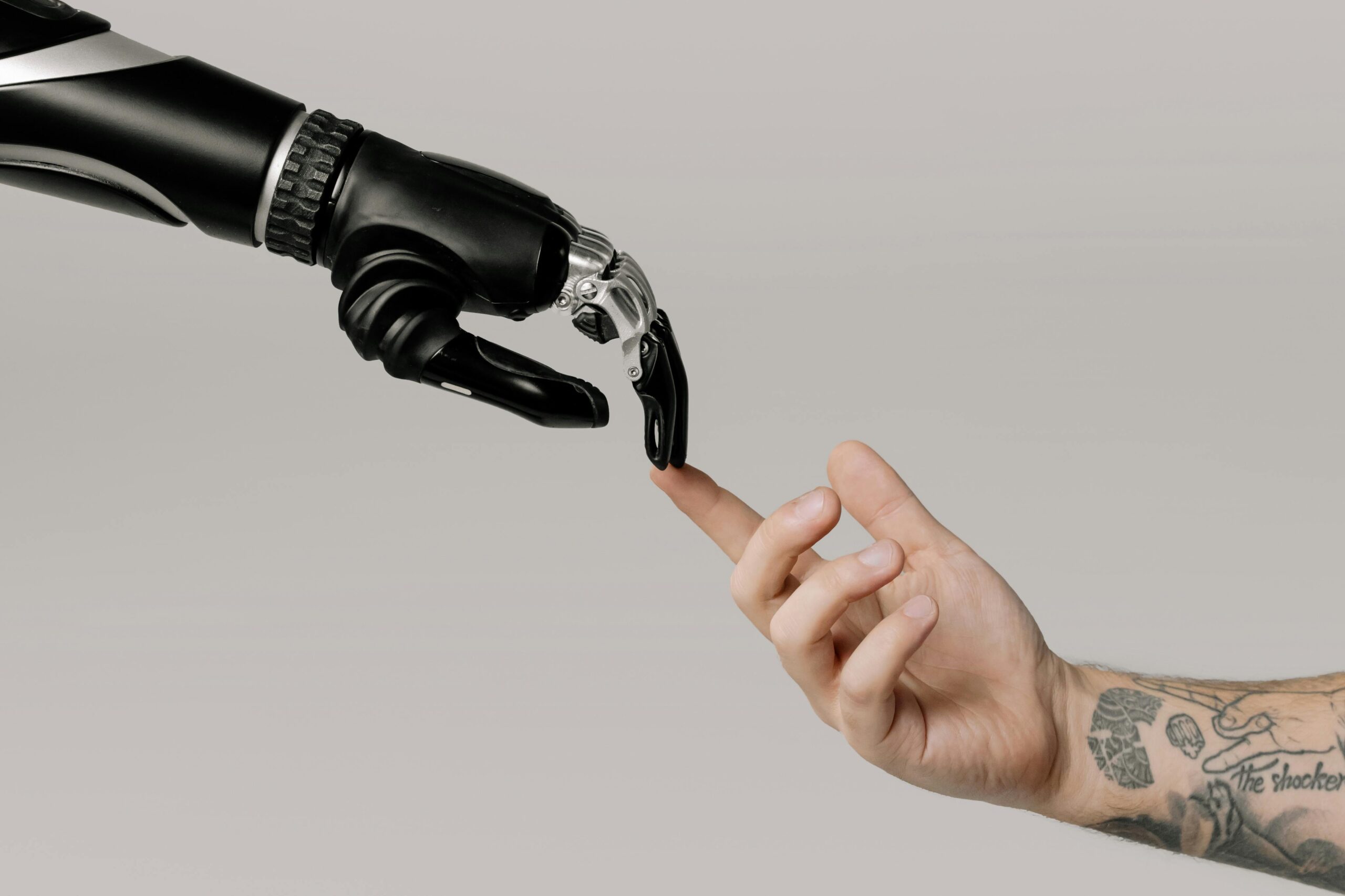
For individuals with paralysis, locked-in syndrome, or severe motor disabilities, brain-computer interfaces offer a lifeline to independence and communication. Patients can control wheelchairs, operate computers, type messages, and even control robotic prosthetic limbs using only their thoughts.
Research hospitals and rehabilitation centers worldwide are implementing BCI therapy programs that help stroke patients recover motor function faster. By visualizing movement and attempting to execute it mentally, patients can stimulate neural plasticity and rebuild damaged neural pathways more effectively than with traditional physical therapy alone.
The technology has enabled completely paralyzed individuals to communicate their needs, emotions, and thoughts after years of being trapped within unresponsive bodies. This restoration of agency and dignity represents one of the most profound humanitarian applications of neurotechnology.
Enhancing Cognitive Performance and Focus
Beyond medical applications, brainwave monitoring offers powerful tools for optimizing mental performance. Neurofeedback training allows individuals to observe their brainwave patterns in real-time and learn to consciously regulate them for improved focus, stress reduction, and cognitive enhancement.
Athletes use BCI systems to achieve optimal performance states by training their brains to enter the “flow state” more consistently. Business professionals employ neurofeedback to enhance concentration during demanding tasks and to recover more quickly from mental fatigue.
Educational applications are emerging that adapt learning content based on students’ attention levels and cognitive load, creating personalized learning experiences that maximize retention and understanding while minimizing frustration and boredom.
🎮 Entertainment and Gaming Enter a New Dimension
The gaming industry has embraced brainwave-controlled interfaces as the next evolution in immersive entertainment. Several companies now offer headsets that allow players to control game elements through concentration, relaxation, or specific mental commands.
Imagine playing a video game where your emotional state directly influences the environment, where you can cast spells by focusing your mind, or where puzzles require you to achieve specific brainwave states. These experiences create entirely new gameplay mechanics that physical controllers cannot replicate.
Virtual reality combined with brain-computer interfaces creates profoundly immersive experiences where mental intention seamlessly blends with digital environments. As the technology matures, we may see games that adapt in real-time to players’ emotional responses, creating narratives that respond to genuine engagement and excitement.
The Social and Creative Potential
Artists and musicians are exploring brainwave interfaces as new mediums for creative expression. Brain-controlled musical instruments respond to mental states, creating soundscapes that reflect the composer’s emotional journey. Visual artists use BCI systems to paint digital canvases with thought patterns, producing works that externalize internal mental landscapes.
Some researchers envision future social networks where emotional states and authentic reactions can be shared more directly than through text or images, though this raises important questions about privacy and consent that society will need to address thoughtfully.
🚀 Consumer Devices Bringing BCI to Everyone
The commercialization of brainwave technology has accelerated dramatically in recent years. What once required expensive laboratory equipment can now be accessed through affordable consumer headsets that connect wirelessly to smartphones and computers.
Several companies have developed meditation and focus-training devices that provide real-time feedback on your mental state. These devices help users develop better concentration, reduce anxiety, and achieve deeper meditation states by making invisible brainwave patterns visible and controllable.
Sleep optimization devices monitor brainwaves throughout the night and can even play targeted audio frequencies designed to enhance deep sleep stages or facilitate lucid dreaming. Users report improved sleep quality and more refreshed mornings after implementing brainwave-guided sleep protocols.
Practical Workplace Applications
Forward-thinking companies are beginning to integrate brainwave monitoring into workplace wellness programs. These systems can identify when employees experience excessive stress or mental fatigue, triggering suggestions for breaks, breathing exercises, or task switching to maintain optimal cognitive performance.
Some productivity applications adjust notification settings based on detected focus levels, ensuring that interruptions only occur during natural mental breaks rather than disrupting deep concentration. This brain-responsive technology helps knowledge workers maintain flow states longer and accomplish more demanding cognitive work.
⚖️ Navigating Ethical Considerations and Privacy Concerns
As with any technology that interfaces directly with human biology, brainwave-controlled systems raise important ethical questions that deserve careful consideration before widespread adoption becomes normalized.
Privacy concerns top the list of potential issues. Brainwave data could potentially reveal information about mental health conditions, cognitive abilities, emotional states, and even predict behaviors or preferences. Who owns this neural data? How should it be protected? What regulations should govern its collection and use?
The possibility of mental surveillance or cognitive manipulation becomes real when systems can read and potentially influence brain activity. While current consumer devices have limited capabilities in this regard, future technologies might create unprecedented opportunities for both benefit and abuse.
Ensuring Equitable Access and Preventing Cognitive Divides
As brain-enhancement technologies become more powerful, society faces questions about fairness and access. If cognitive enhancement through BCI becomes commonplace but remains expensive, we risk creating a “neurological divide” where enhanced individuals gain compounding advantages over those without access to the technology.
Educational institutions, employers, and policymakers will need to grapple with questions about whether brain-computer interfaces should be permitted in competitive environments like examinations, professional certifications, or athletic competitions.
🔮 The Future Landscape of Neural Technology
Current brainwave-controlled interfaces represent only the earliest stages of what will likely become one of the defining technologies of the 21st century. Research laboratories are developing increasingly sophisticated systems that promise capabilities far beyond today’s devices.
Invasive brain implants with thousands of electrodes can now record from individual neurons with unprecedented precision. While these surgical approaches carry risks, they offer potential solutions for severe neurological conditions and may eventually enable more seamless brain-computer communication.
Scientists are working toward bidirectional interfaces that not only read brain signals but can also stimulate specific neural patterns. This could enable technologies that download information directly into memory, enhance learning speed, or even facilitate direct brain-to-brain communication.
Wireless and Wearable Integration
The next generation of BCI devices will likely become as unobtrusive as today’s wireless earbuds. Researchers are developing sensors that can be integrated into everyday items like hats, headbands, or even behind-the-ear devices that continuously monitor brain activity without requiring bulky equipment.
Advances in dry-electrode technology eliminate the need for conductive gel, making brain-monitoring devices truly practical for daily use. Combined with improved battery life and processing power, these developments will make brainwave interfaces as common as smartphones within the next decade.
🧩 Getting Started With Brain-Computer Interfaces Today
For those intrigued by the potential of brainwave technology, numerous entry points exist at various price ranges and complexity levels. Understanding your goals will help determine which approach makes most sense for your situation.
Consumer meditation and focus devices offer the most accessible introduction to BCI technology. These systems typically cost between $100-$500 and provide mobile apps that visualize your brainwave patterns while guiding you through exercises designed to improve mental control.
More advanced development kits allow programmers and hobbyists to create custom applications using raw brainwave data. These platforms have spawned vibrant communities of makers and researchers pushing the boundaries of what’s possible with brain-controlled computing.
Building Skills and Understanding
Successfully using brain-computer interfaces requires developing new mental skills. Unlike physical interfaces where your existing motor skills transfer directly, BCIs demand learning to consciously control mental states that normally operate subconsciously.
Most users experience a learning curve lasting several weeks as their brains adapt to the feedback loop created by real-time brainwave visualization. Patience and consistent practice prove essential for achieving reliable control. The process itself can increase self-awareness and mental discipline in ways that extend beyond the technology itself.
Online communities, tutorials, and courses now exist to help beginners navigate this learning process. Many users report that the journey of understanding their own cognitive patterns proves as valuable as the technological capabilities they eventually master.
🌟 Unlocking Your Personal Cognitive Potential
The true power of brainwave-controlled interfaces extends beyond controlling external devices. These technologies provide unprecedented windows into our own cognitive processes, offering opportunities for self-knowledge and personal development that were previously inaccessible.
By making invisible mental states visible and measurable, BCI systems enable us to recognize patterns in our thinking, identify triggers for stress or distraction, and consciously develop healthier cognitive habits. This self-awareness can translate into improved emotional regulation, better decision-making, and enhanced overall well-being.
The ability to consciously shift between mental states—from deep focus to creative relaxation to analytical problem-solving—represents a form of cognitive flexibility that provides advantages across virtually all areas of life. Brainwave training essentially teaches your brain to change gears more effectively.
Integration With Holistic Wellness Practices
Brain-computer interfaces complement and enhance traditional practices like meditation, mindfulness, and cognitive behavioral therapy by providing objective feedback on subjective experiences. Meditators can confirm when they’ve achieved deeper states, while therapy patients can track progress in regulating anxiety or depression-related thought patterns.
The combination of ancient contemplative practices with cutting-edge neurotechnology creates powerful synergies. Technology validates and accelerates practices that humans have developed over millennia, while those practices provide frameworks for using technology in psychologically healthy ways.
🎯 Maximizing Benefits While Managing Expectations
While brainwave-controlled interfaces offer exciting possibilities, approaching the technology with realistic expectations ensures satisfaction and prevents disappointment. Current consumer devices have real limitations that marketing materials sometimes overstate.
Most consumer BCIs cannot read specific thoughts or detailed mental content. They detect general patterns of brain activity rather than precise neural codes. This means they excel at recognizing broad mental states (focused versus relaxed) but cannot extract specific information like words or images from your mind.
The reliability of brain-computer interfaces varies significantly based on individual brain anatomy, hair thickness, electrode placement, environmental electrical noise, and user skill. Some people achieve excellent control quickly, while others require extended practice or may find certain applications work better than others.
Understanding these limitations helps frame appropriate applications and prevents unrealistic expectations. The technology works best when designed around what current systems can reliably accomplish rather than stretching toward capabilities that remain beyond current technical boundaries.
🌐 A Transformative Technology Coming of Age
Brainwave-controlled interfaces stand at a pivotal moment in their development trajectory. The fundamental science has been validated, the technology has become affordable and accessible, and real applications are delivering genuine value across medical, wellness, and performance domains.
As artificial intelligence continues improving signal processing, as sensors become more comfortable and accurate, and as society develops appropriate frameworks for navigating the ethical dimensions, brain-computer interfaces will increasingly become part of everyday life.
The profound implications of directly connecting human cognition with digital systems will unfold over decades. We’re witnessing the emergence of a new relationship between minds and machines—one where the boundary between biological and digital intelligence becomes increasingly fluid and collaborative.
Whether your interest lies in medical applications, personal development, creative expression, or technological innovation, brainwave-controlled interfaces offer compelling opportunities to explore. The technology invites us to understand our own minds more deeply while expanding the possibilities for human capability and experience.
The journey of unlocking your mind’s potential through brain-computer interfaces begins with curiosity and a willingness to explore new frontiers of human-technology interaction. As these systems continue evolving, early adopters will help shape how this transformative technology integrates into human culture and daily life. The future of mind-controlled technology isn’t just coming—it’s already here, waiting for you to engage with its possibilities. 🚀