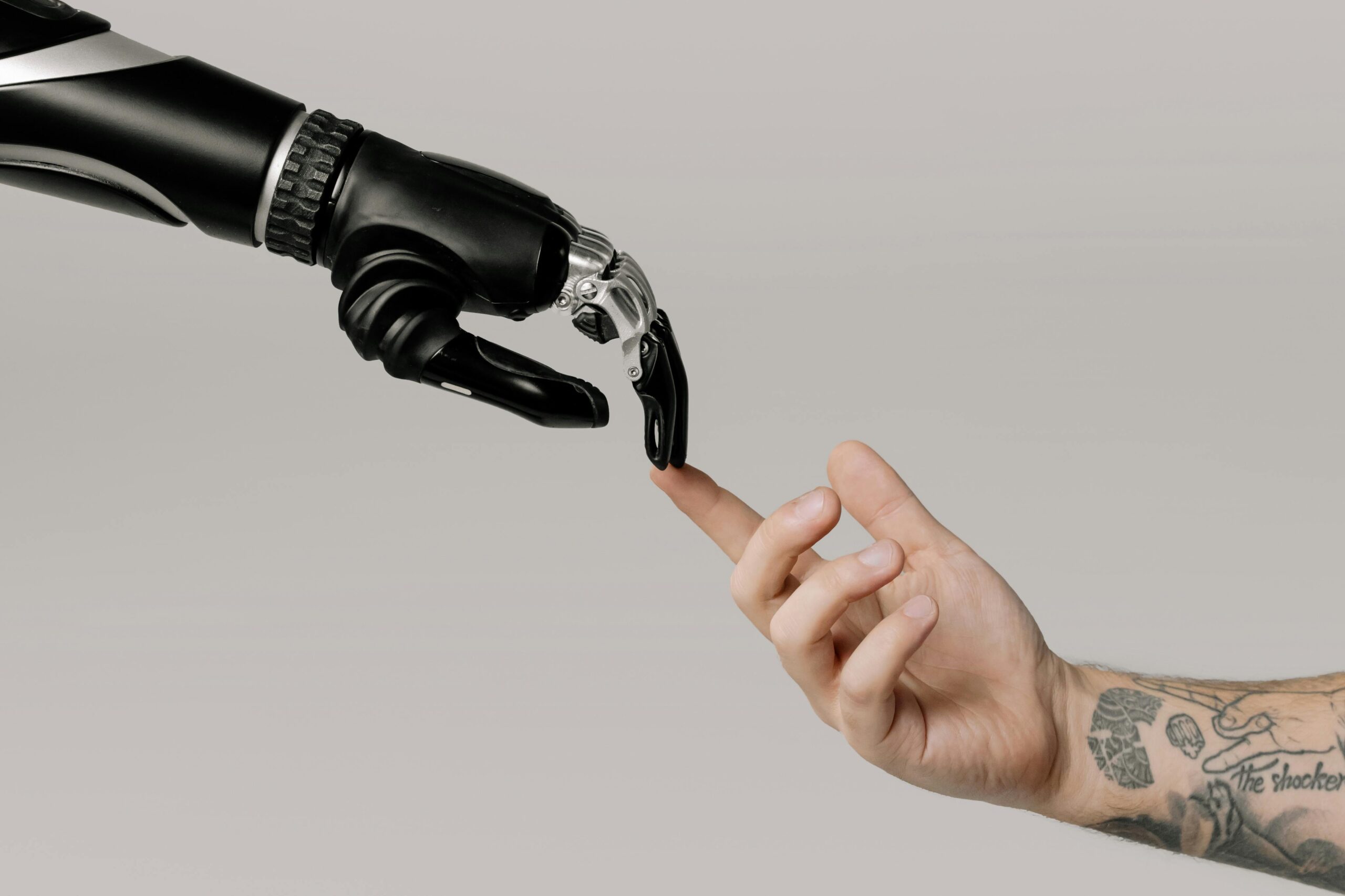
Assistive AI is transforming how millions of people with disabilities navigate their daily lives, breaking down barriers that once seemed insurmountable and creating unprecedented opportunities for independence.

🌟 The Dawn of a New Era in Accessibility
Artificial intelligence has emerged as one of the most powerful tools in the fight for disability inclusion. From voice recognition systems that respond to the slightest whisper to computer vision algorithms that describe the world to those who cannot see it, AI-powered assistive technologies are rewriting what’s possible for people with disabilities.
The global assistive technology market is experiencing explosive growth, with projections estimating it will reach over $31 billion by 2028. This expansion isn’t just about numbers—it represents millions of individuals gaining access to tools that fundamentally improve their quality of life. The convergence of machine learning, natural language processing, and advanced sensors has created a perfect storm of innovation that’s benefiting communities that have historically been underserved by technology.
Breaking Communication Barriers with AI-Powered Solutions
Communication lies at the heart of human connection, yet millions of people face significant challenges in expressing themselves or understanding others. Assistive AI is revolutionizing this landscape in remarkable ways.
Voice Recognition and Speech Synthesis Technologies
For individuals with speech impairments or conditions like ALS, cerebral palsy, or stroke-related communication difficulties, AI-driven speech synthesis offers a voice where there was silence. Modern text-to-speech systems powered by neural networks can generate remarkably natural-sounding speech in multiple languages and accents, allowing users to communicate with unprecedented clarity and emotional nuance.
These systems learn from individual usage patterns, adapting to unique communication styles and frequently used phrases. Some applications can even predict what users want to say based on context, dramatically reducing the time and effort required to construct messages.
Real-Time Translation and Captioning
For the deaf and hard-of-hearing community, AI-powered real-time captioning has been transformative. Applications using advanced speech recognition can transcribe conversations as they happen, whether in one-on-one interactions, classrooms, or large conferences. The accuracy of these systems has improved dramatically, with some achieving over 95% accuracy in ideal conditions.
Sign language recognition represents another frontier. Researchers are developing AI systems capable of recognizing and translating sign language in real-time, creating bridges between deaf and hearing communities without requiring human interpreters for every interaction.
👁️ Computer Vision: AI Eyes for the Visually Impaired
Perhaps nowhere is the impact of assistive AI more profound than in technologies designed for people with visual impairments. Computer vision algorithms have advanced to the point where they can interpret complex visual scenes with remarkable accuracy.
Scene Description and Object Recognition
Modern AI applications can analyze images from smartphone cameras and provide detailed audio descriptions of surroundings. These systems can identify objects, read text, recognize faces, describe colors and spatial relationships, and even detect potential hazards. For someone who is blind, this technology essentially provides a digital companion that describes the visual world in real-time.
These applications can assist with everyday tasks that sighted people take for granted: reading product labels while shopping, identifying currency denominations, determining whether lights are on or off, and navigating unfamiliar environments. The independence this technology provides cannot be overstated.
Navigation and Mobility Assistance
AI-powered navigation systems go far beyond standard GPS directions. They incorporate computer vision to detect obstacles, identify accessible pathways, and provide audio guidance that helps visually impaired users navigate complex environments independently. Some systems can even remember frequently traveled routes and warn users about temporary obstacles like construction zones or parked vehicles blocking sidewalks.
Indoor navigation, which GPS cannot handle effectively, has become possible through AI systems that use smartphone sensors, computer vision, and crowdsourced mapping data to guide users through shopping malls, airports, office buildings, and other large indoor spaces.
🧠 Cognitive Assistance: Supporting Neurodivergent Individuals
Assistive AI isn’t limited to physical disabilities. Some of the most innovative applications support people with cognitive disabilities, learning differences, and neurodevelopmental conditions.
Executive Function Support
For individuals with ADHD, autism spectrum disorder, or traumatic brain injuries affecting executive function, AI assistants can provide crucial support with organization, time management, and task completion. These systems can break complex tasks into manageable steps, provide timely reminders, help prioritize activities, and adapt to individual cognitive patterns.
Unlike rigid traditional reminder systems, AI-powered assistants learn from user behavior and can adjust their prompting strategies based on what works best for each individual. They can recognize when someone is becoming overwhelmed and suggest breaks or simplified approaches.
Learning and Educational Technologies
AI-powered educational platforms are transforming accessibility in learning environments. These systems can adapt content presentation to match individual learning styles, provide alternative explanations when students struggle with concepts, and offer immediate feedback that helps reinforce learning.
For students with dyslexia, AI-powered reading assistance tools can adjust text formatting, highlighting, and spacing to improve readability. Speech-to-text systems allow students with writing difficulties to compose essays and assignments verbally. Meanwhile, text-to-speech capabilities help those with reading challenges access written materials.
💪 Physical Assistance and Robotic Technologies
While many assistive AI applications are software-based, the integration of artificial intelligence with robotics and physical devices is creating powerful new possibilities for people with mobility impairments.
Smart Wheelchairs and Mobility Devices
AI-enhanced wheelchairs can navigate autonomously or semi-autonomously, detecting obstacles, finding optimal routes, and even summoning elevators. Voice control and eye-tracking interfaces allow users with limited hand mobility to operate these devices effectively.
Some advanced systems incorporate predictive algorithms that learn users’ routines and can anticipate destinations, pre-plan optimal routes, and adjust settings based on terrain and environmental conditions.
Prosthetics and Exoskeletons
AI-powered prosthetic limbs represent a quantum leap beyond traditional prosthetics. Using machine learning algorithms, these devices can interpret signals from remaining muscle tissue or neural interfaces to control artificial limbs with increasingly natural movement. The AI learns the user’s intended movements over time, continuously improving responsiveness and precision.
Robotic exoskeletons powered by AI are enabling people with paralysis to stand and walk. These systems use sophisticated algorithms to maintain balance, adapt to different terrains, and coordinate complex movements that restore mobility to users.
📱 Smartphone Integration: Accessibility in Your Pocket
The ubiquity of smartphones has democratized access to assistive AI technologies. Modern mobile operating systems incorporate powerful AI-driven accessibility features that were unimaginable just a decade ago.
Native Accessibility Features
Both iOS and Android now include extensive AI-powered accessibility features: voice control that allows complete device operation without touch, sound recognition that alerts deaf users to important environmental sounds like alarms or doorbells, and background noise separation that helps hearing aid users follow conversations in noisy environments.
These built-in features mean that accessibility tools are available to users without requiring expensive specialized equipment, significantly lowering barriers to access.
Third-Party Application Ecosystem
Beyond native features, thousands of third-party applications leverage smartphone AI capabilities to address specific accessibility needs. From apps that identify colors for users with color blindness to applications that translate visual information into haptic feedback, the diversity of solutions reflects the diverse needs of the disability community.
🏢 Workplace Inclusion Through Assistive AI
Employment rates among people with disabilities have historically lagged behind the general population, but assistive AI is helping level the playing field in professional environments.
Accommodation and Productivity Tools
AI-powered workplace accommodations can be implemented quickly and cost-effectively. Real-time transcription services make meetings accessible to deaf and hard-of-hearing employees. Screen readers with AI-enhanced navigation help blind employees work efficiently with complex software interfaces. Voice control and dictation systems enable workers with mobility impairments to operate computers without traditional input devices.
These technologies benefit everyone, not just employees with disabilities. Transcription services create searchable meeting records. Voice control allows hands-free operation when multitasking. The principle of universal design—creating solutions that work for everyone—is being realized through assistive AI.
Bias Detection and Inclusive Hiring
Interestingly, AI is also being deployed to combat disability discrimination in hiring processes. AI systems can analyze job descriptions for unnecessarily exclusionary language, ensure application systems are accessible to assistive technologies, and help companies identify and remove bias from their recruitment processes.
🌐 Challenges and Ethical Considerations
While the potential of assistive AI is enormous, the field faces significant challenges that must be addressed to ensure equitable access and avoid unintended harm.
The Digital Divide and Access Inequality
Many cutting-edge assistive AI technologies require expensive hardware, high-speed internet connections, or subscription services that place them out of reach for economically disadvantaged individuals. Since people with disabilities face higher rates of poverty and unemployment, this creates a troubling situation where those who could benefit most from assistive AI have the least access to it.
Addressing this requires coordinated efforts from governments, technology companies, and advocacy organizations to ensure affordability and universal access to life-changing assistive technologies.
Privacy and Data Security
Assistive AI systems often require access to sensitive personal information—video feeds from cameras, audio recordings of conversations, location data, health information, and behavioral patterns. People with disabilities deserve the same privacy protections as everyone else, but may face difficult choices between privacy and accessing necessary accommodations.
Developers must implement robust privacy protections, transparent data practices, and user control over personal information. Regulatory frameworks need to balance innovation with protection of vulnerable populations.
AI Bias and Representation
AI systems learn from training data, and if that data doesn’t adequately represent people with disabilities, the resulting systems may perform poorly for the very populations they’re meant to serve. Voice recognition systems trained primarily on non-disabled speech patterns may struggle with speech affected by conditions like cerebral palsy. Computer vision systems trained on standard human movements may fail to recognize people using mobility devices.
Ensuring diverse, representative training data and including people with disabilities in design and testing processes is essential to creating truly effective assistive AI.
🚀 The Road Ahead: Future Innovations
The assistive AI revolution is still in its early stages. Emerging technologies promise even more transformative changes in the years ahead.
Brain-Computer Interfaces
Direct neural interfaces that allow thought-based control of devices are moving from science fiction to reality. These technologies could enable people with severe paralysis to communicate, control their environment, and operate assistive devices using only their thoughts. AI algorithms are essential for interpreting neural signals and translating them into meaningful actions.
Personalized AI Assistants
Future assistive AI will become increasingly personalized, learning individual preferences, anticipating needs, and providing proactive rather than reactive support. These AI companions could serve as universal interfaces to the digital world, translating any application or service into an accessible format tailored to each user’s specific requirements.
Ambient Intelligence and Smart Environments
As AI becomes embedded in our built environment through smart home technology, IoT devices, and ubiquitous sensors, the potential for creating universally accessible spaces increases dramatically. Environments that automatically adapt to each occupant’s accessibility needs—adjusting lighting, providing navigation assistance, enabling voice control of all systems—could become standard rather than exceptional.

💡 Building an Inclusive AI-Powered Future
The transformation that assistive AI is bringing to the lives of people with disabilities represents more than technological achievement—it embodies a fundamental shift toward genuine inclusion and recognition of human potential regardless of physical or cognitive differences.
For this promise to be fully realized, technology development must be guided by principles of universal design, with people with disabilities involved as active participants rather than passive recipients. Accessibility cannot be an afterthought or a niche market; it must be integrated into the core design philosophy of AI systems from their inception.
The economic argument for accessible AI is compelling. People with disabilities represent a market of over one billion globally, with trillions in spending power. Beyond economics, there’s a moral imperative: technology should empower all humans to reach their full potential.
As AI continues to advance, the gap between ability and disability narrows. Technologies that once seemed miraculous are becoming everyday tools. Tasks that required assistance from others can now be accomplished independently. Careers that were inaccessible are opening up. Social connections that were difficult to maintain are being facilitated.
The revolution in assistive AI isn’t just about compensating for disabilities—it’s about recognizing that disability is often a mismatch between human diversity and environmental design. By creating intelligent systems that adapt to human variation rather than requiring humans to adapt to rigid systems, we’re building a world that works better for everyone.
The journey toward full accessibility is far from complete, but the direction is clear and the momentum is building. As AI technology becomes more sophisticated, more affordable, and more widely available, its potential to empower abilities and transform lives will only grow. The future being built by assistive AI is one where disabilities pose fewer barriers, where independence is within reach for more people, and where human potential is limited only by imagination, not by physical or cognitive differences.