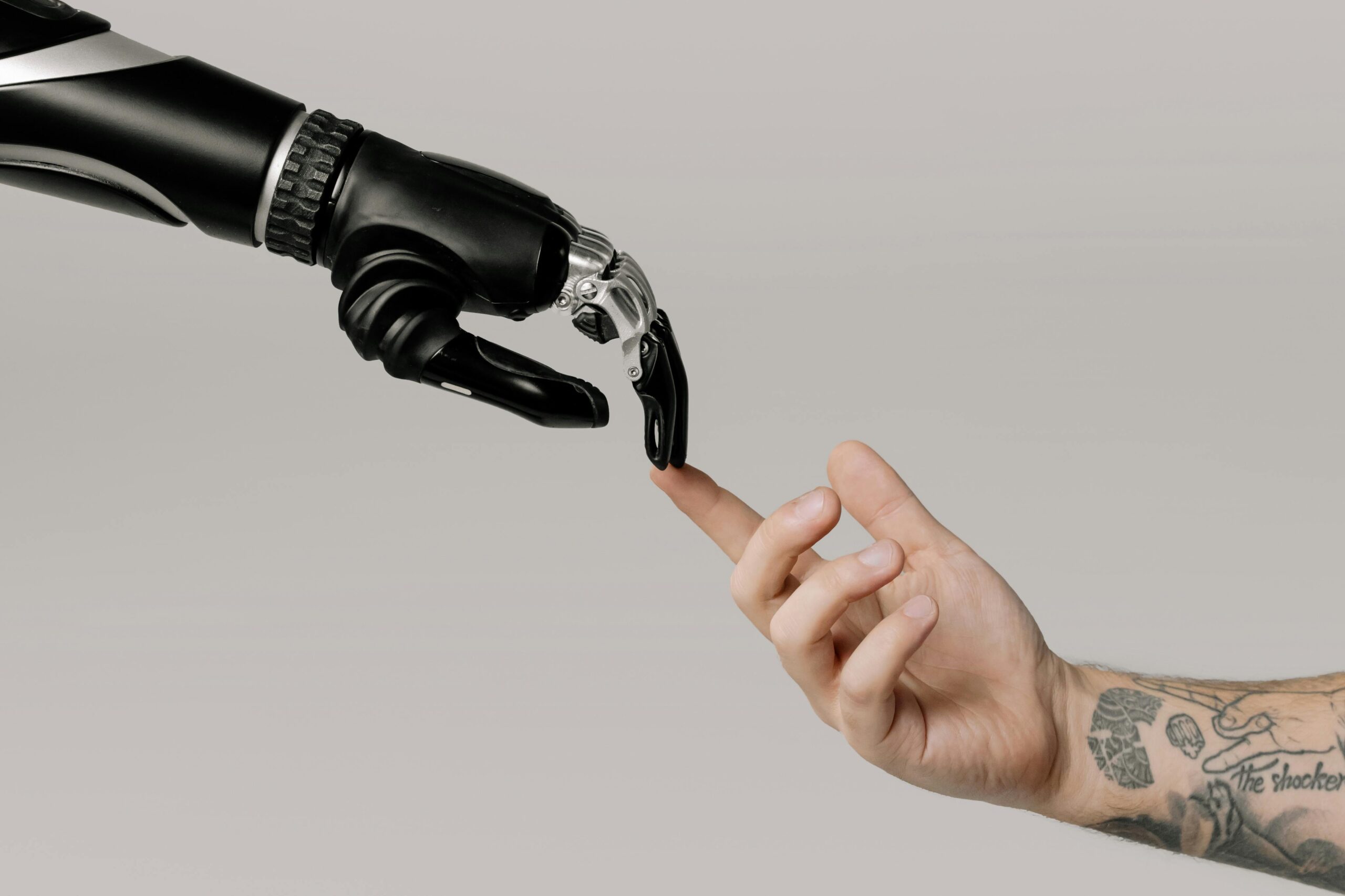
Artificial intelligence is revolutionizing how we understand and develop emotional intelligence, offering unprecedented tools to unlock our full emotional potential in ways previously unimaginable.

The intersection of technology and human emotions might seem paradoxical at first glance. After all, how can algorithms and machine learning systems help us navigate something as deeply personal as our feelings? Yet, as AI continues to evolve, it’s becoming an invaluable ally in helping individuals recognize, understand, and manage their emotions more effectively.
Emotional intelligence—the ability to perceive, use, understand, and manage emotions—has long been recognized as a critical factor in personal and professional success. Research consistently shows that people with higher emotional intelligence tend to have better relationships, more fulfilling careers, and greater overall life satisfaction. Now, AI-powered tools are democratizing access to emotional intelligence development, making it available to anyone with a smartphone or computer.
🧠 The Science Behind Emotional Intelligence and AI
Emotional intelligence comprises five core components: self-awareness, self-regulation, motivation, empathy, and social skills. Traditionally, developing these skills required years of therapy, coaching, or dedicated self-reflection. AI is accelerating this process by providing real-time feedback, pattern recognition, and personalized guidance that adapts to individual needs.
Machine learning algorithms can now analyze speech patterns, facial expressions, text communications, and even physiological data to provide insights into emotional states. These systems don’t replace human intuition but rather enhance it by detecting subtle patterns that might escape our conscious awareness. When you’re stressed, anxious, or experiencing emotional turbulence, AI tools can identify these states before they escalate, offering timely interventions.
Natural language processing has become particularly sophisticated in understanding emotional context. AI can analyze the sentiment behind our words, detecting nuances like sarcasm, frustration, or joy with increasing accuracy. This capability transforms how we receive feedback about our emotional communication, helping us become more aware of how others might perceive our messages.
💬 AI-Powered Emotional Awareness Tools
One of the most significant contributions AI makes to emotional intelligence is enhanced self-awareness. Various applications now use AI to track mood patterns, identify emotional triggers, and provide insights into behavioral tendencies. These digital companions learn from your interactions, creating personalized profiles of your emotional landscape.
Mood tracking applications leverage AI to go beyond simple emotion logging. They correlate your emotional states with activities, sleep patterns, social interactions, and environmental factors. Over time, these systems identify patterns you might never notice independently—like how certain people, places, or situations consistently affect your mood.
Voice analysis technology represents another frontier in AI-assisted emotional awareness. By analyzing vocal characteristics such as pitch, tone, pace, and energy, AI systems can detect emotional states with remarkable accuracy. This technology is particularly valuable for individuals who struggle to identify their own emotions, a condition known as alexithymia.
Real-Time Emotional Feedback Systems
Advanced AI applications now offer real-time emotional feedback during conversations, presentations, or important interactions. These systems analyze your communication patterns and provide gentle nudges when you might be coming across as too aggressive, too passive, or emotionally disconnected. This immediate feedback loop accelerates the learning process, helping you adjust your emotional expression in the moment.
Wearable devices integrated with AI take this concept further by monitoring physiological markers of emotional arousal—heart rate variability, skin conductance, and breathing patterns. When these indicators suggest rising stress or anxiety, the device can prompt mindfulness exercises, breathing techniques, or other coping strategies before emotions become overwhelming.
🎯 Developing Self-Regulation Through AI Assistance
Self-regulation—the ability to manage and redirect disruptive emotions and impulses—is perhaps the most challenging aspect of emotional intelligence to develop. AI excels at providing structured support for this crucial skill through personalized intervention strategies.
Cognitive behavioral therapy (CBT) applications powered by AI offer accessible mental health support. These chatbots engage users in therapeutic conversations, helping them identify cognitive distortions, challenge negative thought patterns, and develop healthier emotional responses. While they don’t replace human therapists, they provide valuable support between sessions or for individuals who lack access to traditional therapy.
AI-driven meditation and mindfulness apps customize practices based on your current emotional state, stress levels, and personal preferences. Rather than offering generic guided meditations, these applications adjust content, duration, and focus areas to match your specific needs in any given moment. This personalization increases engagement and effectiveness, making consistent practice more achievable.
Building Emotional Resilience
AI systems can function as emotional strength training coaches, gradually exposing users to challenging scenarios in controlled, safe environments. Virtual reality applications combined with AI create immersive situations where you can practice emotional regulation without real-world consequences. This simulated practice builds confidence and develops neural pathways that support better emotional responses in actual situations.
Predictive analytics in emotional intelligence apps can anticipate challenging periods based on historical patterns. If the system notices you typically experience increased anxiety on Sunday evenings or during specific seasons, it can proactively suggest coping strategies, schedule self-care activities, or alert your support network.
👥 Enhancing Empathy and Social Skills
Empathy—the ability to understand and share the feelings of others—might seem uniquely human and resistant to technological enhancement. However, AI is proving valuable in developing this crucial emotional intelligence component, particularly for individuals who find social cues challenging to interpret.
AI-powered social skills training applications provide safe spaces to practice emotional recognition and appropriate responses. These platforms use avatars or video scenarios to present various social situations, then analyze your responses and provide feedback on how well you identified emotions and responded empathetically.
For individuals on the autism spectrum or those with social anxiety, AI tools can decode social situations that feel confusing or overwhelming. Smart glasses equipped with AI can identify facial expressions in real-time, providing subtle cues about others’ emotional states. While controversial from a privacy perspective, these technologies offer genuine support for people who struggle with social cognition.
Cross-Cultural Emotional Intelligence
AI systems trained on diverse cultural datasets help users develop cross-cultural emotional intelligence. Emotional expressions and social norms vary significantly across cultures, and what’s considered appropriate emotional expression in one context might be problematic in another. AI applications can provide cultural context for emotional interactions, helping global teams and multicultural individuals navigate these complexities more effectively.
Language learning applications now incorporate emotional intelligence training, teaching not just vocabulary and grammar but also the emotional connotations and appropriate contexts for different expressions. This integrated approach produces more emotionally intelligent communicators who can connect authentically across language barriers.
📊 Measuring Progress in Emotional Development
One of AI’s most valuable contributions to emotional intelligence development is objective measurement. Emotional growth can feel nebulous and difficult to quantify, but AI provides concrete metrics and progress tracking that maintain motivation and demonstrate improvement.
Advanced analytics dashboards visualize emotional patterns over time, showing trends in emotional regulation, stress management, and social interactions. These visualizations make abstract concepts concrete, helping users understand their emotional development journey and identify areas needing additional attention.
AI-powered assessment tools provide regular emotional intelligence evaluations, measuring improvements in various competencies. Unlike static assessments administered once or twice, AI systems continuously evaluate your emotional skills through natural interactions, providing dynamic, evolving profiles of your emotional intelligence.
⚠️ Navigating the Limitations and Ethical Considerations
Despite its impressive capabilities, AI has important limitations when it comes to emotional intelligence. These systems lack genuine emotional experience—they recognize and respond to patterns but don’t actually feel emotions. This distinction matters because true emotional intelligence involves not just recognizing emotions but experiencing and processing them authentically.
Privacy concerns represent another significant consideration. Emotional data is deeply personal, and systems that monitor and analyze our feelings require robust security measures and ethical frameworks. Users must understand how their emotional data is collected, stored, and used, maintaining control over this sensitive information.
The risk of over-reliance on AI tools poses another challenge. While these systems provide valuable support, developing emotional intelligence ultimately requires human connection, real-world practice, and authentic emotional experiences. AI should enhance rather than replace these fundamental aspects of emotional development.
Balancing Technology and Human Connection
The most effective approach combines AI-powered tools with traditional emotional intelligence development methods. Human coaches, therapists, and mentors provide elements that AI cannot replicate—genuine empathy, lived experience, intuitive understanding, and the healing power of authentic human connection. AI works best as a complement to these relationships, not a substitute for them.
Communities and social interactions remain essential for emotional intelligence development. AI can facilitate these connections, helping you understand group dynamics or prepare for difficult conversations, but the actual experience of navigating relationships builds irreplaceable emotional skills.
🚀 The Future of AI and Emotional Intelligence
The convergence of AI and emotional intelligence is still in its early stages, with exciting developments on the horizon. Emotion AI is becoming more sophisticated, with systems that understand context, nuance, and individual differences with increasing accuracy. Future applications may provide even more personalized and effective emotional intelligence training.
Integration across platforms will create comprehensive emotional intelligence ecosystems. Your calendar app might coordinate with your mood tracker to schedule challenging meetings when you’re emotionally resilient, while your email assistant suggests phrasing that better matches your intended emotional tone. These seamless integrations will make emotional intelligence support omnipresent yet unobtrusive.
Brain-computer interfaces represent the cutting edge of this field, potentially allowing direct measurement of emotional states through neural activity. While this technology raises profound ethical questions, it could revolutionize how we understand and develop emotional intelligence, providing unprecedented insights into the neural basis of emotions.
🎓 Practical Steps to Start Your AI-Enhanced Emotional Journey
Beginning your journey with AI-assisted emotional intelligence development doesn’t require extensive technical knowledge or expensive equipment. Start with accessible tools that address your specific emotional intelligence goals, whether that’s better stress management, improved communication, or enhanced empathy.
Experiment with mood tracking applications that use AI to identify patterns in your emotional life. Commit to consistent logging for at least a month to generate enough data for meaningful insights. Review the patterns the AI identifies and reflect on how they align with your self-perception.
Consider AI-powered meditation or mental health apps that provide personalized support. These tools work best with regular engagement, so choose applications that fit naturally into your daily routine. Many offer free trials, allowing you to find the right match before committing financially.
Seek out emotional intelligence training platforms that use AI to provide interactive practice and feedback. These might include public speaking coaches that analyze your emotional expression, negotiation simulators, or social skills training environments. Regular practice in these safe spaces builds confidence for real-world application.

🌟 Transforming Your Emotional Landscape
The integration of AI into emotional intelligence development represents a genuine paradigm shift in personal growth. For the first time in human history, we have access to tools that can objectively monitor our emotional states, identify patterns we’d never notice independently, and provide personalized guidance for emotional development.
This technology democratizes access to resources once available only through expensive coaching or therapy. While it doesn’t replace these valuable human services, it extends their reach and provides continuous support that complements professional guidance. The result is accelerated emotional growth and more accessible pathways to emotional well-being.
Your emotional potential isn’t fixed—it’s a capacity that can be developed, strengthened, and expanded throughout your life. AI provides unprecedented tools for this development, offering insights, feedback, and support that enhance your natural emotional abilities. The key is approaching these tools thoughtfully, maintaining a balance between technological assistance and authentic human experience.
As you explore AI-enhanced emotional intelligence development, remember that the goal isn’t perfection but progress. Emotional intelligence is a journey, not a destination, and every step toward greater self-awareness, better self-regulation, and deeper empathy enriches your life and relationships. With AI as your ally in this journey, you have powerful resources to unlock emotional potential you might not have known you possessed. 🌈